Japanese dealerships may offer limited financing (typically 50–70% LTV) for documented buyers; however, international financing for imported classic vehicles remains limited. Most international buyers finance through specialty lenders offering collector car loans (5–8% interest) after vehicle arrival and registration. Some Japanese brokers coordinate financing through Asian lending networks, though rates exceed domestic options. Cash purchase remains most straightforward and eliminates lender complications.
US Customs duties on classic vehicles average 2.5–5% of declared vehicle value; vehicles imported as vintage/collector classics may qualify for reduced rates or exemptions. California and other states with vehicle import taxes add 7.25–10.25% on top of duties. Budget an additional ¥100,000–¥300,000 ($700–$2,000 USD) in total compliance costs. EU/UK import VAT (17–20%) applies to vehicles imported to those regions and substantially increases total acquisition cost.
Are there financing options available for Datsun 510 import purchases?
Japanese dealerships may offer limited financing (typically 50–70% LTV) for documented buyers; however, international financing for imported classic vehicles remains limited. Most international buyers finance through specialty lenders offering collector car loans (5–8% interest) after vehicle arrival and registration. Some Japanese brokers coordinate financing through Asian lending networks, though rates exceed domestic options. Cash purchase remains most straightforward and eliminates lender complications.
What insurance considerations should I anticipate for an imported

How much should I budget for US customs duties and import taxes?
US Customs duties on classic vehicles average 2.5–5% of declared vehicle value; vehicles imported as vintage/collector classics may qualify for reduced rates or exemptions. California and other states with vehicle import taxes add 7.25–10.25% on top of duties. Budget an additional ¥100,000–¥300,000 ($700–$2,000 USD) in total compliance costs. EU/UK import VAT (17–20%) applies to vehicles imported to those regions and substantially increases total acquisition cost.
Are there financing options available for Datsun 510 import purchases?
Japanese dealerships may offer limited financing (typically 50–70% LTV) for documented buyers; however, international financing for imported classic vehicles remains limited. Most international buyers finance through specialty lenders offering collector car loans (5–8% interest) after vehicle arrival and registration. Some Japanese brokers coordinate financing through Asian lending networks, though rates exceed domestic options. Cash purchase remains most straightforward and eliminates lender complications.
What insurance considerations should I anticipate for an imported

Some US states restrict importation of vehicles with salvage history, while others permit it with inspection verification. Verify your state's regulations before committing purchase funds. Japanese documentation may not detail accident history clearly; professional pre-import inspection helps identify previously repaired damage. Many buyers prefer clean-title originals specifically to avoid post-import registration complications.
How much should I budget for US customs duties and import taxes?
US Customs duties on classic vehicles average 2.5–5% of declared vehicle value; vehicles imported as vintage/collector classics may qualify for reduced rates or exemptions. California and other states with vehicle import taxes add 7.25–10.25% on top of duties. Budget an additional ¥100,000–¥300,000 ($700–$2,000 USD) in total compliance costs. EU/UK import VAT (17–20%) applies to vehicles imported to those regions and substantially increases total acquisition cost.
Are there financing options available for Datsun 510 import purchases?
Japanese dealerships may offer limited financing (typically 50–70% LTV) for documented buyers; however, international financing for imported classic vehicles remains limited. Most international buyers finance through specialty lenders offering collector car loans (5–8% interest) after vehicle arrival and registration. Some Japanese brokers coordinate financing through Asian lending networks, though rates exceed domestic options. Cash purchase remains most straightforward and eliminates lender complications.
What insurance considerations should I anticipate for an imported

Can I import a Datsun 510 with a salvage title or previous accident history?
Some US states restrict importation of vehicles with salvage history, while others permit it with inspection verification. Verify your state's regulations before committing purchase funds. Japanese documentation may not detail accident history clearly; professional pre-import inspection helps identify previously repaired damage. Many buyers prefer clean-title originals specifically to avoid post-import registration complications.
How much should I budget for US customs duties and import taxes?
US Customs duties on classic vehicles average 2.5–5% of declared vehicle value; vehicles imported as vintage/collector classics may qualify for reduced rates or exemptions. California and other states with vehicle import taxes add 7.25–10.25% on top of duties. Budget an additional ¥100,000–¥300,000 ($700–$2,000 USD) in total compliance costs. EU/UK import VAT (17–20%) applies to vehicles imported to those regions and substantially increases total acquisition cost.
Are there financing options available for Datsun 510 import purchases?
Japanese dealerships may offer limited financing (typically 50–70% LTV) for documented buyers; however, international financing for imported classic vehicles remains limited. Most international buyers finance through specialty lenders offering collector car loans (5–8% interest) after vehicle arrival and registration. Some Japanese brokers coordinate financing through Asian lending networks, though rates exceed domestic options. Cash purchase remains most straightforward and eliminates lender complications.
What insurance considerations should I anticipate for an imported

Figure 8–12 weeks total: 2–4 weeks for documentation processing and export permit issuance, 4–6 weeks for container/RoRo shipping from Japan to US West Coast or East Coast (depending on carrier and vessel schedule), and 2–3 weeks for US Customs clearance and final delivery. Rush shipping through air freight compresses this to 3–4 weeks but at substantially higher cost.
Can I import a Datsun 510 with a salvage title or previous accident history?
Some US states restrict importation of vehicles with salvage history, while others permit it with inspection verification. Verify your state's regulations before committing purchase funds. Japanese documentation may not detail accident history clearly; professional pre-import inspection helps identify previously repaired damage. Many buyers prefer clean-title originals specifically to avoid post-import registration complications.
How much should I budget for US customs duties and import taxes?
US Customs duties on classic vehicles average 2.5–5% of declared vehicle value; vehicles imported as vintage/collector classics may qualify for reduced rates or exemptions. California and other states with vehicle import taxes add 7.25–10.25% on top of duties. Budget an additional ¥100,000–¥300,000 ($700–$2,000 USD) in total compliance costs. EU/UK import VAT (17–20%) applies to vehicles imported to those regions and substantially increases total acquisition cost.
Are there financing options available for Datsun 510 import purchases?
Japanese dealerships may offer limited financing (typically 50–70% LTV) for documented buyers; however, international financing for imported classic vehicles remains limited. Most international buyers finance through specialty lenders offering collector car loans (5–8% interest) after vehicle arrival and registration. Some Japanese brokers coordinate financing through Asian lending networks, though rates exceed domestic options. Cash purchase remains most straightforward and eliminates lender complications.
What insurance considerations should I anticipate for an imported

What's the typical timeline from purchase to delivery at a US port?
Figure 8–12 weeks total: 2–4 weeks for documentation processing and export permit issuance, 4–6 weeks for container/RoRo shipping from Japan to US West Coast or East Coast (depending on carrier and vessel schedule), and 2–3 weeks for US Customs clearance and final delivery. Rush shipping through air freight compresses this to 3–4 weeks but at substantially higher cost.
Can I import a Datsun 510 with a salvage title or previous accident history?
Some US states restrict importation of vehicles with salvage history, while others permit it with inspection verification. Verify your state's regulations before committing purchase funds. Japanese documentation may not detail accident history clearly; professional pre-import inspection helps identify previously repaired damage. Many buyers prefer clean-title originals specifically to avoid post-import registration complications.
How much should I budget for US customs duties and import taxes?
US Customs duties on classic vehicles average 2.5–5% of declared vehicle value; vehicles imported as vintage/collector classics may qualify for reduced rates or exemptions. California and other states with vehicle import taxes add 7.25–10.25% on top of duties. Budget an additional ¥100,000–¥300,000 ($700–$2,000 USD) in total compliance costs. EU/UK import VAT (17–20%) applies to vehicles imported to those regions and substantially increases total acquisition cost.
Are there financing options available for Datsun 510 import purchases?
Japanese dealerships may offer limited financing (typically 50–70% LTV) for documented buyers; however, international financing for imported classic vehicles remains limited. Most international buyers finance through specialty lenders offering collector car loans (5–8% interest) after vehicle arrival and registration. Some Japanese brokers coordinate financing through Asian lending networks, though rates exceed domestic options. Cash purchase remains most straightforward and eliminates lender complications.
What insurance considerations should I anticipate for an imported

Frequently Asked Questions About Datsun 510 Import
What's the typical timeline from purchase to delivery at a US port?
Figure 8–12 weeks total: 2–4 weeks for documentation processing and export permit issuance, 4–6 weeks for container/RoRo shipping from Japan to US West Coast or East Coast (depending on carrier and vessel schedule), and 2–3 weeks for US Customs clearance and final delivery. Rush shipping through air freight compresses this to 3–4 weeks but at substantially higher cost.
Can I import a Datsun 510 with a salvage title or previous accident history?
Some US states restrict importation of vehicles with salvage history, while others permit it with inspection verification. Verify your state's regulations before committing purchase funds. Japanese documentation may not detail accident history clearly; professional pre-import inspection helps identify previously repaired damage. Many buyers prefer clean-title originals specifically to avoid post-import registration complications.
How much should I budget for US customs duties and import taxes?
US Customs duties on classic vehicles average 2.5–5% of declared vehicle value; vehicles imported as vintage/collector classics may qualify for reduced rates or exemptions. California and other states with vehicle import taxes add 7.25–10.25% on top of duties. Budget an additional ¥100,000–¥300,000 ($700–$2,000 USD) in total compliance costs. EU/UK import VAT (17–20%) applies to vehicles imported to those regions and substantially increases total acquisition cost.
Are there financing options available for Datsun 510 import purchases?
Japanese dealerships may offer limited financing (typically 50–70% LTV) for documented buyers; however, international financing for imported classic vehicles remains limited. Most international buyers finance through specialty lenders offering collector car loans (5–8% interest) after vehicle arrival and registration. Some Japanese brokers coordinate financing through Asian lending networks, though rates exceed domestic options. Cash purchase remains most straightforward and eliminates lender complications.
What insurance considerations should I anticipate for an imported

Frequently Asked Questions About Datsun 510 Import
What's the typical timeline from purchase to delivery at a US port?
Figure 8–12 weeks total: 2–4 weeks for documentation processing and export permit issuance, 4–6 weeks for container/RoRo shipping from Japan to US West Coast or East Coast (depending on carrier and vessel schedule), and 2–3 weeks for US Customs clearance and final delivery. Rush shipping through air freight compresses this to 3–4 weeks but at substantially higher cost.
Can I import a Datsun 510 with a salvage title or previous accident history?
Some US states restrict importation of vehicles with salvage history, while others permit it with inspection verification. Verify your state's regulations before committing purchase funds. Japanese documentation may not detail accident history clearly; professional pre-import inspection helps identify previously repaired damage. Many buyers prefer clean-title originals specifically to avoid post-import registration complications.
How much should I budget for US customs duties and import taxes?
US Customs duties on classic vehicles average 2.5–5% of declared vehicle value; vehicles imported as vintage/collector classics may qualify for reduced rates or exemptions. California and other states with vehicle import taxes add 7.25–10.25% on top of duties. Budget an additional ¥100,000–¥300,000 ($700–$2,000 USD) in total compliance costs. EU/UK import VAT (17–20%) applies to vehicles imported to those regions and substantially increases total acquisition cost.
Are there financing options available for Datsun 510 import purchases?
Japanese dealerships may offer limited financing (typically 50–70% LTV) for documented buyers; however, international financing for imported classic vehicles remains limited. Most international buyers finance through specialty lenders offering collector car loans (5–8% interest) after vehicle arrival and registration. Some Japanese brokers coordinate financing through Asian lending networks, though rates exceed domestic options. Cash purchase remains most straightforward and eliminates lender complications.
What insurance considerations should I anticipate for an imported

Modern Modifications and Performance Upgrades
Many available 510s feature modern upgrades: independent rear suspension (IRS) swaps, turbocharged L-series engines (adding 250–350 HP), five-speed transmissions, modern braking systems, and updated electrical systems. These modifications create excellent drivers and drift cars but diminish collector value by 20–40% compared to documented originals. Budget ¥2,200,000–¥3,500,000 ($15,000–$23,500 USD) for quality modified examples with professional fabrication documentation. If your primary motivation is acquisition of a reliable, engaging classic for active use, modified examples often represent superior value. If collectibility and originality appreciation matter, invest in documented original or high-quality restoration vehicles.
Experience These JDM Legends in Person
Before you buy, why not drive your dream JDM car through the streets of Tokyo? Samurai Car Japan offers exclusive JDM Night Tours where you can get behind the wheel of R34 GT-Rs, RX-7s, Supras, and more.
See these cars up close, feel their power, and make an informed buying decision. Many of our tour guests end up purchasing their dream JDM car after experiencing it firsthand!
Frequently Asked Questions About Datsun 510 Import
What's the typical timeline from purchase to delivery at a US port?
Figure 8–12 weeks total: 2–4 weeks for documentation processing and export permit issuance, 4–6 weeks for container/RoRo shipping from Japan to US West Coast or East Coast (depending on carrier and vessel schedule), and 2–3 weeks for US Customs clearance and final delivery. Rush shipping through air freight compresses this to 3–4 weeks but at substantially higher cost.
Can I import a Datsun 510 with a salvage title or previous accident history?
Some US states restrict importation of vehicles with salvage history, while others permit it with inspection verification. Verify your state's regulations before committing purchase funds. Japanese documentation may not detail accident history clearly; professional pre-import inspection helps identify previously repaired damage. Many buyers prefer clean-title originals specifically to avoid post-import registration complications.
How much should I budget for US customs duties and import taxes?
US Customs duties on classic vehicles average 2.5–5% of declared vehicle value; vehicles imported as vintage/collector classics may qualify for reduced rates or exemptions. California and other states with vehicle import taxes add 7.25–10.25% on top of duties. Budget an additional ¥100,000–¥300,000 ($700–$2,000 USD) in total compliance costs. EU/UK import VAT (17–20%) applies to vehicles imported to those regions and substantially increases total acquisition cost.
Are there financing options available for Datsun 510 import purchases?
Japanese dealerships may offer limited financing (typically 50–70% LTV) for documented buyers; however, international financing for imported classic vehicles remains limited. Most international buyers finance through specialty lenders offering collector car loans (5–8% interest) after vehicle arrival and registration. Some Japanese brokers coordinate financing through Asian lending networks, though rates exceed domestic options. Cash purchase remains most straightforward and eliminates lender complications.
What insurance considerations should I anticipate for an imported

- Original paint codes visible on door jamb or under hood trim
- Engine block casting dates matching year of manufacture (within 6 months)
- Original interior fabrics and trim levels consistent with production records
- Matching chassis and engine serial numbers documented in factory records
- Original brake system configurations (no modern conversions)
Modern Modifications and Performance Upgrades
Many available 510s feature modern upgrades: independent rear suspension (IRS) swaps, turbocharged L-series engines (adding 250–350 HP), five-speed transmissions, modern braking systems, and updated electrical systems. These modifications create excellent drivers and drift cars but diminish collector value by 20–40% compared to documented originals. Budget ¥2,200,000–¥3,500,000 ($15,000–$23,500 USD) for quality modified examples with professional fabrication documentation. If your primary motivation is acquisition of a reliable, engaging classic for active use, modified examples often represent superior value. If collectibility and originality appreciation matter, invest in documented original or high-quality restoration vehicles.
Experience These JDM Legends in Person
Before you buy, why not drive your dream JDM car through the streets of Tokyo? Samurai Car Japan offers exclusive JDM Night Tours where you can get behind the wheel of R34 GT-Rs, RX-7s, Supras, and more.
See these cars up close, feel their power, and make an informed buying decision. Many of our tour guests end up purchasing their dream JDM car after experiencing it firsthand!
Frequently Asked Questions About Datsun 510 Import
What's the typical timeline from purchase to delivery at a US port?
Figure 8–12 weeks total: 2–4 weeks for documentation processing and export permit issuance, 4–6 weeks for container/RoRo shipping from Japan to US West Coast or East Coast (depending on carrier and vessel schedule), and 2–3 weeks for US Customs clearance and final delivery. Rush shipping through air freight compresses this to 3–4 weeks but at substantially higher cost.
Can I import a Datsun 510 with a salvage title or previous accident history?
Some US states restrict importation of vehicles with salvage history, while others permit it with inspection verification. Verify your state's regulations before committing purchase funds. Japanese documentation may not detail accident history clearly; professional pre-import inspection helps identify previously repaired damage. Many buyers prefer clean-title originals specifically to avoid post-import registration complications.
How much should I budget for US customs duties and import taxes?
US Customs duties on classic vehicles average 2.5–5% of declared vehicle value; vehicles imported as vintage/collector classics may qualify for reduced rates or exemptions. California and other states with vehicle import taxes add 7.25–10.25% on top of duties. Budget an additional ¥100,000–¥300,000 ($700–$2,000 USD) in total compliance costs. EU/UK import VAT (17–20%) applies to vehicles imported to those regions and substantially increases total acquisition cost.
Are there financing options available for Datsun 510 import purchases?
Japanese dealerships may offer limited financing (typically 50–70% LTV) for documented buyers; however, international financing for imported classic vehicles remains limited. Most international buyers finance through specialty lenders offering collector car loans (5–8% interest) after vehicle arrival and registration. Some Japanese brokers coordinate financing through Asian lending networks, though rates exceed domestic options. Cash purchase remains most straightforward and eliminates lender complications.
What insurance considerations should I anticipate for an imported

Identifying Original Vehicles
- Original paint codes visible on door jamb or under hood trim
- Engine block casting dates matching year of manufacture (within 6 months)
- Original interior fabrics and trim levels consistent with production records
- Matching chassis and engine serial numbers documented in factory records
- Original brake system configurations (no modern conversions)
Modern Modifications and Performance Upgrades
Many available 510s feature modern upgrades: independent rear suspension (IRS) swaps, turbocharged L-series engines (adding 250–350 HP), five-speed transmissions, modern braking systems, and updated electrical systems. These modifications create excellent drivers and drift cars but diminish collector value by 20–40% compared to documented originals. Budget ¥2,200,000–¥3,500,000 ($15,000–$23,500 USD) for quality modified examples with professional fabrication documentation. If your primary motivation is acquisition of a reliable, engaging classic for active use, modified examples often represent superior value. If collectibility and originality appreciation matter, invest in documented original or high-quality restoration vehicles.
Experience These JDM Legends in Person
Before you buy, why not drive your dream JDM car through the streets of Tokyo? Samurai Car Japan offers exclusive JDM Night Tours where you can get behind the wheel of R34 GT-Rs, RX-7s, Supras, and more.
See these cars up close, feel their power, and make an informed buying decision. Many of our tour guests end up purchasing their dream JDM car after experiencing it firsthand!
Frequently Asked Questions About Datsun 510 Import
What's the typical timeline from purchase to delivery at a US port?
Figure 8–12 weeks total: 2–4 weeks for documentation processing and export permit issuance, 4–6 weeks for container/RoRo shipping from Japan to US West Coast or East Coast (depending on carrier and vessel schedule), and 2–3 weeks for US Customs clearance and final delivery. Rush shipping through air freight compresses this to 3–4 weeks but at substantially higher cost.
Can I import a Datsun 510 with a salvage title or previous accident history?
Some US states restrict importation of vehicles with salvage history, while others permit it with inspection verification. Verify your state's regulations before committing purchase funds. Japanese documentation may not detail accident history clearly; professional pre-import inspection helps identify previously repaired damage. Many buyers prefer clean-title originals specifically to avoid post-import registration complications.
How much should I budget for US customs duties and import taxes?
US Customs duties on classic vehicles average 2.5–5% of declared vehicle value; vehicles imported as vintage/collector classics may qualify for reduced rates or exemptions. California and other states with vehicle import taxes add 7.25–10.25% on top of duties. Budget an additional ¥100,000–¥300,000 ($700–$2,000 USD) in total compliance costs. EU/UK import VAT (17–20%) applies to vehicles imported to those regions and substantially increases total acquisition cost.
Are there financing options available for Datsun 510 import purchases?
Japanese dealerships may offer limited financing (typically 50–70% LTV) for documented buyers; however, international financing for imported classic vehicles remains limited. Most international buyers finance through specialty lenders offering collector car loans (5–8% interest) after vehicle arrival and registration. Some Japanese brokers coordinate financing through Asian lending networks, though rates exceed domestic options. Cash purchase remains most straightforward and eliminates lender complications.
What insurance considerations should I anticipate for an imported

The modern Datsun 510 for sale market includes completely stock originals, modern restorations attempting period correctness, and heavily modified drift builds. Determining which category a vehicle falls into affects not only aesthetic enjoyment but also long-term value retention and insurance implications.
Identifying Original Vehicles
- Original paint codes visible on door jamb or under hood trim
- Engine block casting dates matching year of manufacture (within 6 months)
- Original interior fabrics and trim levels consistent with production records
- Matching chassis and engine serial numbers documented in factory records
- Original brake system configurations (no modern conversions)
Modern Modifications and Performance Upgrades
Many available 510s feature modern upgrades: independent rear suspension (IRS) swaps, turbocharged L-series engines (adding 250–350 HP), five-speed transmissions, modern braking systems, and updated electrical systems. These modifications create excellent drivers and drift cars but diminish collector value by 20–40% compared to documented originals. Budget ¥2,200,000–¥3,500,000 ($15,000–$23,500 USD) for quality modified examples with professional fabrication documentation. If your primary motivation is acquisition of a reliable, engaging classic for active use, modified examples often represent superior value. If collectibility and originality appreciation matter, invest in documented original or high-quality restoration vehicles.
Experience These JDM Legends in Person
Before you buy, why not drive your dream JDM car through the streets of Tokyo? Samurai Car Japan offers exclusive JDM Night Tours where you can get behind the wheel of R34 GT-Rs, RX-7s, Supras, and more.
See these cars up close, feel their power, and make an informed buying decision. Many of our tour guests end up purchasing their dream JDM car after experiencing it firsthand!
Frequently Asked Questions About Datsun 510 Import
What's the typical timeline from purchase to delivery at a US port?
Figure 8–12 weeks total: 2–4 weeks for documentation processing and export permit issuance, 4–6 weeks for container/RoRo shipping from Japan to US West Coast or East Coast (depending on carrier and vessel schedule), and 2–3 weeks for US Customs clearance and final delivery. Rush shipping through air freight compresses this to 3–4 weeks but at substantially higher cost.
Can I import a Datsun 510 with a salvage title or previous accident history?
Some US states restrict importation of vehicles with salvage history, while others permit it with inspection verification. Verify your state's regulations before committing purchase funds. Japanese documentation may not detail accident history clearly; professional pre-import inspection helps identify previously repaired damage. Many buyers prefer clean-title originals specifically to avoid post-import registration complications.
How much should I budget for US customs duties and import taxes?
US Customs duties on classic vehicles average 2.5–5% of declared vehicle value; vehicles imported as vintage/collector classics may qualify for reduced rates or exemptions. California and other states with vehicle import taxes add 7.25–10.25% on top of duties. Budget an additional ¥100,000–¥300,000 ($700–$2,000 USD) in total compliance costs. EU/UK import VAT (17–20%) applies to vehicles imported to those regions and substantially increases total acquisition cost.
Are there financing options available for Datsun 510 import purchases?
Japanese dealerships may offer limited financing (typically 50–70% LTV) for documented buyers; however, international financing for imported classic vehicles remains limited. Most international buyers finance through specialty lenders offering collector car loans (5–8% interest) after vehicle arrival and registration. Some Japanese brokers coordinate financing through Asian lending networks, though rates exceed domestic options. Cash purchase remains most straightforward and eliminates lender complications.
What insurance considerations should I anticipate for an imported

Authenticity Assessment: Original vs. Modified 510s
The modern Datsun 510 for sale market includes completely stock originals, modern restorations attempting period correctness, and heavily modified drift builds. Determining which category a vehicle falls into affects not only aesthetic enjoyment but also long-term value retention and insurance implications.
Identifying Original Vehicles
- Original paint codes visible on door jamb or under hood trim
- Engine block casting dates matching year of manufacture (within 6 months)
- Original interior fabrics and trim levels consistent with production records
- Matching chassis and engine serial numbers documented in factory records
- Original brake system configurations (no modern conversions)
Modern Modifications and Performance Upgrades
Many available 510s feature modern upgrades: independent rear suspension (IRS) swaps, turbocharged L-series engines (adding 250–350 HP), five-speed transmissions, modern braking systems, and updated electrical systems. These modifications create excellent drivers and drift cars but diminish collector value by 20–40% compared to documented originals. Budget ¥2,200,000–¥3,500,000 ($15,000–$23,500 USD) for quality modified examples with professional fabrication documentation. If your primary motivation is acquisition of a reliable, engaging classic for active use, modified examples often represent superior value. If collectibility and originality appreciation matter, invest in documented original or high-quality restoration vehicles.
Experience These JDM Legends in Person
Before you buy, why not drive your dream JDM car through the streets of Tokyo? Samurai Car Japan offers exclusive JDM Night Tours where you can get behind the wheel of R34 GT-Rs, RX-7s, Supras, and more.
See these cars up close, feel their power, and make an informed buying decision. Many of our tour guests end up purchasing their dream JDM car after experiencing it firsthand!
Frequently Asked Questions About Datsun 510 Import
What's the typical timeline from purchase to delivery at a US port?
Figure 8–12 weeks total: 2–4 weeks for documentation processing and export permit issuance, 4–6 weeks for container/RoRo shipping from Japan to US West Coast or East Coast (depending on carrier and vessel schedule), and 2–3 weeks for US Customs clearance and final delivery. Rush shipping through air freight compresses this to 3–4 weeks but at substantially higher cost.
Can I import a Datsun 510 with a salvage title or previous accident history?
Some US states restrict importation of vehicles with salvage history, while others permit it with inspection verification. Verify your state's regulations before committing purchase funds. Japanese documentation may not detail accident history clearly; professional pre-import inspection helps identify previously repaired damage. Many buyers prefer clean-title originals specifically to avoid post-import registration complications.
How much should I budget for US customs duties and import taxes?
US Customs duties on classic vehicles average 2.5–5% of declared vehicle value; vehicles imported as vintage/collector classics may qualify for reduced rates or exemptions. California and other states with vehicle import taxes add 7.25–10.25% on top of duties. Budget an additional ¥100,000–¥300,000 ($700–$2,000 USD) in total compliance costs. EU/UK import VAT (17–20%) applies to vehicles imported to those regions and substantially increases total acquisition cost.
Are there financing options available for Datsun 510 import purchases?
Japanese dealerships may offer limited financing (typically 50–70% LTV) for documented buyers; however, international financing for imported classic vehicles remains limited. Most international buyers finance through specialty lenders offering collector car loans (5–8% interest) after vehicle arrival and registration. Some Japanese brokers coordinate financing through Asian lending networks, though rates exceed domestic options. Cash purchase remains most straightforward and eliminates lender complications.
What insurance considerations should I anticipate for an imported

Australia and New Zealand: Classic vehicle exemptions apply to vehicles 25+ years old; compliance certification and inspection requirements are substantial. Budget additional ¥200,000–¥400,000 ($1,350–$2,700 USD) for local compliance.
Authenticity Assessment: Original vs. Modified 510s
The modern Datsun 510 for sale market includes completely stock originals, modern restorations attempting period correctness, and heavily modified drift builds. Determining which category a vehicle falls into affects not only aesthetic enjoyment but also long-term value retention and insurance implications.
Identifying Original Vehicles
- Original paint codes visible on door jamb or under hood trim
- Engine block casting dates matching year of manufacture (within 6 months)
- Original interior fabrics and trim levels consistent with production records
- Matching chassis and engine serial numbers documented in factory records
- Original brake system configurations (no modern conversions)
Modern Modifications and Performance Upgrades
Many available 510s feature modern upgrades: independent rear suspension (IRS) swaps, turbocharged L-series engines (adding 250–350 HP), five-speed transmissions, modern braking systems, and updated electrical systems. These modifications create excellent drivers and drift cars but diminish collector value by 20–40% compared to documented originals. Budget ¥2,200,000–¥3,500,000 ($15,000–$23,500 USD) for quality modified examples with professional fabrication documentation. If your primary motivation is acquisition of a reliable, engaging classic for active use, modified examples often represent superior value. If collectibility and originality appreciation matter, invest in documented original or high-quality restoration vehicles.
Experience These JDM Legends in Person
Before you buy, why not drive your dream JDM car through the streets of Tokyo? Samurai Car Japan offers exclusive JDM Night Tours where you can get behind the wheel of R34 GT-Rs, RX-7s, Supras, and more.
See these cars up close, feel their power, and make an informed buying decision. Many of our tour guests end up purchasing their dream JDM car after experiencing it firsthand!
Frequently Asked Questions About Datsun 510 Import
What's the typical timeline from purchase to delivery at a US port?
Figure 8–12 weeks total: 2–4 weeks for documentation processing and export permit issuance, 4–6 weeks for container/RoRo shipping from Japan to US West Coast or East Coast (depending on carrier and vessel schedule), and 2–3 weeks for US Customs clearance and final delivery. Rush shipping through air freight compresses this to 3–4 weeks but at substantially higher cost.
Can I import a Datsun 510 with a salvage title or previous accident history?
Some US states restrict importation of vehicles with salvage history, while others permit it with inspection verification. Verify your state's regulations before committing purchase funds. Japanese documentation may not detail accident history clearly; professional pre-import inspection helps identify previously repaired damage. Many buyers prefer clean-title originals specifically to avoid post-import registration complications.
How much should I budget for US customs duties and import taxes?
US Customs duties on classic vehicles average 2.5–5% of declared vehicle value; vehicles imported as vintage/collector classics may qualify for reduced rates or exemptions. California and other states with vehicle import taxes add 7.25–10.25% on top of duties. Budget an additional ¥100,000–¥300,000 ($700–$2,000 USD) in total compliance costs. EU/UK import VAT (17–20%) applies to vehicles imported to those regions and substantially increases total acquisition cost.
Are there financing options available for Datsun 510 import purchases?
Japanese dealerships may offer limited financing (typically 50–70% LTV) for documented buyers; however, international financing for imported classic vehicles remains limited. Most international buyers finance through specialty lenders offering collector car loans (5–8% interest) after vehicle arrival and registration. Some Japanese brokers coordinate financing through Asian lending networks, though rates exceed domestic options. Cash purchase remains most straightforward and eliminates lender complications.
What insurance considerations should I anticipate for an imported

United Kingdom and EU: Pre-1975 classic vehicles may qualify for vintage/historic vehicle exemptions, though regulations vary by nation. Post-importation registration requires Right-Hand Drive conversion considerations for LHD Japanese vehicles.
Australia and New Zealand: Classic vehicle exemptions apply to vehicles 25+ years old; compliance certification and inspection requirements are substantial. Budget additional ¥200,000–¥400,000 ($1,350–$2,700 USD) for local compliance.
Authenticity Assessment: Original vs. Modified 510s
The modern Datsun 510 for sale market includes completely stock originals, modern restorations attempting period correctness, and heavily modified drift builds. Determining which category a vehicle falls into affects not only aesthetic enjoyment but also long-term value retention and insurance implications.
Identifying Original Vehicles
- Original paint codes visible on door jamb or under hood trim
- Engine block casting dates matching year of manufacture (within 6 months)
- Original interior fabrics and trim levels consistent with production records
- Matching chassis and engine serial numbers documented in factory records
- Original brake system configurations (no modern conversions)
Modern Modifications and Performance Upgrades
Many available 510s feature modern upgrades: independent rear suspension (IRS) swaps, turbocharged L-series engines (adding 250–350 HP), five-speed transmissions, modern braking systems, and updated electrical systems. These modifications create excellent drivers and drift cars but diminish collector value by 20–40% compared to documented originals. Budget ¥2,200,000–¥3,500,000 ($15,000–$23,500 USD) for quality modified examples with professional fabrication documentation. If your primary motivation is acquisition of a reliable, engaging classic for active use, modified examples often represent superior value. If collectibility and originality appreciation matter, invest in documented original or high-quality restoration vehicles.
Experience These JDM Legends in Person
Before you buy, why not drive your dream JDM car through the streets of Tokyo? Samurai Car Japan offers exclusive JDM Night Tours where you can get behind the wheel of R34 GT-Rs, RX-7s, Supras, and more.
See these cars up close, feel their power, and make an informed buying decision. Many of our tour guests end up purchasing their dream JDM car after experiencing it firsthand!
Frequently Asked Questions About Datsun 510 Import
What's the typical timeline from purchase to delivery at a US port?
Figure 8–12 weeks total: 2–4 weeks for documentation processing and export permit issuance, 4–6 weeks for container/RoRo shipping from Japan to US West Coast or East Coast (depending on carrier and vessel schedule), and 2–3 weeks for US Customs clearance and final delivery. Rush shipping through air freight compresses this to 3–4 weeks but at substantially higher cost.
Can I import a Datsun 510 with a salvage title or previous accident history?
Some US states restrict importation of vehicles with salvage history, while others permit it with inspection verification. Verify your state's regulations before committing purchase funds. Japanese documentation may not detail accident history clearly; professional pre-import inspection helps identify previously repaired damage. Many buyers prefer clean-title originals specifically to avoid post-import registration complications.
How much should I budget for US customs duties and import taxes?
US Customs duties on classic vehicles average 2.5–5% of declared vehicle value; vehicles imported as vintage/collector classics may qualify for reduced rates or exemptions. California and other states with vehicle import taxes add 7.25–10.25% on top of duties. Budget an additional ¥100,000–¥300,000 ($700–$2,000 USD) in total compliance costs. EU/UK import VAT (17–20%) applies to vehicles imported to those regions and substantially increases total acquisition cost.
Are there financing options available for Datsun 510 import purchases?
Japanese dealerships may offer limited financing (typically 50–70% LTV) for documented buyers; however, international financing for imported classic vehicles remains limited. Most international buyers finance through specialty lenders offering collector car loans (5–8% interest) after vehicle arrival and registration. Some Japanese brokers coordinate financing through Asian lending networks, though rates exceed domestic options. Cash purchase remains most straightforward and eliminates lender complications.
What insurance considerations should I anticipate for an imported

United States (EPA 25-Year Rule): Vehicles manufactured before 1998 are exempt from EPA emissions requirements, allowing legal importation. Some states have additional DOT requirements; verify with state DMV before shipping. Imported vehicles require VIN verification by local authorities.
United Kingdom and EU: Pre-1975 classic vehicles may qualify for vintage/historic vehicle exemptions, though regulations vary by nation. Post-importation registration requires Right-Hand Drive conversion considerations for LHD Japanese vehicles.
Australia and New Zealand: Classic vehicle exemptions apply to vehicles 25+ years old; compliance certification and inspection requirements are substantial. Budget additional ¥200,000–¥400,000 ($1,350–$2,700 USD) for local compliance.
Authenticity Assessment: Original vs. Modified 510s
The modern Datsun 510 for sale market includes completely stock originals, modern restorations attempting period correctness, and heavily modified drift builds. Determining which category a vehicle falls into affects not only aesthetic enjoyment but also long-term value retention and insurance implications.
Identifying Original Vehicles
- Original paint codes visible on door jamb or under hood trim
- Engine block casting dates matching year of manufacture (within 6 months)
- Original interior fabrics and trim levels consistent with production records
- Matching chassis and engine serial numbers documented in factory records
- Original brake system configurations (no modern conversions)
Modern Modifications and Performance Upgrades
Many available 510s feature modern upgrades: independent rear suspension (IRS) swaps, turbocharged L-series engines (adding 250–350 HP), five-speed transmissions, modern braking systems, and updated electrical systems. These modifications create excellent drivers and drift cars but diminish collector value by 20–40% compared to documented originals. Budget ¥2,200,000–¥3,500,000 ($15,000–$23,500 USD) for quality modified examples with professional fabrication documentation. If your primary motivation is acquisition of a reliable, engaging classic for active use, modified examples often represent superior value. If collectibility and originality appreciation matter, invest in documented original or high-quality restoration vehicles.
Experience These JDM Legends in Person
Before you buy, why not drive your dream JDM car through the streets of Tokyo? Samurai Car Japan offers exclusive JDM Night Tours where you can get behind the wheel of R34 GT-Rs, RX-7s, Supras, and more.
See these cars up close, feel their power, and make an informed buying decision. Many of our tour guests end up purchasing their dream JDM car after experiencing it firsthand!
Frequently Asked Questions About Datsun 510 Import
What's the typical timeline from purchase to delivery at a US port?
Figure 8–12 weeks total: 2–4 weeks for documentation processing and export permit issuance, 4–6 weeks for container/RoRo shipping from Japan to US West Coast or East Coast (depending on carrier and vessel schedule), and 2–3 weeks for US Customs clearance and final delivery. Rush shipping through air freight compresses this to 3–4 weeks but at substantially higher cost.
Can I import a Datsun 510 with a salvage title or previous accident history?
Some US states restrict importation of vehicles with salvage history, while others permit it with inspection verification. Verify your state's regulations before committing purchase funds. Japanese documentation may not detail accident history clearly; professional pre-import inspection helps identify previously repaired damage. Many buyers prefer clean-title originals specifically to avoid post-import registration complications.
How much should I budget for US customs duties and import taxes?
US Customs duties on classic vehicles average 2.5–5% of declared vehicle value; vehicles imported as vintage/collector classics may qualify for reduced rates or exemptions. California and other states with vehicle import taxes add 7.25–10.25% on top of duties. Budget an additional ¥100,000–¥300,000 ($700–$2,000 USD) in total compliance costs. EU/UK import VAT (17–20%) applies to vehicles imported to those regions and substantially increases total acquisition cost.
Are there financing options available for Datsun 510 import purchases?
Japanese dealerships may offer limited financing (typically 50–70% LTV) for documented buyers; however, international financing for imported classic vehicles remains limited. Most international buyers finance through specialty lenders offering collector car loans (5–8% interest) after vehicle arrival and registration. Some Japanese brokers coordinate financing through Asian lending networks, though rates exceed domestic options. Cash purchase remains most straightforward and eliminates lender complications.
What insurance considerations should I anticipate for an imported

Destination Country Compliance
United States (EPA 25-Year Rule): Vehicles manufactured before 1998 are exempt from EPA emissions requirements, allowing legal importation. Some states have additional DOT requirements; verify with state DMV before shipping. Imported vehicles require VIN verification by local authorities.
United Kingdom and EU: Pre-1975 classic vehicles may qualify for vintage/historic vehicle exemptions, though regulations vary by nation. Post-importation registration requires Right-Hand Drive conversion considerations for LHD Japanese vehicles.
Australia and New Zealand: Classic vehicle exemptions apply to vehicles 25+ years old; compliance certification and inspection requirements are substantial. Budget additional ¥200,000–¥400,000 ($1,350–$2,700 USD) for local compliance.
Authenticity Assessment: Original vs. Modified 510s
The modern Datsun 510 for sale market includes completely stock originals, modern restorations attempting period correctness, and heavily modified drift builds. Determining which category a vehicle falls into affects not only aesthetic enjoyment but also long-term value retention and insurance implications.
Identifying Original Vehicles
- Original paint codes visible on door jamb or under hood trim
- Engine block casting dates matching year of manufacture (within 6 months)
- Original interior fabrics and trim levels consistent with production records
- Matching chassis and engine serial numbers documented in factory records
- Original brake system configurations (no modern conversions)
Modern Modifications and Performance Upgrades
Many available 510s feature modern upgrades: independent rear suspension (IRS) swaps, turbocharged L-series engines (adding 250–350 HP), five-speed transmissions, modern braking systems, and updated electrical systems. These modifications create excellent drivers and drift cars but diminish collector value by 20–40% compared to documented originals. Budget ¥2,200,000–¥3,500,000 ($15,000–$23,500 USD) for quality modified examples with professional fabrication documentation. If your primary motivation is acquisition of a reliable, engaging classic for active use, modified examples often represent superior value. If collectibility and originality appreciation matter, invest in documented original or high-quality restoration vehicles.
Experience These JDM Legends in Person
Before you buy, why not drive your dream JDM car through the streets of Tokyo? Samurai Car Japan offers exclusive JDM Night Tours where you can get behind the wheel of R34 GT-Rs, RX-7s, Supras, and more.
See these cars up close, feel their power, and make an informed buying decision. Many of our tour guests end up purchasing their dream JDM car after experiencing it firsthand!
Frequently Asked Questions About Datsun 510 Import
What's the typical timeline from purchase to delivery at a US port?
Figure 8–12 weeks total: 2–4 weeks for documentation processing and export permit issuance, 4–6 weeks for container/RoRo shipping from Japan to US West Coast or East Coast (depending on carrier and vessel schedule), and 2–3 weeks for US Customs clearance and final delivery. Rush shipping through air freight compresses this to 3–4 weeks but at substantially higher cost.
Can I import a Datsun 510 with a salvage title or previous accident history?
Some US states restrict importation of vehicles with salvage history, while others permit it with inspection verification. Verify your state's regulations before committing purchase funds. Japanese documentation may not detail accident history clearly; professional pre-import inspection helps identify previously repaired damage. Many buyers prefer clean-title originals specifically to avoid post-import registration complications.
How much should I budget for US customs duties and import taxes?
US Customs duties on classic vehicles average 2.5–5% of declared vehicle value; vehicles imported as vintage/collector classics may qualify for reduced rates or exemptions. California and other states with vehicle import taxes add 7.25–10.25% on top of duties. Budget an additional ¥100,000–¥300,000 ($700–$2,000 USD) in total compliance costs. EU/UK import VAT (17–20%) applies to vehicles imported to those regions and substantially increases total acquisition cost.
Are there financing options available for Datsun 510 import purchases?
Japanese dealerships may offer limited financing (typically 50–70% LTV) for documented buyers; however, international financing for imported classic vehicles remains limited. Most international buyers finance through specialty lenders offering collector car loans (5–8% interest) after vehicle arrival and registration. Some Japanese brokers coordinate financing through Asian lending networks, though rates exceed domestic options. Cash purchase remains most straightforward and eliminates lender complications.
What insurance considerations should I anticipate for an imported

- Container Shipping (dedicated container): ¥400,000–¥600,000 ($2,700–$4,050 USD) from Japan to US West Coast; allows packing additional cars or parts.
- Roll-on/Roll-off (RoRo): ¥300,000–¥450,000 ($2,000–$3,050 USD) from Japan to US. Car is driven onto specialized vessel—faster and more economical for single vehicles.
- Air Freight (rarely used): ¥800,000–¥1,200,000 ($5,400–$8,100 USD) for emergency/premium situations—generally uneconomical for classic vehicles.
Destination Country Compliance
United States (EPA 25-Year Rule): Vehicles manufactured before 1998 are exempt from EPA emissions requirements, allowing legal importation. Some states have additional DOT requirements; verify with state DMV before shipping. Imported vehicles require VIN verification by local authorities.
United Kingdom and EU: Pre-1975 classic vehicles may qualify for vintage/historic vehicle exemptions, though regulations vary by nation. Post-importation registration requires Right-Hand Drive conversion considerations for LHD Japanese vehicles.
Australia and New Zealand: Classic vehicle exemptions apply to vehicles 25+ years old; compliance certification and inspection requirements are substantial. Budget additional ¥200,000–¥400,000 ($1,350–$2,700 USD) for local compliance.
Authenticity Assessment: Original vs. Modified 510s
The modern Datsun 510 for sale market includes completely stock originals, modern restorations attempting period correctness, and heavily modified drift builds. Determining which category a vehicle falls into affects not only aesthetic enjoyment but also long-term value retention and insurance implications.
Identifying Original Vehicles
- Original paint codes visible on door jamb or under hood trim
- Engine block casting dates matching year of manufacture (within 6 months)
- Original interior fabrics and trim levels consistent with production records
- Matching chassis and engine serial numbers documented in factory records
- Original brake system configurations (no modern conversions)
Modern Modifications and Performance Upgrades
Many available 510s feature modern upgrades: independent rear suspension (IRS) swaps, turbocharged L-series engines (adding 250–350 HP), five-speed transmissions, modern braking systems, and updated electrical systems. These modifications create excellent drivers and drift cars but diminish collector value by 20–40% compared to documented originals. Budget ¥2,200,000–¥3,500,000 ($15,000–$23,500 USD) for quality modified examples with professional fabrication documentation. If your primary motivation is acquisition of a reliable, engaging classic for active use, modified examples often represent superior value. If collectibility and originality appreciation matter, invest in documented original or high-quality restoration vehicles.
Experience These JDM Legends in Person
Before you buy, why not drive your dream JDM car through the streets of Tokyo? Samurai Car Japan offers exclusive JDM Night Tours where you can get behind the wheel of R34 GT-Rs, RX-7s, Supras, and more.
See these cars up close, feel their power, and make an informed buying decision. Many of our tour guests end up purchasing their dream JDM car after experiencing it firsthand!
Frequently Asked Questions About Datsun 510 Import
What's the typical timeline from purchase to delivery at a US port?
Figure 8–12 weeks total: 2–4 weeks for documentation processing and export permit issuance, 4–6 weeks for container/RoRo shipping from Japan to US West Coast or East Coast (depending on carrier and vessel schedule), and 2–3 weeks for US Customs clearance and final delivery. Rush shipping through air freight compresses this to 3–4 weeks but at substantially higher cost.
Can I import a Datsun 510 with a salvage title or previous accident history?
Some US states restrict importation of vehicles with salvage history, while others permit it with inspection verification. Verify your state's regulations before committing purchase funds. Japanese documentation may not detail accident history clearly; professional pre-import inspection helps identify previously repaired damage. Many buyers prefer clean-title originals specifically to avoid post-import registration complications.
How much should I budget for US customs duties and import taxes?
US Customs duties on classic vehicles average 2.5–5% of declared vehicle value; vehicles imported as vintage/collector classics may qualify for reduced rates or exemptions. California and other states with vehicle import taxes add 7.25–10.25% on top of duties. Budget an additional ¥100,000–¥300,000 ($700–$2,000 USD) in total compliance costs. EU/UK import VAT (17–20%) applies to vehicles imported to those regions and substantially increases total acquisition cost.
Are there financing options available for Datsun 510 import purchases?
Japanese dealerships may offer limited financing (typically 50–70% LTV) for documented buyers; however, international financing for imported classic vehicles remains limited. Most international buyers finance through specialty lenders offering collector car loans (5–8% interest) after vehicle arrival and registration. Some Japanese brokers coordinate financing through Asian lending networks, though rates exceed domestic options. Cash purchase remains most straightforward and eliminates lender complications.
What insurance considerations should I anticipate for an imported

Shipping Methods and Costs
- Container Shipping (dedicated container): ¥400,000–¥600,000 ($2,700–$4,050 USD) from Japan to US West Coast; allows packing additional cars or parts.
- Roll-on/Roll-off (RoRo): ¥300,000–¥450,000 ($2,000–$3,050 USD) from Japan to US. Car is driven onto specialized vessel—faster and more economical for single vehicles.
- Air Freight (rarely used): ¥800,000–¥1,200,000 ($5,400–$8,100 USD) for emergency/premium situations—generally uneconomical for classic vehicles.
Destination Country Compliance
United States (EPA 25-Year Rule): Vehicles manufactured before 1998 are exempt from EPA emissions requirements, allowing legal importation. Some states have additional DOT requirements; verify with state DMV before shipping. Imported vehicles require VIN verification by local authorities.
United Kingdom and EU: Pre-1975 classic vehicles may qualify for vintage/historic vehicle exemptions, though regulations vary by nation. Post-importation registration requires Right-Hand Drive conversion considerations for LHD Japanese vehicles.
Australia and New Zealand: Classic vehicle exemptions apply to vehicles 25+ years old; compliance certification and inspection requirements are substantial. Budget additional ¥200,000–¥400,000 ($1,350–$2,700 USD) for local compliance.
Authenticity Assessment: Original vs. Modified 510s
The modern Datsun 510 for sale market includes completely stock originals, modern restorations attempting period correctness, and heavily modified drift builds. Determining which category a vehicle falls into affects not only aesthetic enjoyment but also long-term value retention and insurance implications.
Identifying Original Vehicles
- Original paint codes visible on door jamb or under hood trim
- Engine block casting dates matching year of manufacture (within 6 months)
- Original interior fabrics and trim levels consistent with production records
- Matching chassis and engine serial numbers documented in factory records
- Original brake system configurations (no modern conversions)
Modern Modifications and Performance Upgrades
Many available 510s feature modern upgrades: independent rear suspension (IRS) swaps, turbocharged L-series engines (adding 250–350 HP), five-speed transmissions, modern braking systems, and updated electrical systems. These modifications create excellent drivers and drift cars but diminish collector value by 20–40% compared to documented originals. Budget ¥2,200,000–¥3,500,000 ($15,000–$23,500 USD) for quality modified examples with professional fabrication documentation. If your primary motivation is acquisition of a reliable, engaging classic for active use, modified examples often represent superior value. If collectibility and originality appreciation matter, invest in documented original or high-quality restoration vehicles.
Experience These JDM Legends in Person
Before you buy, why not drive your dream JDM car through the streets of Tokyo? Samurai Car Japan offers exclusive JDM Night Tours where you can get behind the wheel of R34 GT-Rs, RX-7s, Supras, and more.
See these cars up close, feel their power, and make an informed buying decision. Many of our tour guests end up purchasing their dream JDM car after experiencing it firsthand!
Frequently Asked Questions About Datsun 510 Import
What's the typical timeline from purchase to delivery at a US port?
Figure 8–12 weeks total: 2–4 weeks for documentation processing and export permit issuance, 4–6 weeks for container/RoRo shipping from Japan to US West Coast or East Coast (depending on carrier and vessel schedule), and 2–3 weeks for US Customs clearance and final delivery. Rush shipping through air freight compresses this to 3–4 weeks but at substantially higher cost.
Can I import a Datsun 510 with a salvage title or previous accident history?
Some US states restrict importation of vehicles with salvage history, while others permit it with inspection verification. Verify your state's regulations before committing purchase funds. Japanese documentation may not detail accident history clearly; professional pre-import inspection helps identify previously repaired damage. Many buyers prefer clean-title originals specifically to avoid post-import registration complications.
How much should I budget for US customs duties and import taxes?
US Customs duties on classic vehicles average 2.5–5% of declared vehicle value; vehicles imported as vintage/collector classics may qualify for reduced rates or exemptions. California and other states with vehicle import taxes add 7.25–10.25% on top of duties. Budget an additional ¥100,000–¥300,000 ($700–$2,000 USD) in total compliance costs. EU/UK import VAT (17–20%) applies to vehicles imported to those regions and substantially increases total acquisition cost.
Are there financing options available for Datsun 510 import purchases?
Japanese dealerships may offer limited financing (typically 50–70% LTV) for documented buyers; however, international financing for imported classic vehicles remains limited. Most international buyers finance through specialty lenders offering collector car loans (5–8% interest) after vehicle arrival and registration. Some Japanese brokers coordinate financing through Asian lending networks, though rates exceed domestic options. Cash purchase remains most straightforward and eliminates lender complications.
What insurance considerations should I anticipate for an imported

Japanese export brokers (shaken companies) handle documentation processing, regulatory compliance, and shipping coordination. Reputable brokers charge ¥40,000–¥80,000 ($270–$540 USD) for full export preparation, including registration certificate translation, export declaration filing, and customs documentation. This fee is separate from shipping costs. Verify broker credentials through the Japan Automobile Dealers Association (JADA) before engaging—fraudulent operations occasionally mishandle documentation, creating import nightmares for buyers.
Shipping Methods and Costs
- Container Shipping (dedicated container): ¥400,000–¥600,000 ($2,700–$4,050 USD) from Japan to US West Coast; allows packing additional cars or parts.
- Roll-on/Roll-off (RoRo): ¥300,000–¥450,000 ($2,000–$3,050 USD) from Japan to US. Car is driven onto specialized vessel—faster and more economical for single vehicles.
- Air Freight (rarely used): ¥800,000–¥1,200,000 ($5,400–$8,100 USD) for emergency/premium situations—generally uneconomical for classic vehicles.
Destination Country Compliance
United States (EPA 25-Year Rule): Vehicles manufactured before 1998 are exempt from EPA emissions requirements, allowing legal importation. Some states have additional DOT requirements; verify with state DMV before shipping. Imported vehicles require VIN verification by local authorities.
United Kingdom and EU: Pre-1975 classic vehicles may qualify for vintage/historic vehicle exemptions, though regulations vary by nation. Post-importation registration requires Right-Hand Drive conversion considerations for LHD Japanese vehicles.
Australia and New Zealand: Classic vehicle exemptions apply to vehicles 25+ years old; compliance certification and inspection requirements are substantial. Budget additional ¥200,000–¥400,000 ($1,350–$2,700 USD) for local compliance.
Authenticity Assessment: Original vs. Modified 510s
The modern Datsun 510 for sale market includes completely stock originals, modern restorations attempting period correctness, and heavily modified drift builds. Determining which category a vehicle falls into affects not only aesthetic enjoyment but also long-term value retention and insurance implications.
Identifying Original Vehicles
- Original paint codes visible on door jamb or under hood trim
- Engine block casting dates matching year of manufacture (within 6 months)
- Original interior fabrics and trim levels consistent with production records
- Matching chassis and engine serial numbers documented in factory records
- Original brake system configurations (no modern conversions)
Modern Modifications and Performance Upgrades
Many available 510s feature modern upgrades: independent rear suspension (IRS) swaps, turbocharged L-series engines (adding 250–350 HP), five-speed transmissions, modern braking systems, and updated electrical systems. These modifications create excellent drivers and drift cars but diminish collector value by 20–40% compared to documented originals. Budget ¥2,200,000–¥3,500,000 ($15,000–$23,500 USD) for quality modified examples with professional fabrication documentation. If your primary motivation is acquisition of a reliable, engaging classic for active use, modified examples often represent superior value. If collectibility and originality appreciation matter, invest in documented original or high-quality restoration vehicles.
Experience These JDM Legends in Person
Before you buy, why not drive your dream JDM car through the streets of Tokyo? Samurai Car Japan offers exclusive JDM Night Tours where you can get behind the wheel of R34 GT-Rs, RX-7s, Supras, and more.
See these cars up close, feel their power, and make an informed buying decision. Many of our tour guests end up purchasing their dream JDM car after experiencing it firsthand!
Frequently Asked Questions About Datsun 510 Import
What's the typical timeline from purchase to delivery at a US port?
Figure 8–12 weeks total: 2–4 weeks for documentation processing and export permit issuance, 4–6 weeks for container/RoRo shipping from Japan to US West Coast or East Coast (depending on carrier and vessel schedule), and 2–3 weeks for US Customs clearance and final delivery. Rush shipping through air freight compresses this to 3–4 weeks but at substantially higher cost.
Can I import a Datsun 510 with a salvage title or previous accident history?
Some US states restrict importation of vehicles with salvage history, while others permit it with inspection verification. Verify your state's regulations before committing purchase funds. Japanese documentation may not detail accident history clearly; professional pre-import inspection helps identify previously repaired damage. Many buyers prefer clean-title originals specifically to avoid post-import registration complications.
How much should I budget for US customs duties and import taxes?
US Customs duties on classic vehicles average 2.5–5% of declared vehicle value; vehicles imported as vintage/collector classics may qualify for reduced rates or exemptions. California and other states with vehicle import taxes add 7.25–10.25% on top of duties. Budget an additional ¥100,000–¥300,000 ($700–$2,000 USD) in total compliance costs. EU/UK import VAT (17–20%) applies to vehicles imported to those regions and substantially increases total acquisition cost.
Are there financing options available for Datsun 510 import purchases?
Japanese dealerships may offer limited financing (typically 50–70% LTV) for documented buyers; however, international financing for imported classic vehicles remains limited. Most international buyers finance through specialty lenders offering collector car loans (5–8% interest) after vehicle arrival and registration. Some Japanese brokers coordinate financing through Asian lending networks, though rates exceed domestic options. Cash purchase remains most straightforward and eliminates lender complications.
What insurance considerations should I anticipate for an imported

Export Broker Services
Japanese export brokers (shaken companies) handle documentation processing, regulatory compliance, and shipping coordination. Reputable brokers charge ¥40,000–¥80,000 ($270–$540 USD) for full export preparation, including registration certificate translation, export declaration filing, and customs documentation. This fee is separate from shipping costs. Verify broker credentials through the Japan Automobile Dealers Association (JADA) before engaging—fraudulent operations occasionally mishandle documentation, creating import nightmares for buyers.
Shipping Methods and Costs
- Container Shipping (dedicated container): ¥400,000–¥600,000 ($2,700–$4,050 USD) from Japan to US West Coast; allows packing additional cars or parts.
- Roll-on/Roll-off (RoRo): ¥300,000–¥450,000 ($2,000–$3,050 USD) from Japan to US. Car is driven onto specialized vessel—faster and more economical for single vehicles.
- Air Freight (rarely used): ¥800,000–¥1,200,000 ($5,400–$8,100 USD) for emergency/premium situations—generally uneconomical for classic vehicles.
Destination Country Compliance
United States (EPA 25-Year Rule): Vehicles manufactured before 1998 are exempt from EPA emissions requirements, allowing legal importation. Some states have additional DOT requirements; verify with state DMV before shipping. Imported vehicles require VIN verification by local authorities.
United Kingdom and EU: Pre-1975 classic vehicles may qualify for vintage/historic vehicle exemptions, though regulations vary by nation. Post-importation registration requires Right-Hand Drive conversion considerations for LHD Japanese vehicles.
Australia and New Zealand: Classic vehicle exemptions apply to vehicles 25+ years old; compliance certification and inspection requirements are substantial. Budget additional ¥200,000–¥400,000 ($1,350–$2,700 USD) for local compliance.
Authenticity Assessment: Original vs. Modified 510s
The modern Datsun 510 for sale market includes completely stock originals, modern restorations attempting period correctness, and heavily modified drift builds. Determining which category a vehicle falls into affects not only aesthetic enjoyment but also long-term value retention and insurance implications.
Identifying Original Vehicles
- Original paint codes visible on door jamb or under hood trim
- Engine block casting dates matching year of manufacture (within 6 months)
- Original interior fabrics and trim levels consistent with production records
- Matching chassis and engine serial numbers documented in factory records
- Original brake system configurations (no modern conversions)
Modern Modifications and Performance Upgrades
Many available 510s feature modern upgrades: independent rear suspension (IRS) swaps, turbocharged L-series engines (adding 250–350 HP), five-speed transmissions, modern braking systems, and updated electrical systems. These modifications create excellent drivers and drift cars but diminish collector value by 20–40% compared to documented originals. Budget ¥2,200,000–¥3,500,000 ($15,000–$23,500 USD) for quality modified examples with professional fabrication documentation. If your primary motivation is acquisition of a reliable, engaging classic for active use, modified examples often represent superior value. If collectibility and originality appreciation matter, invest in documented original or high-quality restoration vehicles.
Experience These JDM Legends in Person
Before you buy, why not drive your dream JDM car through the streets of Tokyo? Samurai Car Japan offers exclusive JDM Night Tours where you can get behind the wheel of R34 GT-Rs, RX-7s, Supras, and more.
See these cars up close, feel their power, and make an informed buying decision. Many of our tour guests end up purchasing their dream JDM car after experiencing it firsthand!
Frequently Asked Questions About Datsun 510 Import
What's the typical timeline from purchase to delivery at a US port?
Figure 8–12 weeks total: 2–4 weeks for documentation processing and export permit issuance, 4–6 weeks for container/RoRo shipping from Japan to US West Coast or East Coast (depending on carrier and vessel schedule), and 2–3 weeks for US Customs clearance and final delivery. Rush shipping through air freight compresses this to 3–4 weeks but at substantially higher cost.
Can I import a Datsun 510 with a salvage title or previous accident history?
Some US states restrict importation of vehicles with salvage history, while others permit it with inspection verification. Verify your state's regulations before committing purchase funds. Japanese documentation may not detail accident history clearly; professional pre-import inspection helps identify previously repaired damage. Many buyers prefer clean-title originals specifically to avoid post-import registration complications.
How much should I budget for US customs duties and import taxes?
US Customs duties on classic vehicles average 2.5–5% of declared vehicle value; vehicles imported as vintage/collector classics may qualify for reduced rates or exemptions. California and other states with vehicle import taxes add 7.25–10.25% on top of duties. Budget an additional ¥100,000–¥300,000 ($700–$2,000 USD) in total compliance costs. EU/UK import VAT (17–20%) applies to vehicles imported to those regions and substantially increases total acquisition cost.
Are there financing options available for Datsun 510 import purchases?
Japanese dealerships may offer limited financing (typically 50–70% LTV) for documented buyers; however, international financing for imported classic vehicles remains limited. Most international buyers finance through specialty lenders offering collector car loans (5–8% interest) after vehicle arrival and registration. Some Japanese brokers coordinate financing through Asian lending networks, though rates exceed domestic options. Cash purchase remains most straightforward and eliminates lender complications.
What insurance considerations should I anticipate for an imported

Once you've identified and purchased your Datsun 510 JDM, logistics coordination becomes the critical path item. Shipping costs, import duties, and regulatory compliance vary significantly by destination country.
Export Broker Services
Japanese export brokers (shaken companies) handle documentation processing, regulatory compliance, and shipping coordination. Reputable brokers charge ¥40,000–¥80,000 ($270–$540 USD) for full export preparation, including registration certificate translation, export declaration filing, and customs documentation. This fee is separate from shipping costs. Verify broker credentials through the Japan Automobile Dealers Association (JADA) before engaging—fraudulent operations occasionally mishandle documentation, creating import nightmares for buyers.
Shipping Methods and Costs
- Container Shipping (dedicated container): ¥400,000–¥600,000 ($2,700–$4,050 USD) from Japan to US West Coast; allows packing additional cars or parts.
- Roll-on/Roll-off (RoRo): ¥300,000–¥450,000 ($2,000–$3,050 USD) from Japan to US. Car is driven onto specialized vessel—faster and more economical for single vehicles.
- Air Freight (rarely used): ¥800,000–¥1,200,000 ($5,400–$8,100 USD) for emergency/premium situations—generally uneconomical for classic vehicles.
Destination Country Compliance
United States (EPA 25-Year Rule): Vehicles manufactured before 1998 are exempt from EPA emissions requirements, allowing legal importation. Some states have additional DOT requirements; verify with state DMV before shipping. Imported vehicles require VIN verification by local authorities.
United Kingdom and EU: Pre-1975 classic vehicles may qualify for vintage/historic vehicle exemptions, though regulations vary by nation. Post-importation registration requires Right-Hand Drive conversion considerations for LHD Japanese vehicles.
Australia and New Zealand: Classic vehicle exemptions apply to vehicles 25+ years old; compliance certification and inspection requirements are substantial. Budget additional ¥200,000–¥400,000 ($1,350–$2,700 USD) for local compliance.
Authenticity Assessment: Original vs. Modified 510s
The modern Datsun 510 for sale market includes completely stock originals, modern restorations attempting period correctness, and heavily modified drift builds. Determining which category a vehicle falls into affects not only aesthetic enjoyment but also long-term value retention and insurance implications.
Identifying Original Vehicles
- Original paint codes visible on door jamb or under hood trim
- Engine block casting dates matching year of manufacture (within 6 months)
- Original interior fabrics and trim levels consistent with production records
- Matching chassis and engine serial numbers documented in factory records
- Original brake system configurations (no modern conversions)
Modern Modifications and Performance Upgrades
Many available 510s feature modern upgrades: independent rear suspension (IRS) swaps, turbocharged L-series engines (adding 250–350 HP), five-speed transmissions, modern braking systems, and updated electrical systems. These modifications create excellent drivers and drift cars but diminish collector value by 20–40% compared to documented originals. Budget ¥2,200,000–¥3,500,000 ($15,000–$23,500 USD) for quality modified examples with professional fabrication documentation. If your primary motivation is acquisition of a reliable, engaging classic for active use, modified examples often represent superior value. If collectibility and originality appreciation matter, invest in documented original or high-quality restoration vehicles.
Experience These JDM Legends in Person
Before you buy, why not drive your dream JDM car through the streets of Tokyo? Samurai Car Japan offers exclusive JDM Night Tours where you can get behind the wheel of R34 GT-Rs, RX-7s, Supras, and more.
See these cars up close, feel their power, and make an informed buying decision. Many of our tour guests end up purchasing their dream JDM car after experiencing it firsthand!
Frequently Asked Questions About Datsun 510 Import
What's the typical timeline from purchase to delivery at a US port?
Figure 8–12 weeks total: 2–4 weeks for documentation processing and export permit issuance, 4–6 weeks for container/RoRo shipping from Japan to US West Coast or East Coast (depending on carrier and vessel schedule), and 2–3 weeks for US Customs clearance and final delivery. Rush shipping through air freight compresses this to 3–4 weeks but at substantially higher cost.
Can I import a Datsun 510 with a salvage title or previous accident history?
Some US states restrict importation of vehicles with salvage history, while others permit it with inspection verification. Verify your state's regulations before committing purchase funds. Japanese documentation may not detail accident history clearly; professional pre-import inspection helps identify previously repaired damage. Many buyers prefer clean-title originals specifically to avoid post-import registration complications.
How much should I budget for US customs duties and import taxes?
US Customs duties on classic vehicles average 2.5–5% of declared vehicle value; vehicles imported as vintage/collector classics may qualify for reduced rates or exemptions. California and other states with vehicle import taxes add 7.25–10.25% on top of duties. Budget an additional ¥100,000–¥300,000 ($700–$2,000 USD) in total compliance costs. EU/UK import VAT (17–20%) applies to vehicles imported to those regions and substantially increases total acquisition cost.
Are there financing options available for Datsun 510 import purchases?
Japanese dealerships may offer limited financing (typically 50–70% LTV) for documented buyers; however, international financing for imported classic vehicles remains limited. Most international buyers finance through specialty lenders offering collector car loans (5–8% interest) after vehicle arrival and registration. Some Japanese brokers coordinate financing through Asian lending networks, though rates exceed domestic options. Cash purchase remains most straightforward and eliminates lender complications.
What insurance considerations should I anticipate for an imported

Import Logistics: Moving Your 510 to Your Destination
Once you've identified and purchased your Datsun 510 JDM, logistics coordination becomes the critical path item. Shipping costs, import duties, and regulatory compliance vary significantly by destination country.
Export Broker Services
Japanese export brokers (shaken companies) handle documentation processing, regulatory compliance, and shipping coordination. Reputable brokers charge ¥40,000–¥80,000 ($270–$540 USD) for full export preparation, including registration certificate translation, export declaration filing, and customs documentation. This fee is separate from shipping costs. Verify broker credentials through the Japan Automobile Dealers Association (JADA) before engaging—fraudulent operations occasionally mishandle documentation, creating import nightmares for buyers.
Shipping Methods and Costs
- Container Shipping (dedicated container): ¥400,000–¥600,000 ($2,700–$4,050 USD) from Japan to US West Coast; allows packing additional cars or parts.
- Roll-on/Roll-off (RoRo): ¥300,000–¥450,000 ($2,000–$3,050 USD) from Japan to US. Car is driven onto specialized vessel—faster and more economical for single vehicles.
- Air Freight (rarely used): ¥800,000–¥1,200,000 ($5,400–$8,100 USD) for emergency/premium situations—generally uneconomical for classic vehicles.
Destination Country Compliance
United States (EPA 25-Year Rule): Vehicles manufactured before 1998 are exempt from EPA emissions requirements, allowing legal importation. Some states have additional DOT requirements; verify with state DMV before shipping. Imported vehicles require VIN verification by local authorities.
United Kingdom and EU: Pre-1975 classic vehicles may qualify for vintage/historic vehicle exemptions, though regulations vary by nation. Post-importation registration requires Right-Hand Drive conversion considerations for LHD Japanese vehicles.
Australia and New Zealand: Classic vehicle exemptions apply to vehicles 25+ years old; compliance certification and inspection requirements are substantial. Budget additional ¥200,000–¥400,000 ($1,350–$2,700 USD) for local compliance.
Authenticity Assessment: Original vs. Modified 510s
The modern Datsun 510 for sale market includes completely stock originals, modern restorations attempting period correctness, and heavily modified drift builds. Determining which category a vehicle falls into affects not only aesthetic enjoyment but also long-term value retention and insurance implications.
Identifying Original Vehicles
- Original paint codes visible on door jamb or under hood trim
- Engine block casting dates matching year of manufacture (within 6 months)
- Original interior fabrics and trim levels consistent with production records
- Matching chassis and engine serial numbers documented in factory records
- Original brake system configurations (no modern conversions)
Modern Modifications and Performance Upgrades
Many available 510s feature modern upgrades: independent rear suspension (IRS) swaps, turbocharged L-series engines (adding 250–350 HP), five-speed transmissions, modern braking systems, and updated electrical systems. These modifications create excellent drivers and drift cars but diminish collector value by 20–40% compared to documented originals. Budget ¥2,200,000–¥3,500,000 ($15,000–$23,500 USD) for quality modified examples with professional fabrication documentation. If your primary motivation is acquisition of a reliable, engaging classic for active use, modified examples often represent superior value. If collectibility and originality appreciation matter, invest in documented original or high-quality restoration vehicles.
Experience These JDM Legends in Person
Before you buy, why not drive your dream JDM car through the streets of Tokyo? Samurai Car Japan offers exclusive JDM Night Tours where you can get behind the wheel of R34 GT-Rs, RX-7s, Supras, and more.
See these cars up close, feel their power, and make an informed buying decision. Many of our tour guests end up purchasing their dream JDM car after experiencing it firsthand!
Frequently Asked Questions About Datsun 510 Import
What's the typical timeline from purchase to delivery at a US port?
Figure 8–12 weeks total: 2–4 weeks for documentation processing and export permit issuance, 4–6 weeks for container/RoRo shipping from Japan to US West Coast or East Coast (depending on carrier and vessel schedule), and 2–3 weeks for US Customs clearance and final delivery. Rush shipping through air freight compresses this to 3–4 weeks but at substantially higher cost.
Can I import a Datsun 510 with a salvage title or previous accident history?
Some US states restrict importation of vehicles with salvage history, while others permit it with inspection verification. Verify your state's regulations before committing purchase funds. Japanese documentation may not detail accident history clearly; professional pre-import inspection helps identify previously repaired damage. Many buyers prefer clean-title originals specifically to avoid post-import registration complications.
How much should I budget for US customs duties and import taxes?
US Customs duties on classic vehicles average 2.5–5% of declared vehicle value; vehicles imported as vintage/collector classics may qualify for reduced rates or exemptions. California and other states with vehicle import taxes add 7.25–10.25% on top of duties. Budget an additional ¥100,000–¥300,000 ($700–$2,000 USD) in total compliance costs. EU/UK import VAT (17–20%) applies to vehicles imported to those regions and substantially increases total acquisition cost.
Are there financing options available for Datsun 510 import purchases?
Japanese dealerships may offer limited financing (typically 50–70% LTV) for documented buyers; however, international financing for imported classic vehicles remains limited. Most international buyers finance through specialty lenders offering collector car loans (5–8% interest) after vehicle arrival and registration. Some Japanese brokers coordinate financing through Asian lending networks, though rates exceed domestic options. Cash purchase remains most straightforward and eliminates lender complications.
What insurance considerations should I anticipate for an imported

Authentic Japanese export documentation includes the Jidosha Kensagyou (vehicle inspection certificate), Shaken documentation (biennial safety inspection), and original registration papers. For vehicles older than 20 years, Shaken requirements are waived, but documentation authenticity is still critical. Verify VIN/chassis number consistency across all documentation and physical identification numbers on the vehicle. Missing or mismatched numbers are major red flags requiring third-party verification before purchase commitment.
Import Logistics: Moving Your 510 to Your Destination
Once you've identified and purchased your Datsun 510 JDM, logistics coordination becomes the critical path item. Shipping costs, import duties, and regulatory compliance vary significantly by destination country.
Export Broker Services
Japanese export brokers (shaken companies) handle documentation processing, regulatory compliance, and shipping coordination. Reputable brokers charge ¥40,000–¥80,000 ($270–$540 USD) for full export preparation, including registration certificate translation, export declaration filing, and customs documentation. This fee is separate from shipping costs. Verify broker credentials through the Japan Automobile Dealers Association (JADA) before engaging—fraudulent operations occasionally mishandle documentation, creating import nightmares for buyers.
Shipping Methods and Costs
- Container Shipping (dedicated container): ¥400,000–¥600,000 ($2,700–$4,050 USD) from Japan to US West Coast; allows packing additional cars or parts.
- Roll-on/Roll-off (RoRo): ¥300,000–¥450,000 ($2,000–$3,050 USD) from Japan to US. Car is driven onto specialized vessel—faster and more economical for single vehicles.
- Air Freight (rarely used): ¥800,000–¥1,200,000 ($5,400–$8,100 USD) for emergency/premium situations—generally uneconomical for classic vehicles.
Destination Country Compliance
United States (EPA 25-Year Rule): Vehicles manufactured before 1998 are exempt from EPA emissions requirements, allowing legal importation. Some states have additional DOT requirements; verify with state DMV before shipping. Imported vehicles require VIN verification by local authorities.
United Kingdom and EU: Pre-1975 classic vehicles may qualify for vintage/historic vehicle exemptions, though regulations vary by nation. Post-importation registration requires Right-Hand Drive conversion considerations for LHD Japanese vehicles.
Australia and New Zealand: Classic vehicle exemptions apply to vehicles 25+ years old; compliance certification and inspection requirements are substantial. Budget additional ¥200,000–¥400,000 ($1,350–$2,700 USD) for local compliance.
Authenticity Assessment: Original vs. Modified 510s
The modern Datsun 510 for sale market includes completely stock originals, modern restorations attempting period correctness, and heavily modified drift builds. Determining which category a vehicle falls into affects not only aesthetic enjoyment but also long-term value retention and insurance implications.
Identifying Original Vehicles
- Original paint codes visible on door jamb or under hood trim
- Engine block casting dates matching year of manufacture (within 6 months)
- Original interior fabrics and trim levels consistent with production records
- Matching chassis and engine serial numbers documented in factory records
- Original brake system configurations (no modern conversions)
Modern Modifications and Performance Upgrades
Many available 510s feature modern upgrades: independent rear suspension (IRS) swaps, turbocharged L-series engines (adding 250–350 HP), five-speed transmissions, modern braking systems, and updated electrical systems. These modifications create excellent drivers and drift cars but diminish collector value by 20–40% compared to documented originals. Budget ¥2,200,000–¥3,500,000 ($15,000–$23,500 USD) for quality modified examples with professional fabrication documentation. If your primary motivation is acquisition of a reliable, engaging classic for active use, modified examples often represent superior value. If collectibility and originality appreciation matter, invest in documented original or high-quality restoration vehicles.
Experience These JDM Legends in Person
Before you buy, why not drive your dream JDM car through the streets of Tokyo? Samurai Car Japan offers exclusive JDM Night Tours where you can get behind the wheel of R34 GT-Rs, RX-7s, Supras, and more.
See these cars up close, feel their power, and make an informed buying decision. Many of our tour guests end up purchasing their dream JDM car after experiencing it firsthand!
Frequently Asked Questions About Datsun 510 Import
What's the typical timeline from purchase to delivery at a US port?
Figure 8–12 weeks total: 2–4 weeks for documentation processing and export permit issuance, 4–6 weeks for container/RoRo shipping from Japan to US West Coast or East Coast (depending on carrier and vessel schedule), and 2–3 weeks for US Customs clearance and final delivery. Rush shipping through air freight compresses this to 3–4 weeks but at substantially higher cost.
Can I import a Datsun 510 with a salvage title or previous accident history?
Some US states restrict importation of vehicles with salvage history, while others permit it with inspection verification. Verify your state's regulations before committing purchase funds. Japanese documentation may not detail accident history clearly; professional pre-import inspection helps identify previously repaired damage. Many buyers prefer clean-title originals specifically to avoid post-import registration complications.
How much should I budget for US customs duties and import taxes?
US Customs duties on classic vehicles average 2.5–5% of declared vehicle value; vehicles imported as vintage/collector classics may qualify for reduced rates or exemptions. California and other states with vehicle import taxes add 7.25–10.25% on top of duties. Budget an additional ¥100,000–¥300,000 ($700–$2,000 USD) in total compliance costs. EU/UK import VAT (17–20%) applies to vehicles imported to those regions and substantially increases total acquisition cost.
Are there financing options available for Datsun 510 import purchases?
Japanese dealerships may offer limited financing (typically 50–70% LTV) for documented buyers; however, international financing for imported classic vehicles remains limited. Most international buyers finance through specialty lenders offering collector car loans (5–8% interest) after vehicle arrival and registration. Some Japanese brokers coordinate financing through Asian lending networks, though rates exceed domestic options. Cash purchase remains most straightforward and eliminates lender complications.
What insurance considerations should I anticipate for an imported

Documentation and Title Verification
Authentic Japanese export documentation includes the Jidosha Kensagyou (vehicle inspection certificate), Shaken documentation (biennial safety inspection), and original registration papers. For vehicles older than 20 years, Shaken requirements are waived, but documentation authenticity is still critical. Verify VIN/chassis number consistency across all documentation and physical identification numbers on the vehicle. Missing or mismatched numbers are major red flags requiring third-party verification before purchase commitment.
Import Logistics: Moving Your 510 to Your Destination
Once you've identified and purchased your Datsun 510 JDM, logistics coordination becomes the critical path item. Shipping costs, import duties, and regulatory compliance vary significantly by destination country.
Export Broker Services
Japanese export brokers (shaken companies) handle documentation processing, regulatory compliance, and shipping coordination. Reputable brokers charge ¥40,000–¥80,000 ($270–$540 USD) for full export preparation, including registration certificate translation, export declaration filing, and customs documentation. This fee is separate from shipping costs. Verify broker credentials through the Japan Automobile Dealers Association (JADA) before engaging—fraudulent operations occasionally mishandle documentation, creating import nightmares for buyers.
Shipping Methods and Costs
- Container Shipping (dedicated container): ¥400,000–¥600,000 ($2,700–$4,050 USD) from Japan to US West Coast; allows packing additional cars or parts.
- Roll-on/Roll-off (RoRo): ¥300,000–¥450,000 ($2,000–$3,050 USD) from Japan to US. Car is driven onto specialized vessel—faster and more economical for single vehicles.
- Air Freight (rarely used): ¥800,000–¥1,200,000 ($5,400–$8,100 USD) for emergency/premium situations—generally uneconomical for classic vehicles.
Destination Country Compliance
United States (EPA 25-Year Rule): Vehicles manufactured before 1998 are exempt from EPA emissions requirements, allowing legal importation. Some states have additional DOT requirements; verify with state DMV before shipping. Imported vehicles require VIN verification by local authorities.
United Kingdom and EU: Pre-1975 classic vehicles may qualify for vintage/historic vehicle exemptions, though regulations vary by nation. Post-importation registration requires Right-Hand Drive conversion considerations for LHD Japanese vehicles.
Australia and New Zealand: Classic vehicle exemptions apply to vehicles 25+ years old; compliance certification and inspection requirements are substantial. Budget additional ¥200,000–¥400,000 ($1,350–$2,700 USD) for local compliance.
Authenticity Assessment: Original vs. Modified 510s
The modern Datsun 510 for sale market includes completely stock originals, modern restorations attempting period correctness, and heavily modified drift builds. Determining which category a vehicle falls into affects not only aesthetic enjoyment but also long-term value retention and insurance implications.
Identifying Original Vehicles
- Original paint codes visible on door jamb or under hood trim
- Engine block casting dates matching year of manufacture (within 6 months)
- Original interior fabrics and trim levels consistent with production records
- Matching chassis and engine serial numbers documented in factory records
- Original brake system configurations (no modern conversions)
Modern Modifications and Performance Upgrades
Many available 510s feature modern upgrades: independent rear suspension (IRS) swaps, turbocharged L-series engines (adding 250–350 HP), five-speed transmissions, modern braking systems, and updated electrical systems. These modifications create excellent drivers and drift cars but diminish collector value by 20–40% compared to documented originals. Budget ¥2,200,000–¥3,500,000 ($15,000–$23,500 USD) for quality modified examples with professional fabrication documentation. If your primary motivation is acquisition of a reliable, engaging classic for active use, modified examples often represent superior value. If collectibility and originality appreciation matter, invest in documented original or high-quality restoration vehicles.
Experience These JDM Legends in Person
Before you buy, why not drive your dream JDM car through the streets of Tokyo? Samurai Car Japan offers exclusive JDM Night Tours where you can get behind the wheel of R34 GT-Rs, RX-7s, Supras, and more.
See these cars up close, feel their power, and make an informed buying decision. Many of our tour guests end up purchasing their dream JDM car after experiencing it firsthand!
Frequently Asked Questions About Datsun 510 Import
What's the typical timeline from purchase to delivery at a US port?
Figure 8–12 weeks total: 2–4 weeks for documentation processing and export permit issuance, 4–6 weeks for container/RoRo shipping from Japan to US West Coast or East Coast (depending on carrier and vessel schedule), and 2–3 weeks for US Customs clearance and final delivery. Rush shipping through air freight compresses this to 3–4 weeks but at substantially higher cost.
Can I import a Datsun 510 with a salvage title or previous accident history?
Some US states restrict importation of vehicles with salvage history, while others permit it with inspection verification. Verify your state's regulations before committing purchase funds. Japanese documentation may not detail accident history clearly; professional pre-import inspection helps identify previously repaired damage. Many buyers prefer clean-title originals specifically to avoid post-import registration complications.
How much should I budget for US customs duties and import taxes?
US Customs duties on classic vehicles average 2.5–5% of declared vehicle value; vehicles imported as vintage/collector classics may qualify for reduced rates or exemptions. California and other states with vehicle import taxes add 7.25–10.25% on top of duties. Budget an additional ¥100,000–¥300,000 ($700–$2,000 USD) in total compliance costs. EU/UK import VAT (17–20%) applies to vehicles imported to those regions and substantially increases total acquisition cost.
Are there financing options available for Datsun 510 import purchases?
Japanese dealerships may offer limited financing (typically 50–70% LTV) for documented buyers; however, international financing for imported classic vehicles remains limited. Most international buyers finance through specialty lenders offering collector car loans (5–8% interest) after vehicle arrival and registration. Some Japanese brokers coordinate financing through Asian lending networks, though rates exceed domestic options. Cash purchase remains most straightforward and eliminates lender complications.
What insurance considerations should I anticipate for an imported

- Structural rust: Probe floor panels, rocker sections, and chassis rails with awl or screwdriver. Soft spots indicate corrosion requiring metal replacement.
- Suspension components: Check for torn bushings, corroded control arm ball joints, and leaking shock absorbers—common wear items.
- Brake system: Original 510s feature front disc and rear drum brakes. Verify line integrity and pad thickness; corrosion inside master cylinder is common and expensive to remedy.
- Undercarriage inspection: Request photos or video of complete underbody inspection. Oil accumulation or water staining indicates previous accident damage or poor storage.
Documentation and Title Verification
Authentic Japanese export documentation includes the Jidosha Kensagyou (vehicle inspection certificate), Shaken documentation (biennial safety inspection), and original registration papers. For vehicles older than 20 years, Shaken requirements are waived, but documentation authenticity is still critical. Verify VIN/chassis number consistency across all documentation and physical identification numbers on the vehicle. Missing or mismatched numbers are major red flags requiring third-party verification before purchase commitment.
Import Logistics: Moving Your 510 to Your Destination
Once you've identified and purchased your Datsun 510 JDM, logistics coordination becomes the critical path item. Shipping costs, import duties, and regulatory compliance vary significantly by destination country.
Export Broker Services
Japanese export brokers (shaken companies) handle documentation processing, regulatory compliance, and shipping coordination. Reputable brokers charge ¥40,000–¥80,000 ($270–$540 USD) for full export preparation, including registration certificate translation, export declaration filing, and customs documentation. This fee is separate from shipping costs. Verify broker credentials through the Japan Automobile Dealers Association (JADA) before engaging—fraudulent operations occasionally mishandle documentation, creating import nightmares for buyers.
Shipping Methods and Costs
- Container Shipping (dedicated container): ¥400,000–¥600,000 ($2,700–$4,050 USD) from Japan to US West Coast; allows packing additional cars or parts.
- Roll-on/Roll-off (RoRo): ¥300,000–¥450,000 ($2,000–$3,050 USD) from Japan to US. Car is driven onto specialized vessel—faster and more economical for single vehicles.
- Air Freight (rarely used): ¥800,000–¥1,200,000 ($5,400–$8,100 USD) for emergency/premium situations—generally uneconomical for classic vehicles.
Destination Country Compliance
United States (EPA 25-Year Rule): Vehicles manufactured before 1998 are exempt from EPA emissions requirements, allowing legal importation. Some states have additional DOT requirements; verify with state DMV before shipping. Imported vehicles require VIN verification by local authorities.
United Kingdom and EU: Pre-1975 classic vehicles may qualify for vintage/historic vehicle exemptions, though regulations vary by nation. Post-importation registration requires Right-Hand Drive conversion considerations for LHD Japanese vehicles.
Australia and New Zealand: Classic vehicle exemptions apply to vehicles 25+ years old; compliance certification and inspection requirements are substantial. Budget additional ¥200,000–¥400,000 ($1,350–$2,700 USD) for local compliance.
Authenticity Assessment: Original vs. Modified 510s
The modern Datsun 510 for sale market includes completely stock originals, modern restorations attempting period correctness, and heavily modified drift builds. Determining which category a vehicle falls into affects not only aesthetic enjoyment but also long-term value retention and insurance implications.
Identifying Original Vehicles
- Original paint codes visible on door jamb or under hood trim
- Engine block casting dates matching year of manufacture (within 6 months)
- Original interior fabrics and trim levels consistent with production records
- Matching chassis and engine serial numbers documented in factory records
- Original brake system configurations (no modern conversions)
Modern Modifications and Performance Upgrades
Many available 510s feature modern upgrades: independent rear suspension (IRS) swaps, turbocharged L-series engines (adding 250–350 HP), five-speed transmissions, modern braking systems, and updated electrical systems. These modifications create excellent drivers and drift cars but diminish collector value by 20–40% compared to documented originals. Budget ¥2,200,000–¥3,500,000 ($15,000–$23,500 USD) for quality modified examples with professional fabrication documentation. If your primary motivation is acquisition of a reliable, engaging classic for active use, modified examples often represent superior value. If collectibility and originality appreciation matter, invest in documented original or high-quality restoration vehicles.
Experience These JDM Legends in Person
Before you buy, why not drive your dream JDM car through the streets of Tokyo? Samurai Car Japan offers exclusive JDM Night Tours where you can get behind the wheel of R34 GT-Rs, RX-7s, Supras, and more.
See these cars up close, feel their power, and make an informed buying decision. Many of our tour guests end up purchasing their dream JDM car after experiencing it firsthand!
Frequently Asked Questions About Datsun 510 Import
What's the typical timeline from purchase to delivery at a US port?
Figure 8–12 weeks total: 2–4 weeks for documentation processing and export permit issuance, 4–6 weeks for container/RoRo shipping from Japan to US West Coast or East Coast (depending on carrier and vessel schedule), and 2–3 weeks for US Customs clearance and final delivery. Rush shipping through air freight compresses this to 3–4 weeks but at substantially higher cost.
Can I import a Datsun 510 with a salvage title or previous accident history?
Some US states restrict importation of vehicles with salvage history, while others permit it with inspection verification. Verify your state's regulations before committing purchase funds. Japanese documentation may not detail accident history clearly; professional pre-import inspection helps identify previously repaired damage. Many buyers prefer clean-title originals specifically to avoid post-import registration complications.
How much should I budget for US customs duties and import taxes?
US Customs duties on classic vehicles average 2.5–5% of declared vehicle value; vehicles imported as vintage/collector classics may qualify for reduced rates or exemptions. California and other states with vehicle import taxes add 7.25–10.25% on top of duties. Budget an additional ¥100,000–¥300,000 ($700–$2,000 USD) in total compliance costs. EU/UK import VAT (17–20%) applies to vehicles imported to those regions and substantially increases total acquisition cost.
Are there financing options available for Datsun 510 import purchases?
Japanese dealerships may offer limited financing (typically 50–70% LTV) for documented buyers; however, international financing for imported classic vehicles remains limited. Most international buyers finance through specialty lenders offering collector car loans (5–8% interest) after vehicle arrival and registration. Some Japanese brokers coordinate financing through Asian lending networks, though rates exceed domestic options. Cash purchase remains most straightforward and eliminates lender complications.
What insurance considerations should I anticipate for an imported

Chassis and Suspension
- Structural rust: Probe floor panels, rocker sections, and chassis rails with awl or screwdriver. Soft spots indicate corrosion requiring metal replacement.
- Suspension components: Check for torn bushings, corroded control arm ball joints, and leaking shock absorbers—common wear items.
- Brake system: Original 510s feature front disc and rear drum brakes. Verify line integrity and pad thickness; corrosion inside master cylinder is common and expensive to remedy.
- Undercarriage inspection: Request photos or video of complete underbody inspection. Oil accumulation or water staining indicates previous accident damage or poor storage.
Documentation and Title Verification
Authentic Japanese export documentation includes the Jidosha Kensagyou (vehicle inspection certificate), Shaken documentation (biennial safety inspection), and original registration papers. For vehicles older than 20 years, Shaken requirements are waived, but documentation authenticity is still critical. Verify VIN/chassis number consistency across all documentation and physical identification numbers on the vehicle. Missing or mismatched numbers are major red flags requiring third-party verification before purchase commitment.
Import Logistics: Moving Your 510 to Your Destination
Once you've identified and purchased your Datsun 510 JDM, logistics coordination becomes the critical path item. Shipping costs, import duties, and regulatory compliance vary significantly by destination country.
Export Broker Services
Japanese export brokers (shaken companies) handle documentation processing, regulatory compliance, and shipping coordination. Reputable brokers charge ¥40,000–¥80,000 ($270–$540 USD) for full export preparation, including registration certificate translation, export declaration filing, and customs documentation. This fee is separate from shipping costs. Verify broker credentials through the Japan Automobile Dealers Association (JADA) before engaging—fraudulent operations occasionally mishandle documentation, creating import nightmares for buyers.
Shipping Methods and Costs
- Container Shipping (dedicated container): ¥400,000–¥600,000 ($2,700–$4,050 USD) from Japan to US West Coast; allows packing additional cars or parts.
- Roll-on/Roll-off (RoRo): ¥300,000–¥450,000 ($2,000–$3,050 USD) from Japan to US. Car is driven onto specialized vessel—faster and more economical for single vehicles.
- Air Freight (rarely used): ¥800,000–¥1,200,000 ($5,400–$8,100 USD) for emergency/premium situations—generally uneconomical for classic vehicles.
Destination Country Compliance
United States (EPA 25-Year Rule): Vehicles manufactured before 1998 are exempt from EPA emissions requirements, allowing legal importation. Some states have additional DOT requirements; verify with state DMV before shipping. Imported vehicles require VIN verification by local authorities.
United Kingdom and EU: Pre-1975 classic vehicles may qualify for vintage/historic vehicle exemptions, though regulations vary by nation. Post-importation registration requires Right-Hand Drive conversion considerations for LHD Japanese vehicles.
Australia and New Zealand: Classic vehicle exemptions apply to vehicles 25+ years old; compliance certification and inspection requirements are substantial. Budget additional ¥200,000–¥400,000 ($1,350–$2,700 USD) for local compliance.
Authenticity Assessment: Original vs. Modified 510s
The modern Datsun 510 for sale market includes completely stock originals, modern restorations attempting period correctness, and heavily modified drift builds. Determining which category a vehicle falls into affects not only aesthetic enjoyment but also long-term value retention and insurance implications.
Identifying Original Vehicles
- Original paint codes visible on door jamb or under hood trim
- Engine block casting dates matching year of manufacture (within 6 months)
- Original interior fabrics and trim levels consistent with production records
- Matching chassis and engine serial numbers documented in factory records
- Original brake system configurations (no modern conversions)
Modern Modifications and Performance Upgrades
Many available 510s feature modern upgrades: independent rear suspension (IRS) swaps, turbocharged L-series engines (adding 250–350 HP), five-speed transmissions, modern braking systems, and updated electrical systems. These modifications create excellent drivers and drift cars but diminish collector value by 20–40% compared to documented originals. Budget ¥2,200,000–¥3,500,000 ($15,000–$23,500 USD) for quality modified examples with professional fabrication documentation. If your primary motivation is acquisition of a reliable, engaging classic for active use, modified examples often represent superior value. If collectibility and originality appreciation matter, invest in documented original or high-quality restoration vehicles.
Experience These JDM Legends in Person
Before you buy, why not drive your dream JDM car through the streets of Tokyo? Samurai Car Japan offers exclusive JDM Night Tours where you can get behind the wheel of R34 GT-Rs, RX-7s, Supras, and more.
See these cars up close, feel their power, and make an informed buying decision. Many of our tour guests end up purchasing their dream JDM car after experiencing it firsthand!
Frequently Asked Questions About Datsun 510 Import
What's the typical timeline from purchase to delivery at a US port?
Figure 8–12 weeks total: 2–4 weeks for documentation processing and export permit issuance, 4–6 weeks for container/RoRo shipping from Japan to US West Coast or East Coast (depending on carrier and vessel schedule), and 2–3 weeks for US Customs clearance and final delivery. Rush shipping through air freight compresses this to 3–4 weeks but at substantially higher cost.
Can I import a Datsun 510 with a salvage title or previous accident history?
Some US states restrict importation of vehicles with salvage history, while others permit it with inspection verification. Verify your state's regulations before committing purchase funds. Japanese documentation may not detail accident history clearly; professional pre-import inspection helps identify previously repaired damage. Many buyers prefer clean-title originals specifically to avoid post-import registration complications.
How much should I budget for US customs duties and import taxes?
US Customs duties on classic vehicles average 2.5–5% of declared vehicle value; vehicles imported as vintage/collector classics may qualify for reduced rates or exemptions. California and other states with vehicle import taxes add 7.25–10.25% on top of duties. Budget an additional ¥100,000–¥300,000 ($700–$2,000 USD) in total compliance costs. EU/UK import VAT (17–20%) applies to vehicles imported to those regions and substantially increases total acquisition cost.
Are there financing options available for Datsun 510 import purchases?
Japanese dealerships may offer limited financing (typically 50–70% LTV) for documented buyers; however, international financing for imported classic vehicles remains limited. Most international buyers finance through specialty lenders offering collector car loans (5–8% interest) after vehicle arrival and registration. Some Japanese brokers coordinate financing through Asian lending networks, though rates exceed domestic options. Cash purchase remains most straightforward and eliminates lender complications.
What insurance considerations should I anticipate for an imported

- Transmission fluid: Burnt smell or dark color indicates thermal stress; should be reddish and clear.
- Shift quality: Engage all gears during test drive. Grinding or difficulty finding gears suggests synchronizer wear.
- Clutch engagement point: Should engage smoothly in upper third of pedal travel; engagement near floor indicates worn friction material.
- Differential leaks: Check for seepage around axle housing and pinion flange—acceptable at minimal levels only.
Chassis and Suspension
- Structural rust: Probe floor panels, rocker sections, and chassis rails with awl or screwdriver. Soft spots indicate corrosion requiring metal replacement.
- Suspension components: Check for torn bushings, corroded control arm ball joints, and leaking shock absorbers—common wear items.
- Brake system: Original 510s feature front disc and rear drum brakes. Verify line integrity and pad thickness; corrosion inside master cylinder is common and expensive to remedy.
- Undercarriage inspection: Request photos or video of complete underbody inspection. Oil accumulation or water staining indicates previous accident damage or poor storage.
Documentation and Title Verification
Authentic Japanese export documentation includes the Jidosha Kensagyou (vehicle inspection certificate), Shaken documentation (biennial safety inspection), and original registration papers. For vehicles older than 20 years, Shaken requirements are waived, but documentation authenticity is still critical. Verify VIN/chassis number consistency across all documentation and physical identification numbers on the vehicle. Missing or mismatched numbers are major red flags requiring third-party verification before purchase commitment.
Import Logistics: Moving Your 510 to Your Destination
Once you've identified and purchased your Datsun 510 JDM, logistics coordination becomes the critical path item. Shipping costs, import duties, and regulatory compliance vary significantly by destination country.
Export Broker Services
Japanese export brokers (shaken companies) handle documentation processing, regulatory compliance, and shipping coordination. Reputable brokers charge ¥40,000–¥80,000 ($270–$540 USD) for full export preparation, including registration certificate translation, export declaration filing, and customs documentation. This fee is separate from shipping costs. Verify broker credentials through the Japan Automobile Dealers Association (JADA) before engaging—fraudulent operations occasionally mishandle documentation, creating import nightmares for buyers.
Shipping Methods and Costs
- Container Shipping (dedicated container): ¥400,000–¥600,000 ($2,700–$4,050 USD) from Japan to US West Coast; allows packing additional cars or parts.
- Roll-on/Roll-off (RoRo): ¥300,000–¥450,000 ($2,000–$3,050 USD) from Japan to US. Car is driven onto specialized vessel—faster and more economical for single vehicles.
- Air Freight (rarely used): ¥800,000–¥1,200,000 ($5,400–$8,100 USD) for emergency/premium situations—generally uneconomical for classic vehicles.
Destination Country Compliance
United States (EPA 25-Year Rule): Vehicles manufactured before 1998 are exempt from EPA emissions requirements, allowing legal importation. Some states have additional DOT requirements; verify with state DMV before shipping. Imported vehicles require VIN verification by local authorities.
United Kingdom and EU: Pre-1975 classic vehicles may qualify for vintage/historic vehicle exemptions, though regulations vary by nation. Post-importation registration requires Right-Hand Drive conversion considerations for LHD Japanese vehicles.
Australia and New Zealand: Classic vehicle exemptions apply to vehicles 25+ years old; compliance certification and inspection requirements are substantial. Budget additional ¥200,000–¥400,000 ($1,350–$2,700 USD) for local compliance.
Authenticity Assessment: Original vs. Modified 510s
The modern Datsun 510 for sale market includes completely stock originals, modern restorations attempting period correctness, and heavily modified drift builds. Determining which category a vehicle falls into affects not only aesthetic enjoyment but also long-term value retention and insurance implications.
Identifying Original Vehicles
- Original paint codes visible on door jamb or under hood trim
- Engine block casting dates matching year of manufacture (within 6 months)
- Original interior fabrics and trim levels consistent with production records
- Matching chassis and engine serial numbers documented in factory records
- Original brake system configurations (no modern conversions)
Modern Modifications and Performance Upgrades
Many available 510s feature modern upgrades: independent rear suspension (IRS) swaps, turbocharged L-series engines (adding 250–350 HP), five-speed transmissions, modern braking systems, and updated electrical systems. These modifications create excellent drivers and drift cars but diminish collector value by 20–40% compared to documented originals. Budget ¥2,200,000–¥3,500,000 ($15,000–$23,500 USD) for quality modified examples with professional fabrication documentation. If your primary motivation is acquisition of a reliable, engaging classic for active use, modified examples often represent superior value. If collectibility and originality appreciation matter, invest in documented original or high-quality restoration vehicles.
Experience These JDM Legends in Person
Before you buy, why not drive your dream JDM car through the streets of Tokyo? Samurai Car Japan offers exclusive JDM Night Tours where you can get behind the wheel of R34 GT-Rs, RX-7s, Supras, and more.
See these cars up close, feel their power, and make an informed buying decision. Many of our tour guests end up purchasing their dream JDM car after experiencing it firsthand!
Frequently Asked Questions About Datsun 510 Import
What's the typical timeline from purchase to delivery at a US port?
Figure 8–12 weeks total: 2–4 weeks for documentation processing and export permit issuance, 4–6 weeks for container/RoRo shipping from Japan to US West Coast or East Coast (depending on carrier and vessel schedule), and 2–3 weeks for US Customs clearance and final delivery. Rush shipping through air freight compresses this to 3–4 weeks but at substantially higher cost.
Can I import a Datsun 510 with a salvage title or previous accident history?
Some US states restrict importation of vehicles with salvage history, while others permit it with inspection verification. Verify your state's regulations before committing purchase funds. Japanese documentation may not detail accident history clearly; professional pre-import inspection helps identify previously repaired damage. Many buyers prefer clean-title originals specifically to avoid post-import registration complications.
How much should I budget for US customs duties and import taxes?
US Customs duties on classic vehicles average 2.5–5% of declared vehicle value; vehicles imported as vintage/collector classics may qualify for reduced rates or exemptions. California and other states with vehicle import taxes add 7.25–10.25% on top of duties. Budget an additional ¥100,000–¥300,000 ($700–$2,000 USD) in total compliance costs. EU/UK import VAT (17–20%) applies to vehicles imported to those regions and substantially increases total acquisition cost.
Are there financing options available for Datsun 510 import purchases?
Japanese dealerships may offer limited financing (typically 50–70% LTV) for documented buyers; however, international financing for imported classic vehicles remains limited. Most international buyers finance through specialty lenders offering collector car loans (5–8% interest) after vehicle arrival and registration. Some Japanese brokers coordinate financing through Asian lending networks, though rates exceed domestic options. Cash purchase remains most straightforward and eliminates lender complications.
What insurance considerations should I anticipate for an imported

Transmission and Drivetrain
- Transmission fluid: Burnt smell or dark color indicates thermal stress; should be reddish and clear.
- Shift quality: Engage all gears during test drive. Grinding or difficulty finding gears suggests synchronizer wear.
- Clutch engagement point: Should engage smoothly in upper third of pedal travel; engagement near floor indicates worn friction material.
- Differential leaks: Check for seepage around axle housing and pinion flange—acceptable at minimal levels only.
Chassis and Suspension
- Structural rust: Probe floor panels, rocker sections, and chassis rails with awl or screwdriver. Soft spots indicate corrosion requiring metal replacement.
- Suspension components: Check for torn bushings, corroded control arm ball joints, and leaking shock absorbers—common wear items.
- Brake system: Original 510s feature front disc and rear drum brakes. Verify line integrity and pad thickness; corrosion inside master cylinder is common and expensive to remedy.
- Undercarriage inspection: Request photos or video of complete underbody inspection. Oil accumulation or water staining indicates previous accident damage or poor storage.
Documentation and Title Verification
Authentic Japanese export documentation includes the Jidosha Kensagyou (vehicle inspection certificate), Shaken documentation (biennial safety inspection), and original registration papers. For vehicles older than 20 years, Shaken requirements are waived, but documentation authenticity is still critical. Verify VIN/chassis number consistency across all documentation and physical identification numbers on the vehicle. Missing or mismatched numbers are major red flags requiring third-party verification before purchase commitment.
Import Logistics: Moving Your 510 to Your Destination
Once you've identified and purchased your Datsun 510 JDM, logistics coordination becomes the critical path item. Shipping costs, import duties, and regulatory compliance vary significantly by destination country.
Export Broker Services
Japanese export brokers (shaken companies) handle documentation processing, regulatory compliance, and shipping coordination. Reputable brokers charge ¥40,000–¥80,000 ($270–$540 USD) for full export preparation, including registration certificate translation, export declaration filing, and customs documentation. This fee is separate from shipping costs. Verify broker credentials through the Japan Automobile Dealers Association (JADA) before engaging—fraudulent operations occasionally mishandle documentation, creating import nightmares for buyers.
Shipping Methods and Costs
- Container Shipping (dedicated container): ¥400,000–¥600,000 ($2,700–$4,050 USD) from Japan to US West Coast; allows packing additional cars or parts.
- Roll-on/Roll-off (RoRo): ¥300,000–¥450,000 ($2,000–$3,050 USD) from Japan to US. Car is driven onto specialized vessel—faster and more economical for single vehicles.
- Air Freight (rarely used): ¥800,000–¥1,200,000 ($5,400–$8,100 USD) for emergency/premium situations—generally uneconomical for classic vehicles.
Destination Country Compliance
United States (EPA 25-Year Rule): Vehicles manufactured before 1998 are exempt from EPA emissions requirements, allowing legal importation. Some states have additional DOT requirements; verify with state DMV before shipping. Imported vehicles require VIN verification by local authorities.
United Kingdom and EU: Pre-1975 classic vehicles may qualify for vintage/historic vehicle exemptions, though regulations vary by nation. Post-importation registration requires Right-Hand Drive conversion considerations for LHD Japanese vehicles.
Australia and New Zealand: Classic vehicle exemptions apply to vehicles 25+ years old; compliance certification and inspection requirements are substantial. Budget additional ¥200,000–¥400,000 ($1,350–$2,700 USD) for local compliance.
Authenticity Assessment: Original vs. Modified 510s
The modern Datsun 510 for sale market includes completely stock originals, modern restorations attempting period correctness, and heavily modified drift builds. Determining which category a vehicle falls into affects not only aesthetic enjoyment but also long-term value retention and insurance implications.
Identifying Original Vehicles
- Original paint codes visible on door jamb or under hood trim
- Engine block casting dates matching year of manufacture (within 6 months)
- Original interior fabrics and trim levels consistent with production records
- Matching chassis and engine serial numbers documented in factory records
- Original brake system configurations (no modern conversions)
Modern Modifications and Performance Upgrades
Many available 510s feature modern upgrades: independent rear suspension (IRS) swaps, turbocharged L-series engines (adding 250–350 HP), five-speed transmissions, modern braking systems, and updated electrical systems. These modifications create excellent drivers and drift cars but diminish collector value by 20–40% compared to documented originals. Budget ¥2,200,000–¥3,500,000 ($15,000–$23,500 USD) for quality modified examples with professional fabrication documentation. If your primary motivation is acquisition of a reliable, engaging classic for active use, modified examples often represent superior value. If collectibility and originality appreciation matter, invest in documented original or high-quality restoration vehicles.
Experience These JDM Legends in Person
Before you buy, why not drive your dream JDM car through the streets of Tokyo? Samurai Car Japan offers exclusive JDM Night Tours where you can get behind the wheel of R34 GT-Rs, RX-7s, Supras, and more.
See these cars up close, feel their power, and make an informed buying decision. Many of our tour guests end up purchasing their dream JDM car after experiencing it firsthand!
Frequently Asked Questions About Datsun 510 Import
What's the typical timeline from purchase to delivery at a US port?
Figure 8–12 weeks total: 2–4 weeks for documentation processing and export permit issuance, 4–6 weeks for container/RoRo shipping from Japan to US West Coast or East Coast (depending on carrier and vessel schedule), and 2–3 weeks for US Customs clearance and final delivery. Rush shipping through air freight compresses this to 3–4 weeks but at substantially higher cost.
Can I import a Datsun 510 with a salvage title or previous accident history?
Some US states restrict importation of vehicles with salvage history, while others permit it with inspection verification. Verify your state's regulations before committing purchase funds. Japanese documentation may not detail accident history clearly; professional pre-import inspection helps identify previously repaired damage. Many buyers prefer clean-title originals specifically to avoid post-import registration complications.
How much should I budget for US customs duties and import taxes?
US Customs duties on classic vehicles average 2.5–5% of declared vehicle value; vehicles imported as vintage/collector classics may qualify for reduced rates or exemptions. California and other states with vehicle import taxes add 7.25–10.25% on top of duties. Budget an additional ¥100,000–¥300,000 ($700–$2,000 USD) in total compliance costs. EU/UK import VAT (17–20%) applies to vehicles imported to those regions and substantially increases total acquisition cost.
Are there financing options available for Datsun 510 import purchases?
Japanese dealerships may offer limited financing (typically 50–70% LTV) for documented buyers; however, international financing for imported classic vehicles remains limited. Most international buyers finance through specialty lenders offering collector car loans (5–8% interest) after vehicle arrival and registration. Some Japanese brokers coordinate financing through Asian lending networks, though rates exceed domestic options. Cash purchase remains most straightforward and eliminates lender complications.
What insurance considerations should I anticipate for an imported

- Oil condition and level: Dark, thin oil indicates poor maintenance history. Clean dipstick reading suggests regular service intervals.
- Coolant color and concentration: Rust-colored or murky coolant signals internal corrosion in the L-series block—potential head gasket issues.
- Oil leaks: Minor seepage around valve covers is acceptable on 50-year-old engines; active dripping from pan gaskets or seals suggests needed rebuilding.
- Compression test: Healthy L-series engines should achieve 120–140 PSI across all cylinders. Variation exceeding 15% indicates valve or ring wear.
- Timing chain condition: Rattle on cold start is normal for vintage Datsuns; excessive clattering during acceleration suggests chain stretching.
Transmission and Drivetrain
- Transmission fluid: Burnt smell or dark color indicates thermal stress; should be reddish and clear.
- Shift quality: Engage all gears during test drive. Grinding or difficulty finding gears suggests synchronizer wear.
- Clutch engagement point: Should engage smoothly in upper third of pedal travel; engagement near floor indicates worn friction material.
- Differential leaks: Check for seepage around axle housing and pinion flange—acceptable at minimal levels only.
Chassis and Suspension
- Structural rust: Probe floor panels, rocker sections, and chassis rails with awl or screwdriver. Soft spots indicate corrosion requiring metal replacement.
- Suspension components: Check for torn bushings, corroded control arm ball joints, and leaking shock absorbers—common wear items.
- Brake system: Original 510s feature front disc and rear drum brakes. Verify line integrity and pad thickness; corrosion inside master cylinder is common and expensive to remedy.
- Undercarriage inspection: Request photos or video of complete underbody inspection. Oil accumulation or water staining indicates previous accident damage or poor storage.
Documentation and Title Verification
Authentic Japanese export documentation includes the Jidosha Kensagyou (vehicle inspection certificate), Shaken documentation (biennial safety inspection), and original registration papers. For vehicles older than 20 years, Shaken requirements are waived, but documentation authenticity is still critical. Verify VIN/chassis number consistency across all documentation and physical identification numbers on the vehicle. Missing or mismatched numbers are major red flags requiring third-party verification before purchase commitment.
Import Logistics: Moving Your 510 to Your Destination
Once you've identified and purchased your Datsun 510 JDM, logistics coordination becomes the critical path item. Shipping costs, import duties, and regulatory compliance vary significantly by destination country.
Export Broker Services
Japanese export brokers (shaken companies) handle documentation processing, regulatory compliance, and shipping coordination. Reputable brokers charge ¥40,000–¥80,000 ($270–$540 USD) for full export preparation, including registration certificate translation, export declaration filing, and customs documentation. This fee is separate from shipping costs. Verify broker credentials through the Japan Automobile Dealers Association (JADA) before engaging—fraudulent operations occasionally mishandle documentation, creating import nightmares for buyers.
Shipping Methods and Costs
- Container Shipping (dedicated container): ¥400,000–¥600,000 ($2,700–$4,050 USD) from Japan to US West Coast; allows packing additional cars or parts.
- Roll-on/Roll-off (RoRo): ¥300,000–¥450,000 ($2,000–$3,050 USD) from Japan to US. Car is driven onto specialized vessel—faster and more economical for single vehicles.
- Air Freight (rarely used): ¥800,000–¥1,200,000 ($5,400–$8,100 USD) for emergency/premium situations—generally uneconomical for classic vehicles.
Destination Country Compliance
United States (EPA 25-Year Rule): Vehicles manufactured before 1998 are exempt from EPA emissions requirements, allowing legal importation. Some states have additional DOT requirements; verify with state DMV before shipping. Imported vehicles require VIN verification by local authorities.
United Kingdom and EU: Pre-1975 classic vehicles may qualify for vintage/historic vehicle exemptions, though regulations vary by nation. Post-importation registration requires Right-Hand Drive conversion considerations for LHD Japanese vehicles.
Australia and New Zealand: Classic vehicle exemptions apply to vehicles 25+ years old; compliance certification and inspection requirements are substantial. Budget additional ¥200,000–¥400,000 ($1,350–$2,700 USD) for local compliance.
Authenticity Assessment: Original vs. Modified 510s
The modern Datsun 510 for sale market includes completely stock originals, modern restorations attempting period correctness, and heavily modified drift builds. Determining which category a vehicle falls into affects not only aesthetic enjoyment but also long-term value retention and insurance implications.
Identifying Original Vehicles
- Original paint codes visible on door jamb or under hood trim
- Engine block casting dates matching year of manufacture (within 6 months)
- Original interior fabrics and trim levels consistent with production records
- Matching chassis and engine serial numbers documented in factory records
- Original brake system configurations (no modern conversions)
Modern Modifications and Performance Upgrades
Many available 510s feature modern upgrades: independent rear suspension (IRS) swaps, turbocharged L-series engines (adding 250–350 HP), five-speed transmissions, modern braking systems, and updated electrical systems. These modifications create excellent drivers and drift cars but diminish collector value by 20–40% compared to documented originals. Budget ¥2,200,000–¥3,500,000 ($15,000–$23,500 USD) for quality modified examples with professional fabrication documentation. If your primary motivation is acquisition of a reliable, engaging classic for active use, modified examples often represent superior value. If collectibility and originality appreciation matter, invest in documented original or high-quality restoration vehicles.
Experience These JDM Legends in Person
Before you buy, why not drive your dream JDM car through the streets of Tokyo? Samurai Car Japan offers exclusive JDM Night Tours where you can get behind the wheel of R34 GT-Rs, RX-7s, Supras, and more.
See these cars up close, feel their power, and make an informed buying decision. Many of our tour guests end up purchasing their dream JDM car after experiencing it firsthand!
Frequently Asked Questions About Datsun 510 Import
What's the typical timeline from purchase to delivery at a US port?
Figure 8–12 weeks total: 2–4 weeks for documentation processing and export permit issuance, 4–6 weeks for container/RoRo shipping from Japan to US West Coast or East Coast (depending on carrier and vessel schedule), and 2–3 weeks for US Customs clearance and final delivery. Rush shipping through air freight compresses this to 3–4 weeks but at substantially higher cost.
Can I import a Datsun 510 with a salvage title or previous accident history?
Some US states restrict importation of vehicles with salvage history, while others permit it with inspection verification. Verify your state's regulations before committing purchase funds. Japanese documentation may not detail accident history clearly; professional pre-import inspection helps identify previously repaired damage. Many buyers prefer clean-title originals specifically to avoid post-import registration complications.
How much should I budget for US customs duties and import taxes?
US Customs duties on classic vehicles average 2.5–5% of declared vehicle value; vehicles imported as vintage/collector classics may qualify for reduced rates or exemptions. California and other states with vehicle import taxes add 7.25–10.25% on top of duties. Budget an additional ¥100,000–¥300,000 ($700–$2,000 USD) in total compliance costs. EU/UK import VAT (17–20%) applies to vehicles imported to those regions and substantially increases total acquisition cost.
Are there financing options available for Datsun 510 import purchases?
Japanese dealerships may offer limited financing (typically 50–70% LTV) for documented buyers; however, international financing for imported classic vehicles remains limited. Most international buyers finance through specialty lenders offering collector car loans (5–8% interest) after vehicle arrival and registration. Some Japanese brokers coordinate financing through Asian lending networks, though rates exceed domestic options. Cash purchase remains most straightforward and eliminates lender complications.
What insurance considerations should I anticipate for an imported

Engine and Cooling Systems
- Oil condition and level: Dark, thin oil indicates poor maintenance history. Clean dipstick reading suggests regular service intervals.
- Coolant color and concentration: Rust-colored or murky coolant signals internal corrosion in the L-series block—potential head gasket issues.
- Oil leaks: Minor seepage around valve covers is acceptable on 50-year-old engines; active dripping from pan gaskets or seals suggests needed rebuilding.
- Compression test: Healthy L-series engines should achieve 120–140 PSI across all cylinders. Variation exceeding 15% indicates valve or ring wear.
- Timing chain condition: Rattle on cold start is normal for vintage Datsuns; excessive clattering during acceleration suggests chain stretching.
Transmission and Drivetrain
- Transmission fluid: Burnt smell or dark color indicates thermal stress; should be reddish and clear.
- Shift quality: Engage all gears during test drive. Grinding or difficulty finding gears suggests synchronizer wear.
- Clutch engagement point: Should engage smoothly in upper third of pedal travel; engagement near floor indicates worn friction material.
- Differential leaks: Check for seepage around axle housing and pinion flange—acceptable at minimal levels only.
Chassis and Suspension
- Structural rust: Probe floor panels, rocker sections, and chassis rails with awl or screwdriver. Soft spots indicate corrosion requiring metal replacement.
- Suspension components: Check for torn bushings, corroded control arm ball joints, and leaking shock absorbers—common wear items.
- Brake system: Original 510s feature front disc and rear drum brakes. Verify line integrity and pad thickness; corrosion inside master cylinder is common and expensive to remedy.
- Undercarriage inspection: Request photos or video of complete underbody inspection. Oil accumulation or water staining indicates previous accident damage or poor storage.
Documentation and Title Verification
Authentic Japanese export documentation includes the Jidosha Kensagyou (vehicle inspection certificate), Shaken documentation (biennial safety inspection), and original registration papers. For vehicles older than 20 years, Shaken requirements are waived, but documentation authenticity is still critical. Verify VIN/chassis number consistency across all documentation and physical identification numbers on the vehicle. Missing or mismatched numbers are major red flags requiring third-party verification before purchase commitment.
Import Logistics: Moving Your 510 to Your Destination
Once you've identified and purchased your Datsun 510 JDM, logistics coordination becomes the critical path item. Shipping costs, import duties, and regulatory compliance vary significantly by destination country.
Export Broker Services
Japanese export brokers (shaken companies) handle documentation processing, regulatory compliance, and shipping coordination. Reputable brokers charge ¥40,000–¥80,000 ($270–$540 USD) for full export preparation, including registration certificate translation, export declaration filing, and customs documentation. This fee is separate from shipping costs. Verify broker credentials through the Japan Automobile Dealers Association (JADA) before engaging—fraudulent operations occasionally mishandle documentation, creating import nightmares for buyers.
Shipping Methods and Costs
- Container Shipping (dedicated container): ¥400,000–¥600,000 ($2,700–$4,050 USD) from Japan to US West Coast; allows packing additional cars or parts.
- Roll-on/Roll-off (RoRo): ¥300,000–¥450,000 ($2,000–$3,050 USD) from Japan to US. Car is driven onto specialized vessel—faster and more economical for single vehicles.
- Air Freight (rarely used): ¥800,000–¥1,200,000 ($5,400–$8,100 USD) for emergency/premium situations—generally uneconomical for classic vehicles.
Destination Country Compliance
United States (EPA 25-Year Rule): Vehicles manufactured before 1998 are exempt from EPA emissions requirements, allowing legal importation. Some states have additional DOT requirements; verify with state DMV before shipping. Imported vehicles require VIN verification by local authorities.
United Kingdom and EU: Pre-1975 classic vehicles may qualify for vintage/historic vehicle exemptions, though regulations vary by nation. Post-importation registration requires Right-Hand Drive conversion considerations for LHD Japanese vehicles.
Australia and New Zealand: Classic vehicle exemptions apply to vehicles 25+ years old; compliance certification and inspection requirements are substantial. Budget additional ¥200,000–¥400,000 ($1,350–$2,700 USD) for local compliance.
Authenticity Assessment: Original vs. Modified 510s
The modern Datsun 510 for sale market includes completely stock originals, modern restorations attempting period correctness, and heavily modified drift builds. Determining which category a vehicle falls into affects not only aesthetic enjoyment but also long-term value retention and insurance implications.
Identifying Original Vehicles
- Original paint codes visible on door jamb or under hood trim
- Engine block casting dates matching year of manufacture (within 6 months)
- Original interior fabrics and trim levels consistent with production records
- Matching chassis and engine serial numbers documented in factory records
- Original brake system configurations (no modern conversions)
Modern Modifications and Performance Upgrades
Many available 510s feature modern upgrades: independent rear suspension (IRS) swaps, turbocharged L-series engines (adding 250–350 HP), five-speed transmissions, modern braking systems, and updated electrical systems. These modifications create excellent drivers and drift cars but diminish collector value by 20–40% compared to documented originals. Budget ¥2,200,000–¥3,500,000 ($15,000–$23,500 USD) for quality modified examples with professional fabrication documentation. If your primary motivation is acquisition of a reliable, engaging classic for active use, modified examples often represent superior value. If collectibility and originality appreciation matter, invest in documented original or high-quality restoration vehicles.
Experience These JDM Legends in Person
Before you buy, why not drive your dream JDM car through the streets of Tokyo? Samurai Car Japan offers exclusive JDM Night Tours where you can get behind the wheel of R34 GT-Rs, RX-7s, Supras, and more.
See these cars up close, feel their power, and make an informed buying decision. Many of our tour guests end up purchasing their dream JDM car after experiencing it firsthand!
Frequently Asked Questions About Datsun 510 Import
What's the typical timeline from purchase to delivery at a US port?
Figure 8–12 weeks total: 2–4 weeks for documentation processing and export permit issuance, 4–6 weeks for container/RoRo shipping from Japan to US West Coast or East Coast (depending on carrier and vessel schedule), and 2–3 weeks for US Customs clearance and final delivery. Rush shipping through air freight compresses this to 3–4 weeks but at substantially higher cost.
Can I import a Datsun 510 with a salvage title or previous accident history?
Some US states restrict importation of vehicles with salvage history, while others permit it with inspection verification. Verify your state's regulations before committing purchase funds. Japanese documentation may not detail accident history clearly; professional pre-import inspection helps identify previously repaired damage. Many buyers prefer clean-title originals specifically to avoid post-import registration complications.
How much should I budget for US customs duties and import taxes?
US Customs duties on classic vehicles average 2.5–5% of declared vehicle value; vehicles imported as vintage/collector classics may qualify for reduced rates or exemptions. California and other states with vehicle import taxes add 7.25–10.25% on top of duties. Budget an additional ¥100,000–¥300,000 ($700–$2,000 USD) in total compliance costs. EU/UK import VAT (17–20%) applies to vehicles imported to those regions and substantially increases total acquisition cost.
Are there financing options available for Datsun 510 import purchases?
Japanese dealerships may offer limited financing (typically 50–70% LTV) for documented buyers; however, international financing for imported classic vehicles remains limited. Most international buyers finance through specialty lenders offering collector car loans (5–8% interest) after vehicle arrival and registration. Some Japanese brokers coordinate financing through Asian lending networks, though rates exceed domestic options. Cash purchase remains most straightforward and eliminates lender complications.
What insurance considerations should I anticipate for an imported

Before committing funds to any Datsun 510 for sale, conduct a systematic mechanical evaluation. Whether inspecting in person or remotely via professional inspector, these points determine whether you're acquiring a reliable classic or a money pit.
Engine and Cooling Systems
- Oil condition and level: Dark, thin oil indicates poor maintenance history. Clean dipstick reading suggests regular service intervals.
- Coolant color and concentration: Rust-colored or murky coolant signals internal corrosion in the L-series block—potential head gasket issues.
- Oil leaks: Minor seepage around valve covers is acceptable on 50-year-old engines; active dripping from pan gaskets or seals suggests needed rebuilding.
- Compression test: Healthy L-series engines should achieve 120–140 PSI across all cylinders. Variation exceeding 15% indicates valve or ring wear.
- Timing chain condition: Rattle on cold start is normal for vintage Datsuns; excessive clattering during acceleration suggests chain stretching.
Transmission and Drivetrain
- Transmission fluid: Burnt smell or dark color indicates thermal stress; should be reddish and clear.
- Shift quality: Engage all gears during test drive. Grinding or difficulty finding gears suggests synchronizer wear.
- Clutch engagement point: Should engage smoothly in upper third of pedal travel; engagement near floor indicates worn friction material.
- Differential leaks: Check for seepage around axle housing and pinion flange—acceptable at minimal levels only.
Chassis and Suspension
- Structural rust: Probe floor panels, rocker sections, and chassis rails with awl or screwdriver. Soft spots indicate corrosion requiring metal replacement.
- Suspension components: Check for torn bushings, corroded control arm ball joints, and leaking shock absorbers—common wear items.
- Brake system: Original 510s feature front disc and rear drum brakes. Verify line integrity and pad thickness; corrosion inside master cylinder is common and expensive to remedy.
- Undercarriage inspection: Request photos or video of complete underbody inspection. Oil accumulation or water staining indicates previous accident damage or poor storage.
Documentation and Title Verification
Authentic Japanese export documentation includes the Jidosha Kensagyou (vehicle inspection certificate), Shaken documentation (biennial safety inspection), and original registration papers. For vehicles older than 20 years, Shaken requirements are waived, but documentation authenticity is still critical. Verify VIN/chassis number consistency across all documentation and physical identification numbers on the vehicle. Missing or mismatched numbers are major red flags requiring third-party verification before purchase commitment.
Import Logistics: Moving Your 510 to Your Destination
Once you've identified and purchased your Datsun 510 JDM, logistics coordination becomes the critical path item. Shipping costs, import duties, and regulatory compliance vary significantly by destination country.
Export Broker Services
Japanese export brokers (shaken companies) handle documentation processing, regulatory compliance, and shipping coordination. Reputable brokers charge ¥40,000–¥80,000 ($270–$540 USD) for full export preparation, including registration certificate translation, export declaration filing, and customs documentation. This fee is separate from shipping costs. Verify broker credentials through the Japan Automobile Dealers Association (JADA) before engaging—fraudulent operations occasionally mishandle documentation, creating import nightmares for buyers.
Shipping Methods and Costs
- Container Shipping (dedicated container): ¥400,000–¥600,000 ($2,700–$4,050 USD) from Japan to US West Coast; allows packing additional cars or parts.
- Roll-on/Roll-off (RoRo): ¥300,000–¥450,000 ($2,000–$3,050 USD) from Japan to US. Car is driven onto specialized vessel—faster and more economical for single vehicles.
- Air Freight (rarely used): ¥800,000–¥1,200,000 ($5,400–$8,100 USD) for emergency/premium situations—generally uneconomical for classic vehicles.
Destination Country Compliance
United States (EPA 25-Year Rule): Vehicles manufactured before 1998 are exempt from EPA emissions requirements, allowing legal importation. Some states have additional DOT requirements; verify with state DMV before shipping. Imported vehicles require VIN verification by local authorities.
United Kingdom and EU: Pre-1975 classic vehicles may qualify for vintage/historic vehicle exemptions, though regulations vary by nation. Post-importation registration requires Right-Hand Drive conversion considerations for LHD Japanese vehicles.
Australia and New Zealand: Classic vehicle exemptions apply to vehicles 25+ years old; compliance certification and inspection requirements are substantial. Budget additional ¥200,000–¥400,000 ($1,350–$2,700 USD) for local compliance.
Authenticity Assessment: Original vs. Modified 510s
The modern Datsun 510 for sale market includes completely stock originals, modern restorations attempting period correctness, and heavily modified drift builds. Determining which category a vehicle falls into affects not only aesthetic enjoyment but also long-term value retention and insurance implications.
Identifying Original Vehicles
- Original paint codes visible on door jamb or under hood trim
- Engine block casting dates matching year of manufacture (within 6 months)
- Original interior fabrics and trim levels consistent with production records
- Matching chassis and engine serial numbers documented in factory records
- Original brake system configurations (no modern conversions)
Modern Modifications and Performance Upgrades
Many available 510s feature modern upgrades: independent rear suspension (IRS) swaps, turbocharged L-series engines (adding 250–350 HP), five-speed transmissions, modern braking systems, and updated electrical systems. These modifications create excellent drivers and drift cars but diminish collector value by 20–40% compared to documented originals. Budget ¥2,200,000–¥3,500,000 ($15,000–$23,500 USD) for quality modified examples with professional fabrication documentation. If your primary motivation is acquisition of a reliable, engaging classic for active use, modified examples often represent superior value. If collectibility and originality appreciation matter, invest in documented original or high-quality restoration vehicles.
Experience These JDM Legends in Person
Before you buy, why not drive your dream JDM car through the streets of Tokyo? Samurai Car Japan offers exclusive JDM Night Tours where you can get behind the wheel of R34 GT-Rs, RX-7s, Supras, and more.
See these cars up close, feel their power, and make an informed buying decision. Many of our tour guests end up purchasing their dream JDM car after experiencing it firsthand!
Frequently Asked Questions About Datsun 510 Import
What's the typical timeline from purchase to delivery at a US port?
Figure 8–12 weeks total: 2–4 weeks for documentation processing and export permit issuance, 4–6 weeks for container/RoRo shipping from Japan to US West Coast or East Coast (depending on carrier and vessel schedule), and 2–3 weeks for US Customs clearance and final delivery. Rush shipping through air freight compresses this to 3–4 weeks but at substantially higher cost.
Can I import a Datsun 510 with a salvage title or previous accident history?
Some US states restrict importation of vehicles with salvage history, while others permit it with inspection verification. Verify your state's regulations before committing purchase funds. Japanese documentation may not detail accident history clearly; professional pre-import inspection helps identify previously repaired damage. Many buyers prefer clean-title originals specifically to avoid post-import registration complications.
How much should I budget for US customs duties and import taxes?
US Customs duties on classic vehicles average 2.5–5% of declared vehicle value; vehicles imported as vintage/collector classics may qualify for reduced rates or exemptions. California and other states with vehicle import taxes add 7.25–10.25% on top of duties. Budget an additional ¥100,000–¥300,000 ($700–$2,000 USD) in total compliance costs. EU/UK import VAT (17–20%) applies to vehicles imported to those regions and substantially increases total acquisition cost.
Are there financing options available for Datsun 510 import purchases?
Japanese dealerships may offer limited financing (typically 50–70% LTV) for documented buyers; however, international financing for imported classic vehicles remains limited. Most international buyers finance through specialty lenders offering collector car loans (5–8% interest) after vehicle arrival and registration. Some Japanese brokers coordinate financing through Asian lending networks, though rates exceed domestic options. Cash purchase remains most straightforward and eliminates lender complications.
What insurance considerations should I anticipate for an imported

Before committing funds to any Datsun 510 for sale, conduct a systematic mechanical evaluation. Whether inspecting in person or remotely via professional inspector, these points determine whether you're acquiring a reliable classic or a money pit.
Engine and Cooling Systems
- Oil condition and level: Dark, thin oil indicates poor maintenance history. Clean dipstick reading suggests regular service intervals.
- Coolant color and concentration: Rust-colored or murky coolant signals internal corrosion in the L-series block—potential head gasket issues.
- Oil leaks: Minor seepage around valve covers is acceptable on 50-year-old engines; active dripping from pan gaskets or seals suggests needed rebuilding.
- Compression test: Healthy L-series engines should achieve 120–140 PSI across all cylinders. Variation exceeding 15% indicates valve or ring wear.
- Timing chain condition: Rattle on cold start is normal for vintage Datsuns; excessive clattering during acceleration suggests chain stretching.
Transmission and Drivetrain
- Transmission fluid: Burnt smell or dark color indicates thermal stress; should be reddish and clear.
- Shift quality: Engage all gears during test drive. Grinding or difficulty finding gears suggests synchronizer wear.
- Clutch engagement point: Should engage smoothly in upper third of pedal travel; engagement near floor indicates worn friction material.
- Differential leaks: Check for seepage around axle housing and pinion flange—acceptable at minimal levels only.
Chassis and Suspension
- Structural rust: Probe floor panels, rocker sections, and chassis rails with awl or screwdriver. Soft spots indicate corrosion requiring metal replacement.
- Suspension components: Check for torn bushings, corroded control arm ball joints, and leaking shock absorbers—common wear items.
- Brake system: Original 510s feature front disc and rear drum brakes. Verify line integrity and pad thickness; corrosion inside master cylinder is common and expensive to remedy.
- Undercarriage inspection: Request photos or video of complete underbody inspection. Oil accumulation or water staining indicates previous accident damage or poor storage.
Documentation and Title Verification
Authentic Japanese export documentation includes the Jidosha Kensagyou (vehicle inspection certificate), Shaken documentation (biennial safety inspection), and original registration papers. For vehicles older than 20 years, Shaken requirements are waived, but documentation authenticity is still critical. Verify VIN/chassis number consistency across all documentation and physical identification numbers on the vehicle. Missing or mismatched numbers are major red flags requiring third-party verification before purchase commitment.
Import Logistics: Moving Your 510 to Your Destination
Once you've identified and purchased your Datsun 510 JDM, logistics coordination becomes the critical path item. Shipping costs, import duties, and regulatory compliance vary significantly by destination country.
Export Broker Services
Japanese export brokers (shaken companies) handle documentation processing, regulatory compliance, and shipping coordination. Reputable brokers charge ¥40,000–¥80,000 ($270–$540 USD) for full export preparation, including registration certificate translation, export declaration filing, and customs documentation. This fee is separate from shipping costs. Verify broker credentials through the Japan Automobile Dealers Association (JADA) before engaging—fraudulent operations occasionally mishandle documentation, creating import nightmares for buyers.
Shipping Methods and Costs
- Container Shipping (dedicated container): ¥400,000–¥600,000 ($2,700–$4,050 USD) from Japan to US West Coast; allows packing additional cars or parts.
- Roll-on/Roll-off (RoRo): ¥300,000–¥450,000 ($2,000–$3,050 USD) from Japan to US. Car is driven onto specialized vessel—faster and more economical for single vehicles.
- Air Freight (rarely used): ¥800,000–¥1,200,000 ($5,400–$8,100 USD) for emergency/premium situations—generally uneconomical for classic vehicles.
Destination Country Compliance
United States (EPA 25-Year Rule): Vehicles manufactured before 1998 are exempt from EPA emissions requirements, allowing legal importation. Some states have additional DOT requirements; verify with state DMV before shipping. Imported vehicles require VIN verification by local authorities.
United Kingdom and EU: Pre-1975 classic vehicles may qualify for vintage/historic vehicle exemptions, though regulations vary by nation. Post-importation registration requires Right-Hand Drive conversion considerations for LHD Japanese vehicles.
Australia and New Zealand: Classic vehicle exemptions apply to vehicles 25+ years old; compliance certification and inspection requirements are substantial. Budget additional ¥200,000–¥400,000 ($1,350–$2,700 USD) for local compliance.
Authenticity Assessment: Original vs. Modified 510s
The modern Datsun 510 for sale market includes completely stock originals, modern restorations attempting period correctness, and heavily modified drift builds. Determining which category a vehicle falls into affects not only aesthetic enjoyment but also long-term value retention and insurance implications.
Identifying Original Vehicles
- Original paint codes visible on door jamb or under hood trim
- Engine block casting dates matching year of manufacture (within 6 months)
- Original interior fabrics and trim levels consistent with production records
- Matching chassis and engine serial numbers documented in factory records
- Original brake system configurations (no modern conversions)
Modern Modifications and Performance Upgrades
Many available 510s feature modern upgrades: independent rear suspension (IRS) swaps, turbocharged L-series engines (adding 250–350 HP), five-speed transmissions, modern braking systems, and updated electrical systems. These modifications create excellent drivers and drift cars but diminish collector value by 20–40% compared to documented originals. Budget ¥2,200,000–¥3,500,000 ($15,000–$23,500 USD) for quality modified examples with professional fabrication documentation. If your primary motivation is acquisition of a reliable, engaging classic for active use, modified examples often represent superior value. If collectibility and originality appreciation matter, invest in documented original or high-quality restoration vehicles.
Experience These JDM Legends in Person
Before you buy, why not drive your dream JDM car through the streets of Tokyo? Samurai Car Japan offers exclusive JDM Night Tours where you can get behind the wheel of R34 GT-Rs, RX-7s, Supras, and more.
See these cars up close, feel their power, and make an informed buying decision. Many of our tour guests end up purchasing their dream JDM car after experiencing it firsthand!
Frequently Asked Questions About Datsun 510 Import
What's the typical timeline from purchase to delivery at a US port?
Figure 8–12 weeks total: 2–4 weeks for documentation processing and export permit issuance, 4–6 weeks for container/RoRo shipping from Japan to US West Coast or East Coast (depending on carrier and vessel schedule), and 2–3 weeks for US Customs clearance and final delivery. Rush shipping through air freight compresses this to 3–4 weeks but at substantially higher cost.
Can I import a Datsun 510 with a salvage title or previous accident history?
Some US states restrict importation of vehicles with salvage history, while others permit it with inspection verification. Verify your state's regulations before committing purchase funds. Japanese documentation may not detail accident history clearly; professional pre-import inspection helps identify previously repaired damage. Many buyers prefer clean-title originals specifically to avoid post-import registration complications.
How much should I budget for US customs duties and import taxes?
US Customs duties on classic vehicles average 2.5–5% of declared vehicle value; vehicles imported as vintage/collector classics may qualify for reduced rates or exemptions. California and other states with vehicle import taxes add 7.25–10.25% on top of duties. Budget an additional ¥100,000–¥300,000 ($700–$2,000 USD) in total compliance costs. EU/UK import VAT (17–20%) applies to vehicles imported to those regions and substantially increases total acquisition cost.
Are there financing options available for Datsun 510 import purchases?
Japanese dealerships may offer limited financing (typically 50–70% LTV) for documented buyers; however, international financing for imported classic vehicles remains limited. Most international buyers finance through specialty lenders offering collector car loans (5–8% interest) after vehicle arrival and registration. Some Japanese brokers coordinate financing through Asian lending networks, though rates exceed domestic options. Cash purchase remains most straightforward and eliminates lender complications.
What insurance considerations should I anticipate for an imported

Engine and Specification Premiums
The L18 engine commands approximately ¥150,000–¥300,000 ($1,000–$2,000 USD) premium over L16 equivalents due to perceived performance and reliability. Original SSS or special-edition trim specifications add ¥100,000–¥200,000 ($700–$1,350 USD) to equivalent condition vehicles. Five-speed transmissions (retrofitted modern boxes) don't substantially affect collector value but are appreciated by drivers planning regular use. Matching numbers (original engine, transmission, and frame identifiers) add 10–15% to documented values.
Essential Mechanical Inspection Checklist
Before committing funds to any Datsun 510 for sale, conduct a systematic mechanical evaluation. Whether inspecting in person or remotely via professional inspector, these points determine whether you're acquiring a reliable classic or a money pit.
Engine and Cooling Systems
- Oil condition and level: Dark, thin oil indicates poor maintenance history. Clean dipstick reading suggests regular service intervals.
- Coolant color and concentration: Rust-colored or murky coolant signals internal corrosion in the L-series block—potential head gasket issues.
- Oil leaks: Minor seepage around valve covers is acceptable on 50-year-old engines; active dripping from pan gaskets or seals suggests needed rebuilding.
- Compression test: Healthy L-series engines should achieve 120–140 PSI across all cylinders. Variation exceeding 15% indicates valve or ring wear.
- Timing chain condition: Rattle on cold start is normal for vintage Datsuns; excessive clattering during acceleration suggests chain stretching.
Transmission and Drivetrain
- Transmission fluid: Burnt smell or dark color indicates thermal stress; should be reddish and clear.
- Shift quality: Engage all gears during test drive. Grinding or difficulty finding gears suggests synchronizer wear.
- Clutch engagement point: Should engage smoothly in upper third of pedal travel; engagement near floor indicates worn friction material.
- Differential leaks: Check for seepage around axle housing and pinion flange—acceptable at minimal levels only.
Chassis and Suspension
- Structural rust: Probe floor panels, rocker sections, and chassis rails with awl or screwdriver. Soft spots indicate corrosion requiring metal replacement.
- Suspension components: Check for torn bushings, corroded control arm ball joints, and leaking shock absorbers—common wear items.
- Brake system: Original 510s feature front disc and rear drum brakes. Verify line integrity and pad thickness; corrosion inside master cylinder is common and expensive to remedy.
- Undercarriage inspection: Request photos or video of complete underbody inspection. Oil accumulation or water staining indicates previous accident damage or poor storage.
Documentation and Title Verification
Authentic Japanese export documentation includes the Jidosha Kensagyou (vehicle inspection certificate), Shaken documentation (biennial safety inspection), and original registration papers. For vehicles older than 20 years, Shaken requirements are waived, but documentation authenticity is still critical. Verify VIN/chassis number consistency across all documentation and physical identification numbers on the vehicle. Missing or mismatched numbers are major red flags requiring third-party verification before purchase commitment.
Import Logistics: Moving Your 510 to Your Destination
Once you've identified and purchased your Datsun 510 JDM, logistics coordination becomes the critical path item. Shipping costs, import duties, and regulatory compliance vary significantly by destination country.
Export Broker Services
Japanese export brokers (shaken companies) handle documentation processing, regulatory compliance, and shipping coordination. Reputable brokers charge ¥40,000–¥80,000 ($270–$540 USD) for full export preparation, including registration certificate translation, export declaration filing, and customs documentation. This fee is separate from shipping costs. Verify broker credentials through the Japan Automobile Dealers Association (JADA) before engaging—fraudulent operations occasionally mishandle documentation, creating import nightmares for buyers.
Shipping Methods and Costs
- Container Shipping (dedicated container): ¥400,000–¥600,000 ($2,700–$4,050 USD) from Japan to US West Coast; allows packing additional cars or parts.
- Roll-on/Roll-off (RoRo): ¥300,000–¥450,000 ($2,000–$3,050 USD) from Japan to US. Car is driven onto specialized vessel—faster and more economical for single vehicles.
- Air Freight (rarely used): ¥800,000–¥1,200,000 ($5,400–$8,100 USD) for emergency/premium situations—generally uneconomical for classic vehicles.
Destination Country Compliance
United States (EPA 25-Year Rule): Vehicles manufactured before 1998 are exempt from EPA emissions requirements, allowing legal importation. Some states have additional DOT requirements; verify with state DMV before shipping. Imported vehicles require VIN verification by local authorities.
United Kingdom and EU: Pre-1975 classic vehicles may qualify for vintage/historic vehicle exemptions, though regulations vary by nation. Post-importation registration requires Right-Hand Drive conversion considerations for LHD Japanese vehicles.
Australia and New Zealand: Classic vehicle exemptions apply to vehicles 25+ years old; compliance certification and inspection requirements are substantial. Budget additional ¥200,000–¥400,000 ($1,350–$2,700 USD) for local compliance.
Authenticity Assessment: Original vs. Modified 510s
The modern Datsun 510 for sale market includes completely stock originals, modern restorations attempting period correctness, and heavily modified drift builds. Determining which category a vehicle falls into affects not only aesthetic enjoyment but also long-term value retention and insurance implications.
Identifying Original Vehicles
- Original paint codes visible on door jamb or under hood trim
- Engine block casting dates matching year of manufacture (within 6 months)
- Original interior fabrics and trim levels consistent with production records
- Matching chassis and engine serial numbers documented in factory records
- Original brake system configurations (no modern conversions)
Modern Modifications and Performance Upgrades
Many available 510s feature modern upgrades: independent rear suspension (IRS) swaps, turbocharged L-series engines (adding 250–350 HP), five-speed transmissions, modern braking systems, and updated electrical systems. These modifications create excellent drivers and drift cars but diminish collector value by 20–40% compared to documented originals. Budget ¥2,200,000–¥3,500,000 ($15,000–$23,500 USD) for quality modified examples with professional fabrication documentation. If your primary motivation is acquisition of a reliable, engaging classic for active use, modified examples often represent superior value. If collectibility and originality appreciation matter, invest in documented original or high-quality restoration vehicles.
Experience These JDM Legends in Person
Before you buy, why not drive your dream JDM car through the streets of Tokyo? Samurai Car Japan offers exclusive JDM Night Tours where you can get behind the wheel of R34 GT-Rs, RX-7s, Supras, and more.
See these cars up close, feel their power, and make an informed buying decision. Many of our tour guests end up purchasing their dream JDM car after experiencing it firsthand!
Frequently Asked Questions About Datsun 510 Import
What's the typical timeline from purchase to delivery at a US port?
Figure 8–12 weeks total: 2–4 weeks for documentation processing and export permit issuance, 4–6 weeks for container/RoRo shipping from Japan to US West Coast or East Coast (depending on carrier and vessel schedule), and 2–3 weeks for US Customs clearance and final delivery. Rush shipping through air freight compresses this to 3–4 weeks but at substantially higher cost.
Can I import a Datsun 510 with a salvage title or previous accident history?
Some US states restrict importation of vehicles with salvage history, while others permit it with inspection verification. Verify your state's regulations before committing purchase funds. Japanese documentation may not detail accident history clearly; professional pre-import inspection helps identify previously repaired damage. Many buyers prefer clean-title originals specifically to avoid post-import registration complications.
How much should I budget for US customs duties and import taxes?
US Customs duties on classic vehicles average 2.5–5% of declared vehicle value; vehicles imported as vintage/collector classics may qualify for reduced rates or exemptions. California and other states with vehicle import taxes add 7.25–10.25% on top of duties. Budget an additional ¥100,000–¥300,000 ($700–$2,000 USD) in total compliance costs. EU/UK import VAT (17–20%) applies to vehicles imported to those regions and substantially increases total acquisition cost.
Are there financing options available for Datsun 510 import purchases?
Japanese dealerships may offer limited financing (typically 50–70% LTV) for documented buyers; however, international financing for imported classic vehicles remains limited. Most international buyers finance through specialty lenders offering collector car loans (5–8% interest) after vehicle arrival and registration. Some Japanese brokers coordinate financing through Asian lending networks, though rates exceed domestic options. Cash purchase remains most straightforward and eliminates lender complications.
What insurance considerations should I anticipate for an imported

- Project/Restoration Vehicle (significant mechanical work needed, rough interior, rust present): ¥700,000–¥1,200,000 ($4,700–$8,100 USD). Best suited for buyers with mechanical capability or restoration budgets.
- Driver Quality (mechanically sound, honest cosmetics, operational throughout): ¥1,400,000–¥2,000,000 ($9,500–$13,500 USD). Sweet spot for most buyer profiles—reliable transportation with character.
- Very Good Condition (clean engine bay, minimal rust, fresh interior, recent service): ¥2,000,000–¥2,800,000 ($13,500–$19,000 USD). Requires thorough documentation and inspection verification.
- Excellent/Near-Concours (documented restoration, original specifications where applicable, museum-quality): ¥2,800,000–¥4,500,000+ ($19,000–$30,000+ USD). Rare market availability; typically requires specialist dealer networks.
Engine and Specification Premiums
The L18 engine commands approximately ¥150,000–¥300,000 ($1,000–$2,000 USD) premium over L16 equivalents due to perceived performance and reliability. Original SSS or special-edition trim specifications add ¥100,000–¥200,000 ($700–$1,350 USD) to equivalent condition vehicles. Five-speed transmissions (retrofitted modern boxes) don't substantially affect collector value but are appreciated by drivers planning regular use. Matching numbers (original engine, transmission, and frame identifiers) add 10–15% to documented values.
Essential Mechanical Inspection Checklist
Before committing funds to any Datsun 510 for sale, conduct a systematic mechanical evaluation. Whether inspecting in person or remotely via professional inspector, these points determine whether you're acquiring a reliable classic or a money pit.
Engine and Cooling Systems
- Oil condition and level: Dark, thin oil indicates poor maintenance history. Clean dipstick reading suggests regular service intervals.
- Coolant color and concentration: Rust-colored or murky coolant signals internal corrosion in the L-series block—potential head gasket issues.
- Oil leaks: Minor seepage around valve covers is acceptable on 50-year-old engines; active dripping from pan gaskets or seals suggests needed rebuilding.
- Compression test: Healthy L-series engines should achieve 120–140 PSI across all cylinders. Variation exceeding 15% indicates valve or ring wear.
- Timing chain condition: Rattle on cold start is normal for vintage Datsuns; excessive clattering during acceleration suggests chain stretching.
Transmission and Drivetrain
- Transmission fluid: Burnt smell or dark color indicates thermal stress; should be reddish and clear.
- Shift quality: Engage all gears during test drive. Grinding or difficulty finding gears suggests synchronizer wear.
- Clutch engagement point: Should engage smoothly in upper third of pedal travel; engagement near floor indicates worn friction material.
- Differential leaks: Check for seepage around axle housing and pinion flange—acceptable at minimal levels only.
Chassis and Suspension
- Structural rust: Probe floor panels, rocker sections, and chassis rails with awl or screwdriver. Soft spots indicate corrosion requiring metal replacement.
- Suspension components: Check for torn bushings, corroded control arm ball joints, and leaking shock absorbers—common wear items.
- Brake system: Original 510s feature front disc and rear drum brakes. Verify line integrity and pad thickness; corrosion inside master cylinder is common and expensive to remedy.
- Undercarriage inspection: Request photos or video of complete underbody inspection. Oil accumulation or water staining indicates previous accident damage or poor storage.
Documentation and Title Verification
Authentic Japanese export documentation includes the Jidosha Kensagyou (vehicle inspection certificate), Shaken documentation (biennial safety inspection), and original registration papers. For vehicles older than 20 years, Shaken requirements are waived, but documentation authenticity is still critical. Verify VIN/chassis number consistency across all documentation and physical identification numbers on the vehicle. Missing or mismatched numbers are major red flags requiring third-party verification before purchase commitment.
Import Logistics: Moving Your 510 to Your Destination
Once you've identified and purchased your Datsun 510 JDM, logistics coordination becomes the critical path item. Shipping costs, import duties, and regulatory compliance vary significantly by destination country.
Export Broker Services
Japanese export brokers (shaken companies) handle documentation processing, regulatory compliance, and shipping coordination. Reputable brokers charge ¥40,000–¥80,000 ($270–$540 USD) for full export preparation, including registration certificate translation, export declaration filing, and customs documentation. This fee is separate from shipping costs. Verify broker credentials through the Japan Automobile Dealers Association (JADA) before engaging—fraudulent operations occasionally mishandle documentation, creating import nightmares for buyers.
Shipping Methods and Costs
- Container Shipping (dedicated container): ¥400,000–¥600,000 ($2,700–$4,050 USD) from Japan to US West Coast; allows packing additional cars or parts.
- Roll-on/Roll-off (RoRo): ¥300,000–¥450,000 ($2,000–$3,050 USD) from Japan to US. Car is driven onto specialized vessel—faster and more economical for single vehicles.
- Air Freight (rarely used): ¥800,000–¥1,200,000 ($5,400–$8,100 USD) for emergency/premium situations—generally uneconomical for classic vehicles.
Destination Country Compliance
United States (EPA 25-Year Rule): Vehicles manufactured before 1998 are exempt from EPA emissions requirements, allowing legal importation. Some states have additional DOT requirements; verify with state DMV before shipping. Imported vehicles require VIN verification by local authorities.
United Kingdom and EU: Pre-1975 classic vehicles may qualify for vintage/historic vehicle exemptions, though regulations vary by nation. Post-importation registration requires Right-Hand Drive conversion considerations for LHD Japanese vehicles.
Australia and New Zealand: Classic vehicle exemptions apply to vehicles 25+ years old; compliance certification and inspection requirements are substantial. Budget additional ¥200,000–¥400,000 ($1,350–$2,700 USD) for local compliance.
Authenticity Assessment: Original vs. Modified 510s
The modern Datsun 510 for sale market includes completely stock originals, modern restorations attempting period correctness, and heavily modified drift builds. Determining which category a vehicle falls into affects not only aesthetic enjoyment but also long-term value retention and insurance implications.
Identifying Original Vehicles
- Original paint codes visible on door jamb or under hood trim
- Engine block casting dates matching year of manufacture (within 6 months)
- Original interior fabrics and trim levels consistent with production records
- Matching chassis and engine serial numbers documented in factory records
- Original brake system configurations (no modern conversions)
Modern Modifications and Performance Upgrades
Many available 510s feature modern upgrades: independent rear suspension (IRS) swaps, turbocharged L-series engines (adding 250–350 HP), five-speed transmissions, modern braking systems, and updated electrical systems. These modifications create excellent drivers and drift cars but diminish collector value by 20–40% compared to documented originals. Budget ¥2,200,000–¥3,500,000 ($15,000–$23,500 USD) for quality modified examples with professional fabrication documentation. If your primary motivation is acquisition of a reliable, engaging classic for active use, modified examples often represent superior value. If collectibility and originality appreciation matter, invest in documented original or high-quality restoration vehicles.
Experience These JDM Legends in Person
Before you buy, why not drive your dream JDM car through the streets of Tokyo? Samurai Car Japan offers exclusive JDM Night Tours where you can get behind the wheel of R34 GT-Rs, RX-7s, Supras, and more.
See these cars up close, feel their power, and make an informed buying decision. Many of our tour guests end up purchasing their dream JDM car after experiencing it firsthand!
Frequently Asked Questions About Datsun 510 Import
What's the typical timeline from purchase to delivery at a US port?
Figure 8–12 weeks total: 2–4 weeks for documentation processing and export permit issuance, 4–6 weeks for container/RoRo shipping from Japan to US West Coast or East Coast (depending on carrier and vessel schedule), and 2–3 weeks for US Customs clearance and final delivery. Rush shipping through air freight compresses this to 3–4 weeks but at substantially higher cost.
Can I import a Datsun 510 with a salvage title or previous accident history?
Some US states restrict importation of vehicles with salvage history, while others permit it with inspection verification. Verify your state's regulations before committing purchase funds. Japanese documentation may not detail accident history clearly; professional pre-import inspection helps identify previously repaired damage. Many buyers prefer clean-title originals specifically to avoid post-import registration complications.
How much should I budget for US customs duties and import taxes?
US Customs duties on classic vehicles average 2.5–5% of declared vehicle value; vehicles imported as vintage/collector classics may qualify for reduced rates or exemptions. California and other states with vehicle import taxes add 7.25–10.25% on top of duties. Budget an additional ¥100,000–¥300,000 ($700–$2,000 USD) in total compliance costs. EU/UK import VAT (17–20%) applies to vehicles imported to those regions and substantially increases total acquisition cost.
Are there financing options available for Datsun 510 import purchases?
Japanese dealerships may offer limited financing (typically 50–70% LTV) for documented buyers; however, international financing for imported classic vehicles remains limited. Most international buyers finance through specialty lenders offering collector car loans (5–8% interest) after vehicle arrival and registration. Some Japanese brokers coordinate financing through Asian lending networks, though rates exceed domestic options. Cash purchase remains most straightforward and eliminates lender complications.
What insurance considerations should I anticipate for an imported

Condition-Based Pricing Breakdown
- Project/Restoration Vehicle (significant mechanical work needed, rough interior, rust present): ¥700,000–¥1,200,000 ($4,700–$8,100 USD). Best suited for buyers with mechanical capability or restoration budgets.
- Driver Quality (mechanically sound, honest cosmetics, operational throughout): ¥1,400,000–¥2,000,000 ($9,500–$13,500 USD). Sweet spot for most buyer profiles—reliable transportation with character.
- Very Good Condition (clean engine bay, minimal rust, fresh interior, recent service): ¥2,000,000–¥2,800,000 ($13,500–$19,000 USD). Requires thorough documentation and inspection verification.
- Excellent/Near-Concours (documented restoration, original specifications where applicable, museum-quality): ¥2,800,000–¥4,500,000+ ($19,000–$30,000+ USD). Rare market availability; typically requires specialist dealer networks.
Engine and Specification Premiums
The L18 engine commands approximately ¥150,000–¥300,000 ($1,000–$2,000 USD) premium over L16 equivalents due to perceived performance and reliability. Original SSS or special-edition trim specifications add ¥100,000–¥200,000 ($700–$1,350 USD) to equivalent condition vehicles. Five-speed transmissions (retrofitted modern boxes) don't substantially affect collector value but are appreciated by drivers planning regular use. Matching numbers (original engine, transmission, and frame identifiers) add 10–15% to documented values.
Essential Mechanical Inspection Checklist
Before committing funds to any Datsun 510 for sale, conduct a systematic mechanical evaluation. Whether inspecting in person or remotely via professional inspector, these points determine whether you're acquiring a reliable classic or a money pit.
Engine and Cooling Systems
- Oil condition and level: Dark, thin oil indicates poor maintenance history. Clean dipstick reading suggests regular service intervals.
- Coolant color and concentration: Rust-colored or murky coolant signals internal corrosion in the L-series block—potential head gasket issues.
- Oil leaks: Minor seepage around valve covers is acceptable on 50-year-old engines; active dripping from pan gaskets or seals suggests needed rebuilding.
- Compression test: Healthy L-series engines should achieve 120–140 PSI across all cylinders. Variation exceeding 15% indicates valve or ring wear.
- Timing chain condition: Rattle on cold start is normal for vintage Datsuns; excessive clattering during acceleration suggests chain stretching.
Transmission and Drivetrain
- Transmission fluid: Burnt smell or dark color indicates thermal stress; should be reddish and clear.
- Shift quality: Engage all gears during test drive. Grinding or difficulty finding gears suggests synchronizer wear.
- Clutch engagement point: Should engage smoothly in upper third of pedal travel; engagement near floor indicates worn friction material.
- Differential leaks: Check for seepage around axle housing and pinion flange—acceptable at minimal levels only.
Chassis and Suspension
- Structural rust: Probe floor panels, rocker sections, and chassis rails with awl or screwdriver. Soft spots indicate corrosion requiring metal replacement.
- Suspension components: Check for torn bushings, corroded control arm ball joints, and leaking shock absorbers—common wear items.
- Brake system: Original 510s feature front disc and rear drum brakes. Verify line integrity and pad thickness; corrosion inside master cylinder is common and expensive to remedy.
- Undercarriage inspection: Request photos or video of complete underbody inspection. Oil accumulation or water staining indicates previous accident damage or poor storage.
Documentation and Title Verification
Authentic Japanese export documentation includes the Jidosha Kensagyou (vehicle inspection certificate), Shaken documentation (biennial safety inspection), and original registration papers. For vehicles older than 20 years, Shaken requirements are waived, but documentation authenticity is still critical. Verify VIN/chassis number consistency across all documentation and physical identification numbers on the vehicle. Missing or mismatched numbers are major red flags requiring third-party verification before purchase commitment.
Import Logistics: Moving Your 510 to Your Destination
Once you've identified and purchased your Datsun 510 JDM, logistics coordination becomes the critical path item. Shipping costs, import duties, and regulatory compliance vary significantly by destination country.
Export Broker Services
Japanese export brokers (shaken companies) handle documentation processing, regulatory compliance, and shipping coordination. Reputable brokers charge ¥40,000–¥80,000 ($270–$540 USD) for full export preparation, including registration certificate translation, export declaration filing, and customs documentation. This fee is separate from shipping costs. Verify broker credentials through the Japan Automobile Dealers Association (JADA) before engaging—fraudulent operations occasionally mishandle documentation, creating import nightmares for buyers.
Shipping Methods and Costs
- Container Shipping (dedicated container): ¥400,000–¥600,000 ($2,700–$4,050 USD) from Japan to US West Coast; allows packing additional cars or parts.
- Roll-on/Roll-off (RoRo): ¥300,000–¥450,000 ($2,000–$3,050 USD) from Japan to US. Car is driven onto specialized vessel—faster and more economical for single vehicles.
- Air Freight (rarely used): ¥800,000–¥1,200,000 ($5,400–$8,100 USD) for emergency/premium situations—generally uneconomical for classic vehicles.
Destination Country Compliance
United States (EPA 25-Year Rule): Vehicles manufactured before 1998 are exempt from EPA emissions requirements, allowing legal importation. Some states have additional DOT requirements; verify with state DMV before shipping. Imported vehicles require VIN verification by local authorities.
United Kingdom and EU: Pre-1975 classic vehicles may qualify for vintage/historic vehicle exemptions, though regulations vary by nation. Post-importation registration requires Right-Hand Drive conversion considerations for LHD Japanese vehicles.
Australia and New Zealand: Classic vehicle exemptions apply to vehicles 25+ years old; compliance certification and inspection requirements are substantial. Budget additional ¥200,000–¥400,000 ($1,350–$2,700 USD) for local compliance.
Authenticity Assessment: Original vs. Modified 510s
The modern Datsun 510 for sale market includes completely stock originals, modern restorations attempting period correctness, and heavily modified drift builds. Determining which category a vehicle falls into affects not only aesthetic enjoyment but also long-term value retention and insurance implications.
Identifying Original Vehicles
- Original paint codes visible on door jamb or under hood trim
- Engine block casting dates matching year of manufacture (within 6 months)
- Original interior fabrics and trim levels consistent with production records
- Matching chassis and engine serial numbers documented in factory records
- Original brake system configurations (no modern conversions)
Modern Modifications and Performance Upgrades
Many available 510s feature modern upgrades: independent rear suspension (IRS) swaps, turbocharged L-series engines (adding 250–350 HP), five-speed transmissions, modern braking systems, and updated electrical systems. These modifications create excellent drivers and drift cars but diminish collector value by 20–40% compared to documented originals. Budget ¥2,200,000–¥3,500,000 ($15,000–$23,500 USD) for quality modified examples with professional fabrication documentation. If your primary motivation is acquisition of a reliable, engaging classic for active use, modified examples often represent superior value. If collectibility and originality appreciation matter, invest in documented original or high-quality restoration vehicles.
Experience These JDM Legends in Person
Before you buy, why not drive your dream JDM car through the streets of Tokyo? Samurai Car Japan offers exclusive JDM Night Tours where you can get behind the wheel of R34 GT-Rs, RX-7s, Supras, and more.
See these cars up close, feel their power, and make an informed buying decision. Many of our tour guests end up purchasing their dream JDM car after experiencing it firsthand!
Frequently Asked Questions About Datsun 510 Import
What's the typical timeline from purchase to delivery at a US port?
Figure 8–12 weeks total: 2–4 weeks for documentation processing and export permit issuance, 4–6 weeks for container/RoRo shipping from Japan to US West Coast or East Coast (depending on carrier and vessel schedule), and 2–3 weeks for US Customs clearance and final delivery. Rush shipping through air freight compresses this to 3–4 weeks but at substantially higher cost.
Can I import a Datsun 510 with a salvage title or previous accident history?
Some US states restrict importation of vehicles with salvage history, while others permit it with inspection verification. Verify your state's regulations before committing purchase funds. Japanese documentation may not detail accident history clearly; professional pre-import inspection helps identify previously repaired damage. Many buyers prefer clean-title originals specifically to avoid post-import registration complications.
How much should I budget for US customs duties and import taxes?
US Customs duties on classic vehicles average 2.5–5% of declared vehicle value; vehicles imported as vintage/collector classics may qualify for reduced rates or exemptions. California and other states with vehicle import taxes add 7.25–10.25% on top of duties. Budget an additional ¥100,000–¥300,000 ($700–$2,000 USD) in total compliance costs. EU/UK import VAT (17–20%) applies to vehicles imported to those regions and substantially increases total acquisition cost.
Are there financing options available for Datsun 510 import purchases?
Japanese dealerships may offer limited financing (typically 50–70% LTV) for documented buyers; however, international financing for imported classic vehicles remains limited. Most international buyers finance through specialty lenders offering collector car loans (5–8% interest) after vehicle arrival and registration. Some Japanese brokers coordinate financing through Asian lending networks, though rates exceed domestic options. Cash purchase remains most straightforward and eliminates lender complications.
What insurance considerations should I anticipate for an imported

Condition-Based Pricing Breakdown
- Project/Restoration Vehicle (significant mechanical work needed, rough interior, rust present): ¥700,000–¥1,200,000 ($4,700–$8,100 USD). Best suited for buyers with mechanical capability or restoration budgets.
- Driver Quality (mechanically sound, honest cosmetics, operational throughout): ¥1,400,000–¥2,000,000 ($9,500–$13,500 USD). Sweet spot for most buyer profiles—reliable transportation with character.
- Very Good Condition (clean engine bay, minimal rust, fresh interior, recent service): ¥2,000,000–¥2,800,000 ($13,500–$19,000 USD). Requires thorough documentation and inspection verification.
- Excellent/Near-Concours (documented restoration, original specifications where applicable, museum-quality): ¥2,800,000–¥4,500,000+ ($19,000–$30,000+ USD). Rare market availability; typically requires specialist dealer networks.
Engine and Specification Premiums
The L18 engine commands approximately ¥150,000–¥300,000 ($1,000–$2,000 USD) premium over L16 equivalents due to perceived performance and reliability. Original SSS or special-edition trim specifications add ¥100,000–¥200,000 ($700–$1,350 USD) to equivalent condition vehicles. Five-speed transmissions (retrofitted modern boxes) don't substantially affect collector value but are appreciated by drivers planning regular use. Matching numbers (original engine, transmission, and frame identifiers) add 10–15% to documented values.
Essential Mechanical Inspection Checklist
Before committing funds to any Datsun 510 for sale, conduct a systematic mechanical evaluation. Whether inspecting in person or remotely via professional inspector, these points determine whether you're acquiring a reliable classic or a money pit.
Engine and Cooling Systems
- Oil condition and level: Dark, thin oil indicates poor maintenance history. Clean dipstick reading suggests regular service intervals.
- Coolant color and concentration: Rust-colored or murky coolant signals internal corrosion in the L-series block—potential head gasket issues.
- Oil leaks: Minor seepage around valve covers is acceptable on 50-year-old engines; active dripping from pan gaskets or seals suggests needed rebuilding.
- Compression test: Healthy L-series engines should achieve 120–140 PSI across all cylinders. Variation exceeding 15% indicates valve or ring wear.
- Timing chain condition: Rattle on cold start is normal for vintage Datsuns; excessive clattering during acceleration suggests chain stretching.
Transmission and Drivetrain
- Transmission fluid: Burnt smell or dark color indicates thermal stress; should be reddish and clear.
- Shift quality: Engage all gears during test drive. Grinding or difficulty finding gears suggests synchronizer wear.
- Clutch engagement point: Should engage smoothly in upper third of pedal travel; engagement near floor indicates worn friction material.
- Differential leaks: Check for seepage around axle housing and pinion flange—acceptable at minimal levels only.
Chassis and Suspension
- Structural rust: Probe floor panels, rocker sections, and chassis rails with awl or screwdriver. Soft spots indicate corrosion requiring metal replacement.
- Suspension components: Check for torn bushings, corroded control arm ball joints, and leaking shock absorbers—common wear items.
- Brake system: Original 510s feature front disc and rear drum brakes. Verify line integrity and pad thickness; corrosion inside master cylinder is common and expensive to remedy.
- Undercarriage inspection: Request photos or video of complete underbody inspection. Oil accumulation or water staining indicates previous accident damage or poor storage.
Documentation and Title Verification
Authentic Japanese export documentation includes the Jidosha Kensagyou (vehicle inspection certificate), Shaken documentation (biennial safety inspection), and original registration papers. For vehicles older than 20 years, Shaken requirements are waived, but documentation authenticity is still critical. Verify VIN/chassis number consistency across all documentation and physical identification numbers on the vehicle. Missing or mismatched numbers are major red flags requiring third-party verification before purchase commitment.
Import Logistics: Moving Your 510 to Your Destination
Once you've identified and purchased your Datsun 510 JDM, logistics coordination becomes the critical path item. Shipping costs, import duties, and regulatory compliance vary significantly by destination country.
Export Broker Services
Japanese export brokers (shaken companies) handle documentation processing, regulatory compliance, and shipping coordination. Reputable brokers charge ¥40,000–¥80,000 ($270–$540 USD) for full export preparation, including registration certificate translation, export declaration filing, and customs documentation. This fee is separate from shipping costs. Verify broker credentials through the Japan Automobile Dealers Association (JADA) before engaging—fraudulent operations occasionally mishandle documentation, creating import nightmares for buyers.
Shipping Methods and Costs
- Container Shipping (dedicated container): ¥400,000–¥600,000 ($2,700–$4,050 USD) from Japan to US West Coast; allows packing additional cars or parts.
- Roll-on/Roll-off (RoRo): ¥300,000–¥450,000 ($2,000–$3,050 USD) from Japan to US. Car is driven onto specialized vessel—faster and more economical for single vehicles.
- Air Freight (rarely used): ¥800,000–¥1,200,000 ($5,400–$8,100 USD) for emergency/premium situations—generally uneconomical for classic vehicles.
Destination Country Compliance
United States (EPA 25-Year Rule): Vehicles manufactured before 1998 are exempt from EPA emissions requirements, allowing legal importation. Some states have additional DOT requirements; verify with state DMV before shipping. Imported vehicles require VIN verification by local authorities.
United Kingdom and EU: Pre-1975 classic vehicles may qualify for vintage/historic vehicle exemptions, though regulations vary by nation. Post-importation registration requires Right-Hand Drive conversion considerations for LHD Japanese vehicles.
Australia and New Zealand: Classic vehicle exemptions apply to vehicles 25+ years old; compliance certification and inspection requirements are substantial. Budget additional ¥200,000–¥400,000 ($1,350–$2,700 USD) for local compliance.
Authenticity Assessment: Original vs. Modified 510s
The modern Datsun 510 for sale market includes completely stock originals, modern restorations attempting period correctness, and heavily modified drift builds. Determining which category a vehicle falls into affects not only aesthetic enjoyment but also long-term value retention and insurance implications.
Identifying Original Vehicles
- Original paint codes visible on door jamb or under hood trim
- Engine block casting dates matching year of manufacture (within 6 months)
- Original interior fabrics and trim levels consistent with production records
- Matching chassis and engine serial numbers documented in factory records
- Original brake system configurations (no modern conversions)
Modern Modifications and Performance Upgrades
Many available 510s feature modern upgrades: independent rear suspension (IRS) swaps, turbocharged L-series engines (adding 250–350 HP), five-speed transmissions, modern braking systems, and updated electrical systems. These modifications create excellent drivers and drift cars but diminish collector value by 20–40% compared to documented originals. Budget ¥2,200,000–¥3,500,000 ($15,000–$23,500 USD) for quality modified examples with professional fabrication documentation. If your primary motivation is acquisition of a reliable, engaging classic for active use, modified examples often represent superior value. If collectibility and originality appreciation matter, invest in documented original or high-quality restoration vehicles.
Experience These JDM Legends in Person
Before you buy, why not drive your dream JDM car through the streets of Tokyo? Samurai Car Japan offers exclusive JDM Night Tours where you can get behind the wheel of R34 GT-Rs, RX-7s, Supras, and more.
See these cars up close, feel their power, and make an informed buying decision. Many of our tour guests end up purchasing their dream JDM car after experiencing it firsthand!
Frequently Asked Questions About Datsun 510 Import
What's the typical timeline from purchase to delivery at a US port?
Figure 8–12 weeks total: 2–4 weeks for documentation processing and export permit issuance, 4–6 weeks for container/RoRo shipping from Japan to US West Coast or East Coast (depending on carrier and vessel schedule), and 2–3 weeks for US Customs clearance and final delivery. Rush shipping through air freight compresses this to 3–4 weeks but at substantially higher cost.
Can I import a Datsun 510 with a salvage title or previous accident history?
Some US states restrict importation of vehicles with salvage history, while others permit it with inspection verification. Verify your state's regulations before committing purchase funds. Japanese documentation may not detail accident history clearly; professional pre-import inspection helps identify previously repaired damage. Many buyers prefer clean-title originals specifically to avoid post-import registration complications.
How much should I budget for US customs duties and import taxes?
US Customs duties on classic vehicles average 2.5–5% of declared vehicle value; vehicles imported as vintage/collector classics may qualify for reduced rates or exemptions. California and other states with vehicle import taxes add 7.25–10.25% on top of duties. Budget an additional ¥100,000–¥300,000 ($700–$2,000 USD) in total compliance costs. EU/UK import VAT (17–20%) applies to vehicles imported to those regions and substantially increases total acquisition cost.
Are there financing options available for Datsun 510 import purchases?
Japanese dealerships may offer limited financing (typically 50–70% LTV) for documented buyers; however, international financing for imported classic vehicles remains limited. Most international buyers finance through specialty lenders offering collector car loans (5–8% interest) after vehicle arrival and registration. Some Japanese brokers coordinate financing through Asian lending networks, though rates exceed domestic options. Cash purchase remains most straightforward and eliminates lender complications.
What insurance considerations should I anticipate for an imported

The Datsun 510 JDM remains one of the most sought-after classic Japanese cars in the global collector market, and for good reason. Whether you're hunting for a pristine original, a restoration project, or a modern drift build, the 510 represents an accessible entry point into Japanese automotive heritage with genuine performance credentials. This comprehensive guide walks you through everything international buyers need to know about sourcing, importing, and assessing a Datsun 510 for sale from Japanese dealers—cutting through the nostalgia to focus on practical acquisition strategies, realistic pricing expectations, and mechanical evaluation frameworks that will protect your investment.
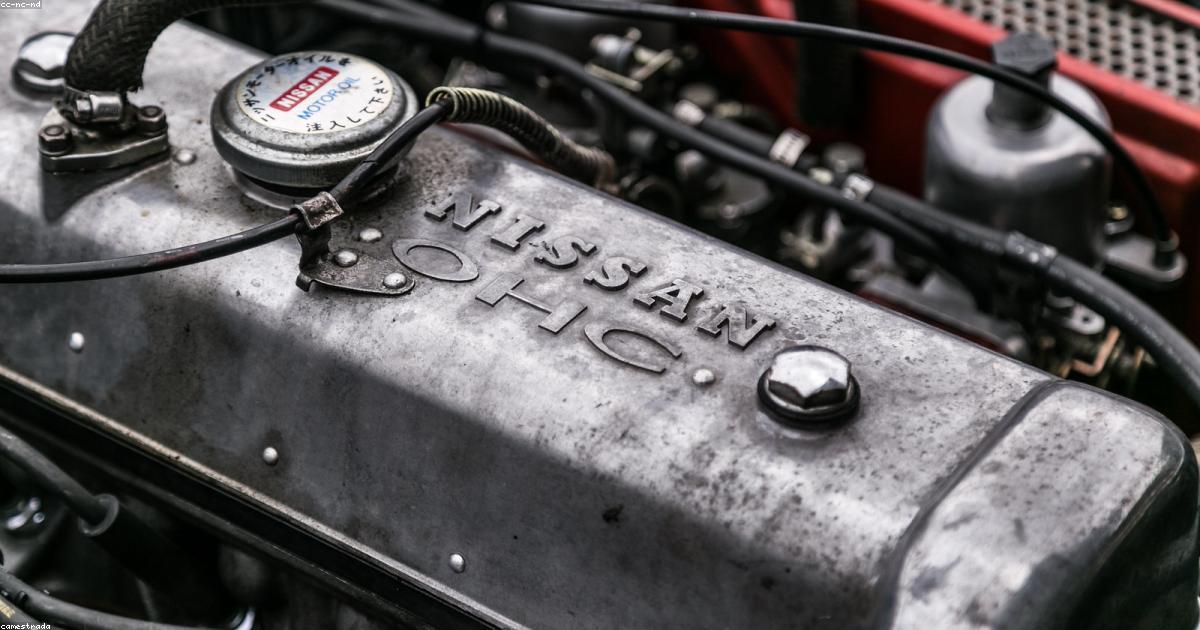
Understanding the Datsun 510: Model Years and Variants
The Datsun Bluebird, marketed as the 510 in export markets (model code PL510 and KPL510), was produced from 1968 to 1972. This four-year production window created distinct generations and variants that dramatically affect value, availability, and sourcing difficulty for Datsun 510 import buyers. Understanding these variations is critical before you commit capital or begin coordinating with Japanese dealers.
First Generation (1968-1970): PL510
The original PL510 (1968-1970) featured the L-series engine in either 1.3L (L13) or 1.6L (L16) configurations. The L-series would become legendary in the drifting community decades later, but the original 510s were straightforward, reliable daily drivers. Early models featured round headlights and simpler interior appointments. These cars are increasingly difficult to source authentically, with many examples having been heavily modified or poorly restored. Expect to pay ¥1,200,000–¥1,800,000 ($8,000–$12,000 USD) for a solid driver-quality original, with restoration projects starting around ¥800,000 ($5,500 USD). Verified original examples with documented service history command premium pricing.
Second Generation (1970-1972): KPL510
The KPL510 (1970-1972) introduced rectangular headlights, improved interior ergonomics, and stronger engine options. The 1.8L L18 engine became available in higher-trim models, offering better performance and durability for modern driving conditions. The KPL510 represents the sweet spot for most classic JDM Datsun buyers—later enough for reasonable reliability, early enough to maintain period authenticity. These cars typically range from ¥1,400,000–¥2,200,000 ($9,500–$15,000 USD) depending on condition and engine specification. The KPL510 also saw higher production volumes, making it somewhat easier to locate through Japanese dealers and auction houses.
Special Editions and Performance Variants
- SSS Coupe: High-trim model with improved interior and available L18 engine—typically ¥1,600,000–¥2,500,000 ($11,000–$17,000 USD)
- Wagon Variants: Station wagon bodies (significantly rarer, higher collectibility)—expect ¥2,000,000–¥3,500,000 ($13,500–$23,500 USD) for quality examples
- Taxi Models: Fleet vehicles with simpler specs and higher mileage—starting at ¥600,000 ($4,000 USD) but requiring thorough inspection
Sourcing Datsun 510s from Japanese Dealers and Auctions
Japan's established classic car dealer network and auction system provide the most transparent sourcing channels for international buyers. Unlike private sales, professional dealers handle documentation, export logistics, and buyer communication in English or through translators. For Datsun 510 import projects, understanding where to look and how to evaluate dealer credibility is fundamental.
Major Classic Car Dealers (Tokyo and Surrounding Prefectures)
Established dealers like Garage Top (Tokyo), Classic Dreams (Kanagawa), and Datsun Lovers Japan maintain documented inventory of pre-1975 vehicles. These dealers typically have 2–6 Datsun 510s in stock at any given time. Advantages include warranty periods (usually 30–90 days for mechanical inspection), transparent pricing aligned with market rates, and assistance with export documentation. Disadvantages: premium markup (typically 15–25% above auction house costs) and limited selection. Most classic car dealers require advance notice for international viewers and can arrange video inspections or photography for serious buyers.
Japanese Auction Houses (USS, Copart Japan, TAA)
USS (United Auction Systems) and similar platforms conduct weekly auctions of classic vehicles with prices significantly lower than dealer markup. A Datsun 510 that retails for ¥2,000,000 at a dealer might achieve ¥1,500,000–¥1,700,000 at auction. However, auction purchases require careful bidding strategy, as-is condition acceptance, and working with an export broker to coordinate shipping. International buyers can participate through licensed export brokers who charge 5–8% commission. Auction inspection windows are typically 24–48 hours before sale, requiring either on-site visits or detailed photo/video requests.
Private Sellers and Collector Networks
Japanese automotive forums like Goo-net and Yahoo Auctions occasionally list private Datsun 510s, often at below-market pricing if sellers are unfamiliar with current collector values. Private sales eliminate middleman costs but introduce transaction risk. Language barriers, documentation verification challenges, and lack of recourse make private purchases riskier for international buyers. If pursuing this route, engage a local inspection service (starting at ¥15,000/$100 USD) to verify mechanical condition and documentation authenticity before committing funds.
Pricing Framework: What You Should Actually Pay
Datsun 510 pricing varies significantly based on condition, originality, engine specification, and documentation completeness. Establishing realistic expectations before beginning your search prevents impulsive decisions and negotiation frustration.
Condition-Based Pricing Breakdown
- Project/Restoration Vehicle (significant mechanical work needed, rough interior, rust present): ¥700,000–¥1,200,000 ($4,700–$8,100 USD). Best suited for buyers with mechanical capability or restoration budgets.
- Driver Quality (mechanically sound, honest cosmetics, operational throughout): ¥1,400,000–¥2,000,000 ($9,500–$13,500 USD). Sweet spot for most buyer profiles—reliable transportation with character.
- Very Good Condition (clean engine bay, minimal rust, fresh interior, recent service): ¥2,000,000–¥2,800,000 ($13,500–$19,000 USD). Requires thorough documentation and inspection verification.
- Excellent/Near-Concours (documented restoration, original specifications where applicable, museum-quality): ¥2,800,000–¥4,500,000+ ($19,000–$30,000+ USD). Rare market availability; typically requires specialist dealer networks.
Engine and Specification Premiums
The L18 engine commands approximately ¥150,000–¥300,000 ($1,000–$2,000 USD) premium over L16 equivalents due to perceived performance and reliability. Original SSS or special-edition trim specifications add ¥100,000–¥200,000 ($700–$1,350 USD) to equivalent condition vehicles. Five-speed transmissions (retrofitted modern boxes) don't substantially affect collector value but are appreciated by drivers planning regular use. Matching numbers (original engine, transmission, and frame identifiers) add 10–15% to documented values.
Essential Mechanical Inspection Checklist
Before committing funds to any Datsun 510 for sale, conduct a systematic mechanical evaluation. Whether inspecting in person or remotely via professional inspector, these points determine whether you're acquiring a reliable classic or a money pit.
Engine and Cooling Systems
- Oil condition and level: Dark, thin oil indicates poor maintenance history. Clean dipstick reading suggests regular service intervals.
- Coolant color and concentration: Rust-colored or murky coolant signals internal corrosion in the L-series block—potential head gasket issues.
- Oil leaks: Minor seepage around valve covers is acceptable on 50-year-old engines; active dripping from pan gaskets or seals suggests needed rebuilding.
- Compression test: Healthy L-series engines should achieve 120–140 PSI across all cylinders. Variation exceeding 15% indicates valve or ring wear.
- Timing chain condition: Rattle on cold start is normal for vintage Datsuns; excessive clattering during acceleration suggests chain stretching.
Transmission and Drivetrain
- Transmission fluid: Burnt smell or dark color indicates thermal stress; should be reddish and clear.
- Shift quality: Engage all gears during test drive. Grinding or difficulty finding gears suggests synchronizer wear.
- Clutch engagement point: Should engage smoothly in upper third of pedal travel; engagement near floor indicates worn friction material.
- Differential leaks: Check for seepage around axle housing and pinion flange—acceptable at minimal levels only.
Chassis and Suspension
- Structural rust: Probe floor panels, rocker sections, and chassis rails with awl or screwdriver. Soft spots indicate corrosion requiring metal replacement.
- Suspension components: Check for torn bushings, corroded control arm ball joints, and leaking shock absorbers—common wear items.
- Brake system: Original 510s feature front disc and rear drum brakes. Verify line integrity and pad thickness; corrosion inside master cylinder is common and expensive to remedy.
- Undercarriage inspection: Request photos or video of complete underbody inspection. Oil accumulation or water staining indicates previous accident damage or poor storage.
Documentation and Title Verification
Authentic Japanese export documentation includes the Jidosha Kensagyou (vehicle inspection certificate), Shaken documentation (biennial safety inspection), and original registration papers. For vehicles older than 20 years, Shaken requirements are waived, but documentation authenticity is still critical. Verify VIN/chassis number consistency across all documentation and physical identification numbers on the vehicle. Missing or mismatched numbers are major red flags requiring third-party verification before purchase commitment.
Import Logistics: Moving Your 510 to Your Destination
Once you've identified and purchased your Datsun 510 JDM, logistics coordination becomes the critical path item. Shipping costs, import duties, and regulatory compliance vary significantly by destination country.
Export Broker Services
Japanese export brokers (shaken companies) handle documentation processing, regulatory compliance, and shipping coordination. Reputable brokers charge ¥40,000–¥80,000 ($270–$540 USD) for full export preparation, including registration certificate translation, export declaration filing, and customs documentation. This fee is separate from shipping costs. Verify broker credentials through the Japan Automobile Dealers Association (JADA) before engaging—fraudulent operations occasionally mishandle documentation, creating import nightmares for buyers.
Shipping Methods and Costs
- Container Shipping (dedicated container): ¥400,000–¥600,000 ($2,700–$4,050 USD) from Japan to US West Coast; allows packing additional cars or parts.
- Roll-on/Roll-off (RoRo): ¥300,000–¥450,000 ($2,000–$3,050 USD) from Japan to US. Car is driven onto specialized vessel—faster and more economical for single vehicles.
- Air Freight (rarely used): ¥800,000–¥1,200,000 ($5,400–$8,100 USD) for emergency/premium situations—generally uneconomical for classic vehicles.
Destination Country Compliance
United States (EPA 25-Year Rule): Vehicles manufactured before 1998 are exempt from EPA emissions requirements, allowing legal importation. Some states have additional DOT requirements; verify with state DMV before shipping. Imported vehicles require VIN verification by local authorities.
United Kingdom and EU: Pre-1975 classic vehicles may qualify for vintage/historic vehicle exemptions, though regulations vary by nation. Post-importation registration requires Right-Hand Drive conversion considerations for LHD Japanese vehicles.
Australia and New Zealand: Classic vehicle exemptions apply to vehicles 25+ years old; compliance certification and inspection requirements are substantial. Budget additional ¥200,000–¥400,000 ($1,350–$2,700 USD) for local compliance.
Authenticity Assessment: Original vs. Modified 510s
The modern Datsun 510 for sale market includes completely stock originals, modern restorations attempting period correctness, and heavily modified drift builds. Determining which category a vehicle falls into affects not only aesthetic enjoyment but also long-term value retention and insurance implications.
Identifying Original Vehicles
- Original paint codes visible on door jamb or under hood trim
- Engine block casting dates matching year of manufacture (within 6 months)
- Original interior fabrics and trim levels consistent with production records
- Matching chassis and engine serial numbers documented in factory records
- Original brake system configurations (no modern conversions)
Modern Modifications and Performance Upgrades
Many available 510s feature modern upgrades: independent rear suspension (IRS) swaps, turbocharged L-series engines (adding 250–350 HP), five-speed transmissions, modern braking systems, and updated electrical systems. These modifications create excellent drivers and drift cars but diminish collector value by 20–40% compared to documented originals. Budget ¥2,200,000–¥3,500,000 ($15,000–$23,500 USD) for quality modified examples with professional fabrication documentation. If your primary motivation is acquisition of a reliable, engaging classic for active use, modified examples often represent superior value. If collectibility and originality appreciation matter, invest in documented original or high-quality restoration vehicles.
Experience These JDM Legends in Person
Before you buy, why not drive your dream JDM car through the streets of Tokyo? Samurai Car Japan offers exclusive JDM Night Tours where you can get behind the wheel of R34 GT-Rs, RX-7s, Supras, and more.
See these cars up close, feel their power, and make an informed buying decision. Many of our tour guests end up purchasing their dream JDM car after experiencing it firsthand!
Frequently Asked Questions About Datsun 510 Import
What's the typical timeline from purchase to delivery at a US port?
Figure 8–12 weeks total: 2–4 weeks for documentation processing and export permit issuance, 4–6 weeks for container/RoRo shipping from Japan to US West Coast or East Coast (depending on carrier and vessel schedule), and 2–3 weeks for US Customs clearance and final delivery. Rush shipping through air freight compresses this to 3–4 weeks but at substantially higher cost.
Can I import a Datsun 510 with a salvage title or previous accident history?
Some US states restrict importation of vehicles with salvage history, while others permit it with inspection verification. Verify your state's regulations before committing purchase funds. Japanese documentation may not detail accident history clearly; professional pre-import inspection helps identify previously repaired damage. Many buyers prefer clean-title originals specifically to avoid post-import registration complications.
How much should I budget for US customs duties and import taxes?
US Customs duties on classic vehicles average 2.5–5% of declared vehicle value; vehicles imported as vintage/collector classics may qualify for reduced rates or exemptions. California and other states with vehicle import taxes add 7.25–10.25% on top of duties. Budget an additional ¥100,000–¥300,000 ($700–$2,000 USD) in total compliance costs. EU/UK import VAT (17–20%) applies to vehicles imported to those regions and substantially increases total acquisition cost.
Are there financing options available for Datsun 510 import purchases?
Japanese dealerships may offer limited financing (typically 50–70% LTV) for documented buyers; however, international financing for imported classic vehicles remains limited. Most international buyers finance through specialty lenders offering collector car loans (5–8% interest) after vehicle arrival and registration. Some Japanese brokers coordinate financing through Asian lending networks, though rates exceed domestic options. Cash purchase remains most straightforward and eliminates lender complications.