The world of Japanese JDM cars represents far more than just vehicles—it's a cultural phenomenon that has captivated enthusiasts globally for decades. From the legendary Nissan Skyline GT-R to the rotary-powered Mazda RX-7, authentic jdm car models embody precision engineering, relentless performance tuning, and a unique aesthetic that defines modern automotive passion. Whether you're an experienced collector or a newcomer exploring the world of Japanese performance cars for export, understanding which models are available, their specifications, pricing structures, and authentication methods is essential before making your investment. This comprehensive guide walks you through everything you need to know about acquiring authentic JDM vehicles from Japan, including real-world pricing, model specifications, and proven strategies for verifying genuine examples in an increasingly competitive marketplace.
What Defines Authentic JDM Vehicles
The term "JDM" specifically refers to vehicles manufactured for the Japanese domestic market—cars designed, engineered, and originally sold exclusively within Japan. This distinction is crucial because it separates authentic jdm vehicles from export models. Japanese manufacturers created specific versions for their home market with unique specifications, technologies, and performance characteristics unavailable in other regions. These vehicles typically feature right-hand drive configurations, Japan-specific engine tuning, domestic market gauge clusters, and tailored suspension setups optimized for Japanese road conditions. Understanding this definition protects buyers from acquiring vehicles marketed as "JDM" that don't meet the strict criteria, ensuring you're investing in genuine Japanese automotive heritage rather than standard export models.
Key Characteristics of True JDM Cars
- Right-hand drive configuration for Japanese traffic patterns
- Engine tuning optimized for Japanese fuel grades and emissions standards
- Japanese-language dashboard instruments and warning systems
- Availability of domestic-market performance upgrades and options
- Higher performance specifications compared to export equivalents
- Unique interior trim levels unavailable outside Japan
- Factory-installed modifications from Japanese tuning houses
- Complete service history documentation in Japanese
Top JDM Car Models Available for Export
Nissan Skyline GT-R (R32, R33, R34)
The Nissan Skyline GT-R stands as the quintessential JDM icon, with the R34 generation (1999-2002) commanding premium prices in the international market. The R34 GT-R features the legendary RB26DETT twin-turbocharged engine producing 320 PS (315 hp) in factory trim, though most examples available for export have been tuned to 400+ PS. Import prices for clean R34 examples range from $65,000 USD for higher-mileage vehicles to $150,000+ USD for pristine, low-mileage specimens with documented service records. The R32 (1989-1994), featuring 280 PS, offers more affordable entry at $25,000-$50,000 USD depending on condition. The R33 (1995-1998) sits between these tiers at $35,000-$80,000 USD. All generations feature the sophisticated ATTESA E-TS all-wheel-drive system and sophisticated engine management allowing significant performance modifications.
Toyota Supra (A80)
The A80 Toyota Supra (1993-2002) represents another pinnacle of JDM performance engineering. The JDM Supra featured the 2JZ-GTE twin-turbocharged engine producing 320 PS, significantly more than the export SZ specification. These engines are renowned for handling substantial power increases—tuned examples commonly produce 500-800 PS. A80 Supra prices for export range from $40,000 USD for higher-mileage examples to $100,000+ USD for exceptional low-mileage vehicles. The A60 (1986-1992) Supra offers an affordable alternative, with prices starting around $15,000 USD. Look for vehicles with complete service documentation and known modification histories, as many enthusiasts in Japan have heavily tuned their examples.
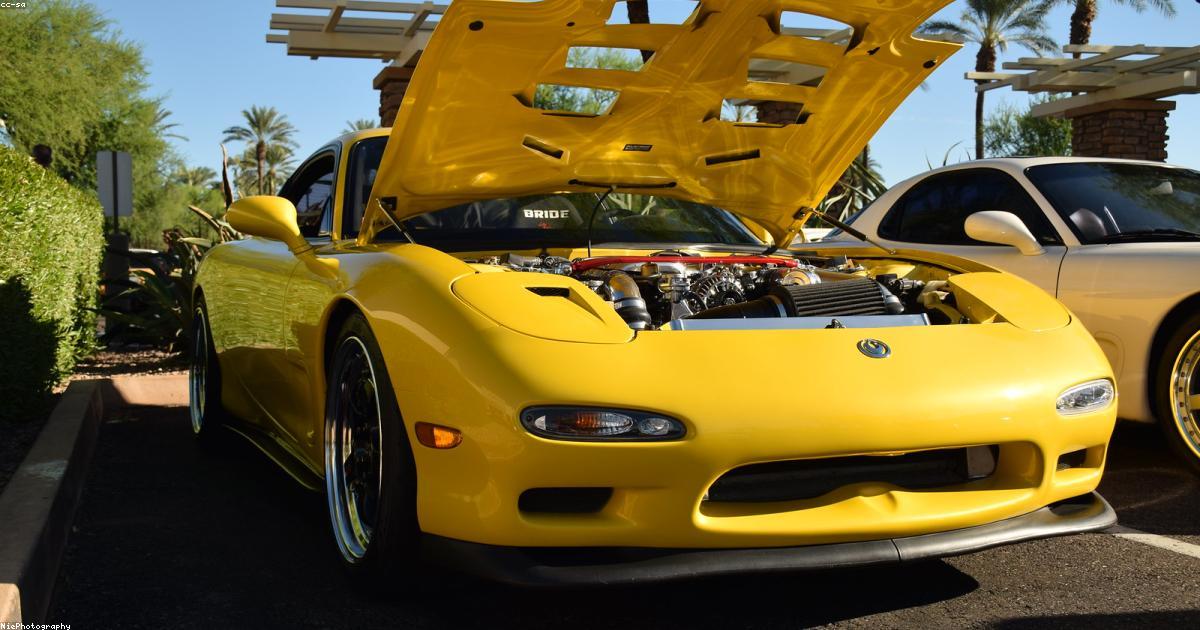
Mazda RX-7 (FD3S)
The final-generation FD3S Mazda RX-7 (1991-2002) represents rotary engine performance at its zenith. The 1.3-liter twin-turbocharged 13B-REW engine produces 280 PS in standard configuration, with the aggressive Type RS variant reaching 295 PS. RX-7 FD3S vehicles command $30,000-$70,000 USD depending on condition, modification status, and mileage. These cars appeal specifically to enthusiasts seeking unique rotary character unavailable in contemporary piston engines. The earlier FB3S (1985-1989) and FC3S (1989-1991) generations offer more budget-friendly options at $8,000-$20,000 USD. Verify compression ratios and recent overhauls when evaluating rotary engines, as the high-revving nature of these mills requires meticulous maintenance.
Honda NSX and Integra Type-R
The original Honda NSX (NA1, 1990-2005) represents Honda's mid-engine supercar, featuring the naturally-aspirated 3.0-liter V6 producing 280 PS. JDM NSX examples with documented histories command $40,000-$80,000 USD. The DC5 Integra Type-R (2001-2006) offers more accessible JDM performance, featuring the legendary K20Z2 engine producing 225 PS at 8,000 rpm. Type-R prices range from $15,000-$35,000 USD depending on mileage and condition. Both vehicles represent Honda's engineering philosophy of achieving high performance through naturally-aspirated engine technology and lightweight construction.
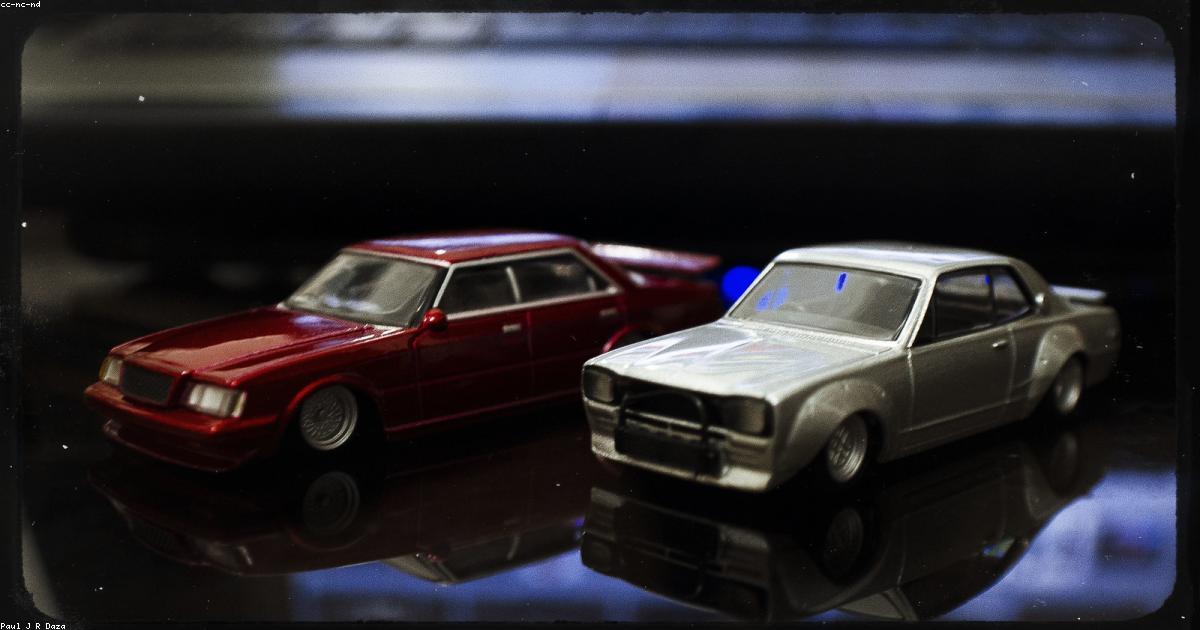
Pricing Tiers and Market Segments
Budget JDM Vehicles ($8,000-$25,000 USD)
This segment includes earlier-generation RX-7s (FC3S, FB3S), second-generation Supras (A60), early Skylines (R32), Nissan Z32, Mitsubishi Lancer Evolution IV-VI, and Subaru Impreza WRX models. These vehicles offer authentic JDM heritage with documented performance potential. Expect potentially higher mileage (80,000+ km) and varying modification states. This tier suits budget-conscious enthusiasts willing to invest in restoration or further tuning.
Mid-Range JDM Vehicles ($25,000-$60,000 USD)
This tier encompasses R33 GT-R examples, later FD3S RX-7s, A80 Supra vehicles, DC5 Integra Type-R, and early R34 GT-R examples. These cars typically feature moderate mileage (40,000-100,000 km) with documented service histories. Pricing varies significantly based on specific trim, modification status, and condition. Many vehicles in this category offer excellent value with modern enough specifications for practical ownership.
Premium JDM Vehicles ($60,000-$150,000 USD)
Premium pricing applies to low-mileage R34 GT-R examples (particularly V-Spec II and Nur variants), pristine NSX vehicles, museum-quality FD3S RX-7s, and exceptionally rare factory variants. These vehicles typically feature comprehensive documentation, full service records from authorized Japanese dealers, original paint, and low mileage (under 50,000 km). Specialist dealers and auction houses typically handle these examples, with transparent provenance and extensive mechanical verification.
How to Authenticate Genuine JDM Vehicles
Documentation Verification
Authentic JDM vehicles must have complete Japanese registration documents (shaken certificate), service history records in Japanese, and original factory warranty documentation. Request the Shaken inspection certificate—this mandatory biennial inspection in Japan records detailed mileage, emissions compliance, and structural integrity. Cross-reference the vehicle's reported mileage against all previous Shaken certificates to identify genuine usage history. Certified used car dealer documentation from established Japanese dealers (called "jidosha-shogo kaisha") provides additional legitimacy. Request proof of any factory recalls completed and verify the vehicle's original interior color against the Shaken paperwork.
Mechanical Verification
Have any prospective JDM purchase inspected by a specialist mechanic familiar with the specific model. Request compression testing for all cylinders to verify engine condition (particularly critical for rotary engines). Inspect the engine bay for original equipment, as many JDM vehicles have been modified. Verify engine serial numbers match the registration documents. Check transmission fluid condition and test all electronic systems indigenous to the Japanese market variant. Verify the ATTESA E-TS all-wheel-drive system (in GT-R models) operates correctly with proper viscous coupling function. Request power steering fluid analysis and check for evidence of internal transmission repairs through magnetic drain plug inspection.
VIN and Title Authentication
The Vehicle Identification Number (VIN) should match across all documentation, the Shaken certificate, and physical location on the vehicle frame. For Nissan Skylines, the frame number appears on a plate inside the driver's door jamb. Cross-reference VIN information through Japanese automotive databases when possible. Request proof that the vehicle has never been declared a "junk car" (kuzushagurumas) or "salvage vehicle" in Japan. Verify the ownership chain through multiple Shaken certificates rather than relying solely on current ownership documentation.
Market-Specific Authentication Tips
- Request original factory invoice paperwork or delivery documents proving original Japanese purchase
- Verify gauge clusters display Japanese text and temperature readings in Celsius
- Inspect original Japanese specification parking sensors, navigation systems, and warning labels
- Compare the selling price against recent auction results from established Japanese auction houses
- Request photographic evidence of all modification work with dated documentation
- Verify Factory Option codes against vehicle specification databases for authenticity
- Check for evidence of Japanese-market exclusive features (specific trim variants, option packages)
- Request service records from authorized Japanese dealerships rather than independent shops
Importing JDM Cars: Legal and Logistical Considerations
Importing Japanese performance cars for export requires navigating complex international regulations, customs requirements, and destination-country homologation standards. Most countries require imported vehicles to be at least 25 years old to bypass modern emissions and safety standards, though some regions offer exemptions for collector vehicles. United States importers must comply with EPA and NHTSA regulations, typically limiting imports to vehicles older than 25 years. European Union importers face individual country requirements but generally must modify vehicles to meet EU safety and emissions standards. Australia enforces strict import quotas and compliance testing. Japan's export logistics involve professional shipping companies specializing in vehicle transport, typically costing $2,000-$4,000 USD for ocean freight depending on destination.
Pre-Import Considerations
- Verify the vehicle meets your country's age requirements for classic car importation
- Research specific emissions and safety modifications required for compliance
- Obtain accurate landed-cost quotes including shipping, customs, and compliance modification expenses
- Confirm insurance availability before importing—some insurers exclude imported Japanese vehicles
- Budget 3-6 months for complete import process including documentation and testing
- Engage a customs broker familiar with classic vehicle imports for your destination
- Verify parts availability in your region, particularly for domestic-market components
- Confirm dealer service capabilities for Japanese-market diagnostic equipment
Evaluating Modification History and Authenticity
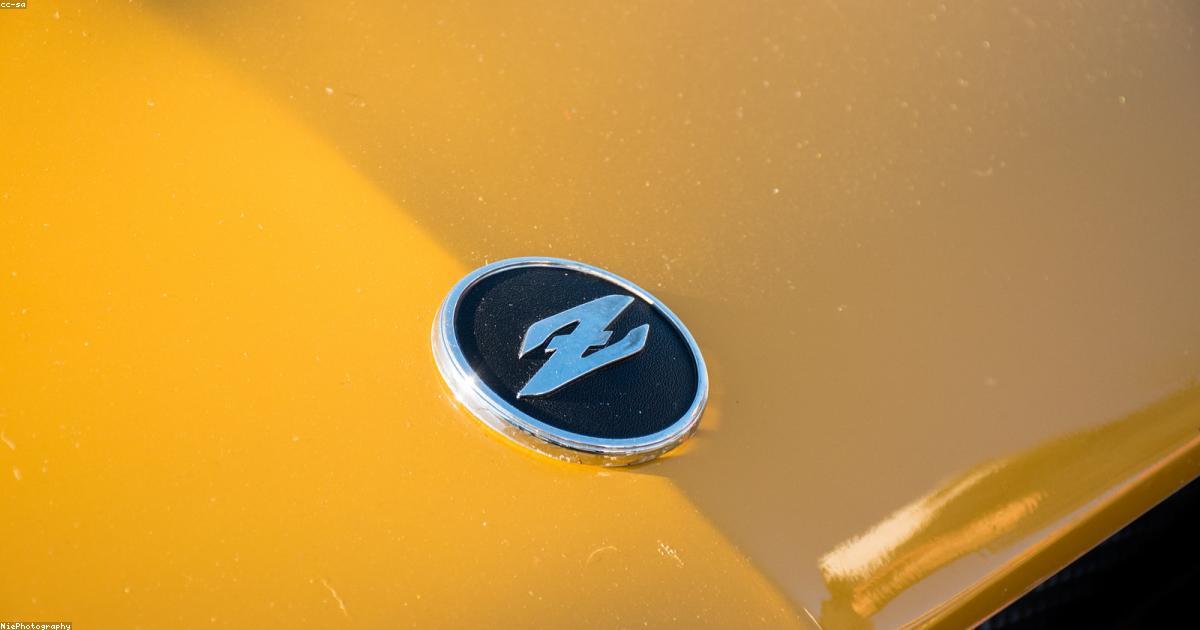
Many jdm car models available for export have been modified by Japanese enthusiasts, sometimes extensively. Understanding a vehicle's modification history proves essential for both performance expectations and long-term reliability. Original, unmodified JDM vehicles command significant premiums, with completely stock examples potentially worth 30-50% more than modified equivalents. Request detailed modification records including part invoices, installation dates, and dyno results if available. Recognize legitimate performance modifications from established Japanese tuning companies like Top Secret, Veilside, and RE Amemiya, which typically increase value among collectors. Conversely, poorly documented modifications or suspiciously extensive tuning on limited-budget vehicles may indicate previous damage concealment or reliability concerns.
Red Flags in Modification Claims
- Vague descriptions of modifications without specific part names or installation dates
- Claims of extreme horsepower figures without dyno certification
- Evidence of multiple engine rebuilds over short time periods
- Missing OEM parts with no documented replacement justification
- Inconsistent modification themes suggesting multiple owners' different priorities
- Aftermarket modifications that don't align with claimed usage patterns
- Paint thickness variations suggesting panel replacement without documentation
- Modification work predating vehicle acquisition—suggesting previous accident or reliability issues
Finding Reputable JDM Sellers and Dealers
Sourcing authentic JDM vehicles requires identifying established dealers with verifiable track records and transparent business practices. Legitimate JDM exporters maintain Japanese business registrations, offer pre-export inspection reports, provide warranty coverage, and facilitate independent pre-purchase inspections. Research potential dealers through Japanese business registries, customer forums, and automotive enthusiast communities. Established dealers typically provide detailed vehicle photography including odometer display, engine bay documentation, and comprehensive condition assessments. Request references from previous international customers and inquire about dispute resolution processes. Verify that dealers handle proper Japanese customs documentation, export declarations, and shipping logistics rather than expecting buyers to manage these complex processes independently.
Vetting Dealer Legitimacy
- Confirm Japanese business registration and tax identification numbers
- Request multiple photos from different angles including odometer and dashboard
- Verify comprehensive vehicle history reports from Japanese sources
- Obtain pre-export third-party inspection reports from recognized Japanese inspection companies
- Confirm transparent pricing with itemized costs for shipping and handling
- Request references from previous international customers with contact information
- Verify dealer's insurance bonding and financial stability
- Confirm warranty coverage or return policies for import disputes
Experience These JDM Legends in Person
Before you buy, why not drive your dream JDM car through the streets of Tokyo? Samurai Car Japan offers exclusive JDM Night Tours where you can get behind the wheel of R34 GT-Rs, RX-7s, Supras, and more.
See these cars up close, feel their power, and make an informed buying decision. Many of our tour guests end up purchasing their dream JDM car after experiencing it firsthand!
Frequently Asked Questions About Japanese JDM Cars
What's the difference between a JDM car and a regular Japanese export model?
JDM cars were manufactured specifically for the Japanese domestic market and feature right-hand drive, Japanese-language dashboards, and often higher performance specifications than export equivalents. Export models were engineered for specific international markets and have left-hand drive configurations. True JDM vehicles command premium pricing because of their unique specifications, rarity outside Japan, and authentic heritage.
Can I legally import a JDM car to the United States?
Yes, provided the vehicle meets the 25-year-old rule established by the EPA and NHTSA. Vehicles manufactured at least 25 years ago can be imported without meeting current US emissions and safety standards. Newer vehicles require complex modifications to achieve compliance and typically don't justify the conversion costs. Verify specific vehicle eligibility before purchasing, as manufacturing date requirements differ between federal and state regulations.
How much does it cost to import a JDM car?
Total import costs typically range from $3,000-$8,000 USD in addition to the vehicle purchase price, including ocean freight ($2,000-$4,000), customs clearance, import duties (based on destination country), inspection and compliance modifications, and title/registration transfer fees. Budget additional funds for any necessary repairs or modifications to meet destination-country standards. Engage a customs broker familiar with classic vehicle imports for accurate cost estimates specific to your circumstances.
What should I look for when examining a used R34 GT-R?
Verify complete service history from authorized Nissan dealers, test the ATTESA E-TS all-wheel-drive system thoroughly, confirm engine compression across all six cylinders, inspect the turbos for proper boost response, verify the original transmission hasn't been rebuilt, and confirm the vehicle's Shaken inspection certificate shows legitimate mileage progression. Request dyno results for any claimed power modifications. Examine the air suspension system for proper function, as replacement costs exceed $10,000 USD. Verify the vehicle hasn't been declared totaled or salvaged in Japan.
Are rotary-engine RX-7s reliable for ownership?
FD3S RX-7s are reliable with proper maintenance, but rotary engines require more frequent attention than piston engines. Request proof of recent top-end rebuilds (recommended every 80,000-100,000 km), confirm oil-change intervals have been maintained rigorously, and verify the fuel system is clean to prevent carbon buildup. Compression should ideally exceed 7.5 kg/cm² in all rotors. Factor in approximately $15,000-$25,000 USD for comprehensive engine overhaul as part of long-term ownership