The Nissan Maxima JDM represents one of the most underrated performance sedans ever exported from Japan, often overshadowed by iconic sports cars that grab all the headlines. Known as the Nissan Cefiro JDM in the Japanese domestic market, this elegant four-door powerhouse combines American muscle sensibilities with Japanese engineering precision. Whether you're hunting for an A31, A32, or A33 generation, these sleeper sedans offer incredible value, surprising performance, and the kind of understated cool factor that appeals to true JDM aficionados who know their automotive history.
Understanding the Nissan Maxima: Maxima vs. Cefiro Naming
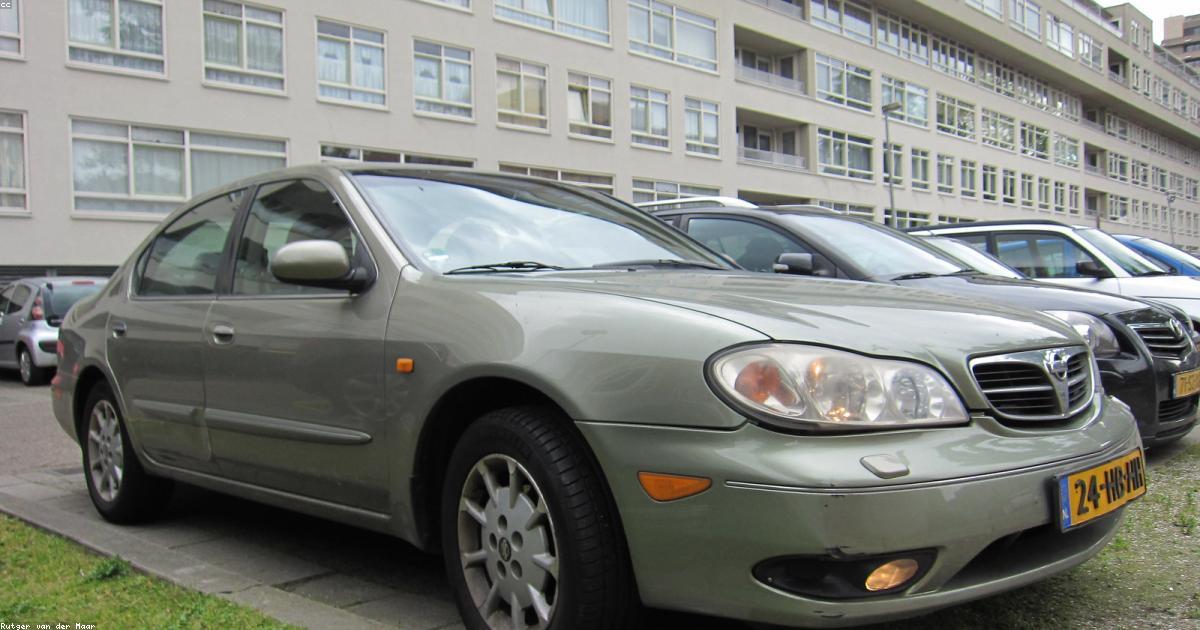
The confusion between "Maxima" and "Cefiro" often trips up newcomers to JDM car culture. Here's the straightforward answer: the Nissan Maxima JDM and Nissan Cefiro are essentially the same car, split by geography. Nissan exported the Maxima to North American markets under the Maxima nameplate, while the Japanese domestic market received it as the Cefiro. Think of it like how Toyota sold the Supra in both markets under the same name—this was Nissan's approach to their premium four-door sedan segment during the 1990s and early 2000s.
The platform badges tell the real story. The A31 generation (1990-1994) represents the third-generation Maxima and second-generation Cefiro. The A32 (1994-1999) was the fourth Maxima and third Cefiro. Finally, the A33 (1999-2006) brought refreshed styling and updated powertrains to both markets. Understanding these designations helps you identify exactly what you're looking at when browsing Japanese car export listings or attending auctions in Tokyo.
The A31 Generation (1990-1994): Raw Potential
The A31 Nissan Cefiro JDM launched during Japan's bubble economy, when manufacturers weren't afraid to stuff premium components into family sedans. This generation featured a choice of engines that shaped its character: the VQ30DE naturally-aspirated engine in the Cefiro produced 210 horsepower at 6,000 RPM and 210 lb-ft of torque, while North American Maximas got the same powerplant with slightly different tuning.
What made the A31 special wasn't just the horsepower—it was the engineering philosophy. Nissan equipped these sedans with four-wheel independent double-wishbone suspension, power steering with variable-ratio assistance, and available all-wheel drive systems that predated many performance brands' implementations. Original list prices in Japan ranged from ¥2,800,000 to ¥3,500,000 ($26,000-$33,000 USD equivalent in 1990s currency). Today, clean examples command $5,000-$12,000 USD on the used JDM market.
A31 Engine and Performance Specs
- Engine: VQ30DE 3.0L V6
- Horsepower: 210 hp @ 6,000 RPM
- Torque: 210 lb-ft @ 4,800 RPM
- Transmission: 4-speed automatic or 5-speed manual
- 0-60 mph: Approximately 8.2 seconds
- Top Speed: 130 mph (electronically limited in Japan)
- Curb Weight: 3,280 lbs
- Fuel Economy: 18-22 mpg combined
The A32 Generation (1994-1999): The Golden Era
Many JDM enthusiasts consider the A32 generation the peak of Nissan Maxima JDM performance and desirability. This generation refined everything the A31 established while introducing more aggressive styling and technical improvements. The A32 Cefiro enjoyed a longer production run and wider adoption in export markets, making it easier to source parts and find detailed maintenance records.
The A32 maintained the VQ30DE engine but gained variable valve timing (VVT) technology in later model years, pushing output to 225 horsepower in some markets. The platform also introduced available all-wheel steering (AWS) on certain trim levels—a technology that enhanced handling characteristics by providing rear-wheel steering assistance at various speeds. Japanese domestic market pricing started at ¥2,950,000 and climbed to ¥4,200,000 for fully-equipped models with leather, navigation, and premium sound systems.

A32 Performance Improvements Over A31
- Variable valve timing (VVT) increased peak horsepower to 225 hp in later models
- Revised intake manifold design improved mid-range torque delivery
- Available all-wheel steering (AWS) enhanced cornering stability
- Improved aerodynamics reduced drag coefficient from 0.32 to 0.29
- Larger front brake rotors (330mm vs. 300mm) improved stopping power
- Updated suspension bushings refined ride quality and reduced body roll
- Electronic throttle control (some models) provided smoother acceleration
The A33 Generation (1999-2006): Modern Refinement
The third-generation Nissan Maxima and Cefiro brought the platform into the new millennium with more contemporary styling and revised mechanicals. The A33 adopted a more angular design language, moving away from the rounded curves that characterized its predecessors. This generation also introduced the VQ30DE with enhanced fuel injection mapping, variable intake manifold technology, and improved emissions controls.
One significant advantage of the A33 is its compatibility with more modern tuning parts and aftermarket support. The OBD-II diagnostic system, more advanced engine management computers, and wider adoption of this platform across multiple Nissan models means finding repair shops experienced with A33 maintenance is easier than sourcing expertise for older generations. Original Nissan Cefiro A33 prices in Japan ranged from ¥3,100,000 to ¥4,500,000. Current market values for used A33 models range from $6,000-$15,000 USD depending on mileage, condition, and specification level.
A33 Engine Specifications
- Engine: VQ30DE with variable intake manifold
- Displacement: 2,988 cc
- Horsepower: 225 hp @ 6,000 RPM
- Torque: 216 lb-ft @ 4,400 RPM
- Compression Ratio: 10.0:1
- Transmission: 4-speed automatic or 5-speed manual (limited availability)
- 0-60 mph: Approximately 7.8 seconds
- Top Speed: 130 mph (electronic limiter)
- Fuel Economy: 19-23 mpg combined
Why These Nissan JDM Cars Are Underrated Sleepers
The Nissan Maxima JDM market has historically been overshadowed by more obvious performance icons. While enthusiasts chase R34 GT-Rs, RX-7s, and 300ZXs, these dignified sedans quietly offer performance, reliability, and practicality in a package that turns heads among knowledgeable JDM fans. Several factors contribute to their sleeper status and investment potential.
Reliability and Longevity
The VQ series engine has a well-documented reputation for durability when properly maintained. Examples with documented service histories and regular oil changes frequently surpass 150,000 miles with original engine internals still intact. The transmission systems, whether automatic or manual, prove similarly robust. This reliability translates to lower ownership costs compared to more exotic Japanese sports cars that may require expensive specialty repairs.
Practical Performance
Unlike sports cars that demand constant attention to fuel grades and maintenance intervals, the Cefiro accepts regular unleaded fuel and standard maintenance procedures. You get genuine 0-60 times in the 7.8-8.5 second range—not exotic, but legitimately quick—packaged in a comfortable, air-conditioned sedan with trunk space for a track day's worth of equipment.
Styling and Presence
The understated elegance of Nissan Cefiro JDM design appeals to drivers who appreciate subtlety. These aren't flashy show cars—they're sophisticated, well-proportioned sedans that look equally at home in an upscale Tokyo parking garage or a European road rally. The proportions, chrome trim, and clean body lines have aged surprisingly well and now carry retro-appeal to younger JDM enthusiasts discovering these cars for the first time.

Buying Guide: What to Look For When Purchasing
Engine Condition Assessment
Request a compression test before purchasing any Nissan Maxima or Cefiro. All six cylinders should read consistently—ideally between 170-185 psi cold. Variance of more than 15 psi between cylinders indicates potential internal wear. Listen for valve train noise; a slight ticking is normal, but a loud rattle suggests timing chain stretch or worn rocker arms requiring expensive remediation.
Transmission Evaluation
Automatic transmissions should shift smoothly without hesitation or slipping. Test acceleration from a stop—you should feel immediate responsiveness without shuddering. Manual transmissions should have a crisp, positive engagement with no grinding on cold shifts. Clutch engagement should feel smooth and occur near the top of the pedal travel, not halfway or at the very bottom.
Suspension and Steering
Feel for excessive play in the steering wheel—more than 1.5 inches of free movement before the wheels respond indicates worn tie rods or steering box components. Press firmly on each corner of the car; it should return to original height without bouncing excessively. Clunking sounds over bumps suggest worn strut mounts or control arm bushings requiring replacement ($800-$1,500 per corner when done properly).
Service Records and Documentation
Japanese auction house vehicles come with detailed inspection reports. Request documentation showing timing chain replacements (ideally done between 80,000-100,000 miles), water pump service, and transmission fluid changes. Original owners often maintain meticulous service records that provide confidence in a vehicle's history and remaining service intervals.
Modification and Tuning Potential
The Nissan JDM Maxima and Cefiro platforms offer genuine tuning potential that extends well beyond cosmetic upgrades. The VQ30DE engine responds well to carefully calibrated modifications that preserve reliability while extracting additional performance.
Realistic Performance Gains
- ECU Tuning: 15-25 additional horsepower ($400-$800 investment)
- Cold Air Intake: 5-10 hp improvement plus improved throttle response ($300-$600)
- Exhaust System Upgrade: 8-12 hp gain with improved acoustics ($800-$1,500)
- Header Installation: 10-15 hp improvement when combined with exhaust ($600-$1,200)
- Lightweight Pulleys: Reduced accessory drag, improved throttle response ($200-$400)
- Variable Valve Timing Adjustment: 5-8 hp gain, enhanced mid-range torque ($400-$700)
Conservative modification targets realistic gains of 30-50 additional horsepower (270-280 hp total) while maintaining factory warranty-equivalent reliability. The VQ engine's robust internal design, robust block casting, and proven internals withstand these power levels without requiring upgrades to internal components.
Suspension and Handling Upgrades
The A31-A33 suspension platform accepts modern aftermarket coilovers, sway bars, and reinforcement bracing that dramatically improve handling without sacrificing ride quality. Japanese specialist tuners offer complete suspension packages engineered specifically for these platforms, typically priced between $1,200-$2,500 for complete front and rear setups. The result is a sedan that handles with surprising agility in canyon driving or track days while maintaining composure on highway cruising.
Market Value and Investment Potential
The Nissan Cefiro JDM market has experienced steady appreciation over the past five years as JDM enthusiasts rediscover these sophisticated sedans. Several market factors support continued value appreciation for well-maintained examples:
- Limited production numbers outside Japan reduce availability in Western markets
- Growing nostalgia for 1990s-2000s luxury sedans parallels broader JDM market trends
- Increasing insurance premiums on more exotic JDM cars push buyers toward practical performance vehicles
- Documented reliability histories make these cars attractive to insurance underwriters
- Collectability of later A33 models with low-mileage examples becoming rarer
A pristine, original A31 with 60,000 miles that sold for $7,000 two years ago now commands $9,500-$11,000. A33 models with under 80,000 miles and complete service records have appreciated 20-30% annually. These gains aren't as dramatic as R34 GT-R values, but they're consistent and less speculative, making the Maxima platform a sound investment for enthusiasts seeking both enjoyment and financial sense.
Experience These JDM Legends in Person
Before you buy, why not drive your dream JDM car through the streets of Tokyo? Samurai Car Japan offers exclusive JDM Night Tours where you can get behind the wheel of R34 GT-Rs, RX-7s, Supras, and more.
See these cars up close, feel their power, and make an informed buying decision. Many of our tour guests end up purchasing their dream JDM car after experiencing it firsthand!
Frequently Asked Questions About Nissan Maxima and Cefiro JDM Cars
What's the difference between a Nissan Maxima and Cefiro?
They are mechanically identical vehicles sold in different markets. The Maxima was exported to North America, while the Cefiro remained exclusive to the Japanese domestic market. Both use the same platform designations (A31, A32, A33), engines, and transmission options. The primary differences are badging, some interior trim variations, and market-specific equipment like radio frequencies.
How much does a used Nissan Maxima JDM cost?
Prices vary significantly based on generation, mileage, and condition. A31 models typically range from $5,000-$12,000 USD. A32 examples command $7,000-$14,000, while A33 models with lower mileage fetch $8,000-$18,000. Pristine, low-mileage examples with complete service documentation can exceed these ranges by 20-30%, particularly in competitive online auctions.
Are Nissan Cefiro and Maxima cars reliable for daily driving?
Absolutely. The VQ30DE engine has proven remarkably durable, with numerous examples exceeding 200,000 miles with original engines. The automatic transmissions are likewise robust when properly serviced. The primary concern is preventive maintenance—regular oil changes, transmission fluid exchanges every 40,000-60,000 miles, and timely belt/chain inspections will keep these cars running reliably for decades.
Can I legally import a Nissan Maxima Cefiro to the United States?
Yes, but only examples 25 years or older qualify for import under the "Show and Display" exemption (Federal Motor Vehicle Safety Standards). A 1999 A32 Cefiro became legal for US importation in 2024. You'll need to work with specialized importers familiar with JDM regulations, expect to budget $3,000-$5,000 for the complete import process including shipping, customs duties, and documentation processing.
What should I prioritize when choosing between A31, A32, and A33 generations?
Choose the A31 if you