The Nissan 180SX JDM and its American counterpart, the 240SX, are two of the most iconic sports cars in drift culture and the JDM community. While they share the same platform and many components, these cars have distinct differences that make each uniquely appealing to different buyers. Whether you're considering importing a JDM 180SX from Japan or exploring the Nissan 240SX JDM market, understanding what separates them is crucial for making the right investment. This comprehensive guide breaks down the key differences, performance characteristics, and import considerations to help you decide which legendary Nissan sports car belongs in your garage.
The Origins: Why Two Models Exist
To understand the 180SX JDM versus the 240SX, you need to look at Nissan's market strategy in the late 1980s. The Nissan 180SX was introduced in Japan in 1989 as the S13 chassis successor, positioned as a stylish, affordable sports car for the Japanese domestic market. Simultaneously, Nissan exported a nearly identical car to North America under the 240SX nameplate. However, Nissan made strategic design and performance changes for different markets, creating two distinct vehicles that appeal to different audiences.
The JDM 180SX became an instant icon in Japan, quickly dominating the underground drift scene and street racing culture. Its aggressive styling, affordability, and tuning potential made it the choice of Japanese street racers and drift competitors. Meanwhile, the 240SX JDM (which was primarily sold in North America) remained less celebrated in Japan itself, though it built a cult following among American enthusiasts. Today, the 180SX commands higher prices in the import market, while the 240SX offers better value for budget-conscious importers.
Engine Specifications: The Core Difference
The most significant difference between the Nissan 180SX and the 240SX lies under the hood. This fundamental distinction affects performance, tuning potential, and long-term value.
Nissan 180SX JDM Engine
The 180SX is powered by Nissan's legendary SR20DET turbocharged engine. This 1,998cc (2.0-liter) four-cylinder produces:
- 205 horsepower at 6,400 RPM (JDM spec)
- 214 lb-ft of torque at 4,800 RPM
- Garrett T25 turbocharger
- Air-to-air intercooler
- Red-top Nissan coil-over spark plug design
The SR20DET is inherently turbocharged, making the 180SX feel significantly more responsive than the naturally aspirated 240SX. The engine's compact size and lightweight design contributed to the JDM 180SX becoming a drift platform favorite. With proper tuning, SR20DET engines routinely produce 300+ horsepower, making the 180SX JDM highly modifiable for performance enthusiasts.
Nissan 240SX Engine
The 240SX came with Nissan's KA24DE or KA24E naturally aspirated engine:
- 155 horsepower at 6,000 RPM (KA24DE)
- 160 lb-ft of torque at 4,400 RPM
- 2.4-liter four-cylinder engine
- Larger displacement but no turbocharger
- More affordable to maintain
While the KA24DE produces more low-end torque due to larger displacement, it lacks the thrilling turbocharged response of the 180SX. Many 240SX JDM import owners perform engine swaps, installing an SR20DET to match the 180SX's performance characteristics. This significant power deficit is why many importers prefer the 180SX as a starting platform.
Exterior Design and Styling
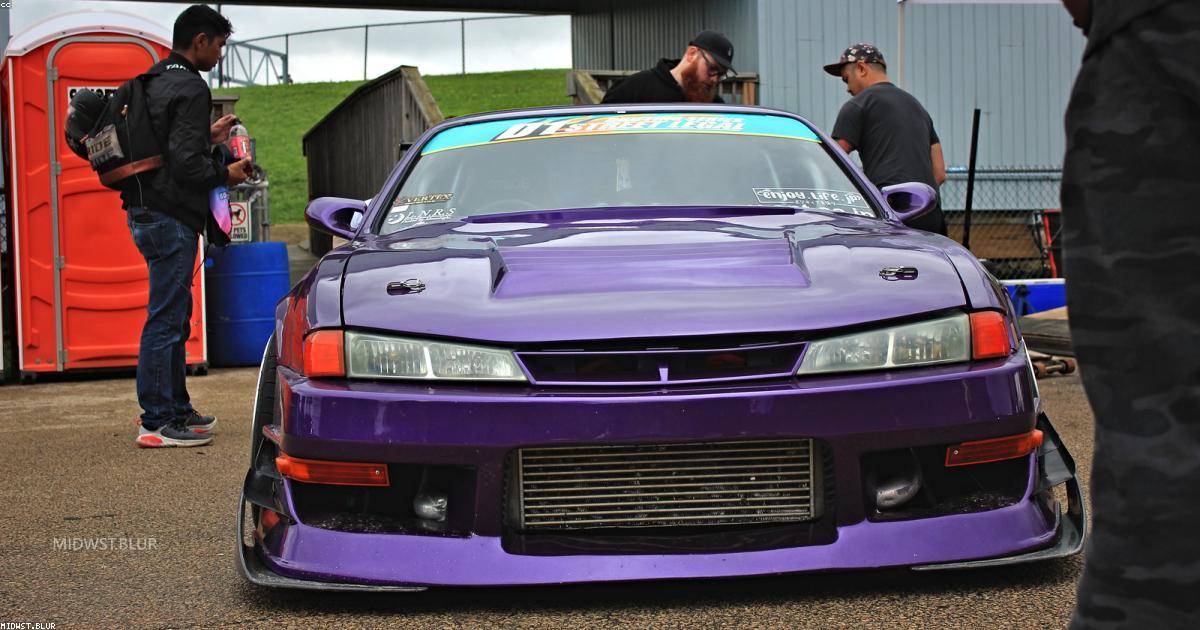
Both the 180SX and 240SX share the same basic body structure, but Nissan differentiated them through distinct styling cues that remain visually striking today.
180SX JDM Design
The 180SX features an aggressive, forward-facing design language:
- Pop-up headlights (iconic RPS13 and KS13 models)
- Angular, aggressive front fascia with wider vents
- Distinctive pop-up hood scoop
- Factory Nissan wing available on Type-X variants
- More aggressive wheel arch flares
- Overall stance appears lower and meaner
The 180SX's design became synonymous with Japanese street racing culture. Its pop-up headlights and aggressive front-end became instantly recognizable in drift videos and anime series, cementing the JDM 180SX's iconic status.
240SX Design
The American 240SX adopted a different aesthetic:
- Fixed headlights instead of pop-ups
- Smoother, more rounded front fascia
- Less aggressive body lines
- Different bumper design targeting American market tastes
- Generally perceived as less visually distinctive
While the 240SX is still attractive by modern standards, its more conservative styling doesn't capture the cultural significance of the 180SX JDM. For collectors seeking authenticity and visual impact, the 180SX commands premium prices in the import market.
Chassis and Handling Characteristics
Both vehicles utilize the S13 platform, providing excellent chassis balance and weight distribution. However, tuning approaches differ significantly between markets.
180SX Suspension Setup
The 180SX came equipped with:
- Double-wishbone independent front suspension
- Independent multi-link rear suspension
- Factory softer spring rates optimized for drifting
- Limited slip differential standard on most variants
- Smaller 14-inch or 15-inch wheels stock
Japanese tuners specifically calibrated 180SX suspension for drifting, making it naturally suited to sideways driving. This platform became the foundation for countless competition drift cars, and this reputation persists today.
240SX Suspension Setup
The American 240SX featured:
- Same fundamental suspension geometry as the 180SX
- Slightly different spring rates and damping tuning
- Factory larger 16-inch wheels in some markets
- Setup optimized for straight-line stability over drift balance
While the 240SX is equally capable when properly tuned, it didn't benefit from the same drift-focused development that made the JDM 180SX legendary. Most 240SX drift builds require significant suspension modification to match the 180SX's stock performance baseline.
Drift Culture Impact and Legacy
The Nissan 180SX JDM holds an unquestionable position as one of the most important vehicles in modern drift culture. In the 1990s and 2000s, the 180SX dominated Japanese drift competitions and street racing scenes. Professional drift drivers like Kazuya Orihara and many others built their legendary status driving 180SX variants.
This cultural significance directly impacts current import values. A well-maintained 180SX JDM costs between ¥1,500,000 to ¥3,500,000 JPY ($12,000-$25,000 USD) depending on condition and mileage. Rare variants like the 180SX Type-X command premium prices exceeding ¥4,000,000 JPY ($28,000+ USD).
In contrast, the 240SX remains primarily a North American phenomenon. While respected by American drift communities, the 240SX JDM didn't achieve the same legendary status. Import prices reflect this difference, with quality 240SX examples available for ¥1,000,000 to ¥2,500,000 JPY ($8,000-$18,000 USD). This significant price disparity makes the 240SX an excellent value proposition for budget-conscious importers.
Import Considerations and Availability
If you're seriously considering importing a 180SX JDM or 240SX, several practical factors should influence your decision.
Parts Availability
The 180SX's popularity means abundant parts availability from Japanese suppliers. OEM and aftermarket components ship worldwide from specialists in Akihabara, Yokohama, and Nagoya. The 240SX JDM shares most mechanical components but offers slightly less specialized drifting equipment.
Mechanical Condition
High-mileage 180SX JDM examples (150,000+ km) are common, as these cars were driven hard by drift enthusiasts. Inspect SR20DET turbo units carefully, as high boost pressure takes its toll on these engines. The 240SX's naturally aspirated KA24DE proves more forgiving with age, often reaching 200,000+ km with basic maintenance.
Insurance and Registration
Classic car import regulations vary by country, but both vehicles are now old enough (30+ years for early models) to qualify for classic vehicle status in many regions, reducing insurance costs. Verify your local regulations before committing to purchase.
Which Should You Import: 180SX or 240SX?
Choose the 180SX JDM If:
- You prioritize authentic drift car heritage and iconic styling
- You want turbocharged performance from the factory
- Budget allows ¥1.5M-¥3.5M ($12,000-$25,000 USD) investment
- You plan aggressive driving, drifting, or competition use
- Owning a legendary JDM platform matters to you
- You want the pop-up headlights and aggressive 180SX design
Choose the 240SX If:
- Budget is limited to ¥1M-¥2.5M ($8,000-$18,000 USD)
- You prefer naturally aspirated engine reliability and longevity
- You plan extensive modification (SR20DET swap is common)
- You value lower purchase price over cultural cachet
- You appreciate understated American classic styling
- You want a solid platform that requires less aggressive maintenance
Maintenance and Long-Term Ownership
Both the Nissan 180SX and 240SX are relatively straightforward to maintain, though they require specialized knowledge for turbo systems (180SX) or engine swaps (240SX modifications).
Common 180SX JDM maintenance includes:
- Turbocharger inspection every 50,000 km (¥150,000-¥300,000 / $1,000-$2,000 USD for rebuild)
- Intercooler cleaning and potential replacement
- Boost control system checks
- Exhaust manifold inspection for cracks
- Regular oil changes with turbo-rated synthetic oil
Common 240SX maintenance includes:
- Standard engine oil changes (more affordable synthetic options available)
- Cooling system maintenance (KA24DE runs hotter)
- Transmission fluid changes
- Differential servicing
- No turbo-specific maintenance required
The 240SX's naturally aspirated engine proves more forgiving over extended ownership, while the 180SX's turbo system demands more attention but delivers superior performance when properly maintained.
Experience These JDM Legends in Person
Before you buy, why not drive your dream JDM car through the streets of Tokyo? Samurai Car Japan offers exclusive JDM Night Tours where you can get behind the wheel of R34 GT-Rs, RX-7s, Supras, and more.
See these cars up close, feel their power, and make an informed buying decision. Many of our tour guests end up purchasing their dream JDM car after experiencing it firsthand!
Frequently Asked Questions
What year is best for importing a 180SX JDM?
The 1994-1998 RPS13 and KS13 models represent the sweet spot for 180SX imports. These years offer matured designs, better parts availability, and typically fall within 25-30 year import eligibility windows in most countries. Earlier models (1989-1993) command premium prices due to rarity and historical significance.
Can I swap an SR20DET into a 240SX?
Yes, SR20DET engine swaps into the 240SX are extremely common, costing ¥800,000-¥1,500,000 JPY ($5,500-$10,000 USD) for engine and installation. Many importers purchase 240SX JDM examples specifically to perform this modification, effectively creating a turbocharged variant at lower initial purchase cost than a pre-existing 180SX.
Why is the 180SX more expensive than the 240SX?
The 180SX's premium pricing reflects its legendary status in drift culture, factory turbocharged performance, iconic pop-up headlight design, and significant cultural cachet in the JDM community. The 240SX, while excellent, lacks this heritage and primarily appeals to budget-conscious buyers and those planning major modifications.
Which has better long-term reliability: 180SX or 240SX?
The naturally aspirated 240SX generally proves more reliable with age, as the KA24DE engine lacks turbo stress. However, a well-maintained 180SX JDM with proper turbo servicing will reliably reach 200,000+ km. Maintenance quality matters more than the inherent design in both cases.
Is the 180SX better for drifting than the 240SX?
Yes, the 180SX offers superior drifting characteristics from the factory due to drift-focused suspension tuning, lower weight, and turbocharged throttle response. However, a properly modified 240SX with SR20DET swap and tuned suspension can match or exceed stock 180SX performance. The 180SX's advantage is its out-of-the-box readiness for enthusiast driving.
Final Verdict: The 180SX JDM Wins for Authenticity, the 240SX Wins for Value
The choice between the Nissan 180SX JDM and the 240SX ultimately depends on your priorities and budget. The 180SX delivers authentic drift heritage, turbocharged thrills, and iconic styling that justifies its premium pricing for collectors and enthusiasts who prioritize authenticity. The 240SX offers excellent value, solid fundamentals, and reasonable modification potential for budget-conscious importers willing to invest in customization.
Both represent exceptional investment opportunities