The world of popular JDM cars represents more than just transportation—it embodies a culture of precision engineering, innovation, and automotive passion that has captivated enthusiasts globally. From the legendary streets of Akihabara to the mountains of Hakone, certain Japanese cars have transcended their domestic market origins to become globally recognized icons. Whether you're exploring the best JDM car options for your collection or simply fascinated by Japanese automotive excellence, this definitive ranking covers the vehicles that shaped the industry and continue to influence modern car design. These are the machines that turned the JDM scene into a worldwide phenomenon worth billions of dollars.
1. Nissan Skyline GT-R R34 (1999-2002)
No discussion of the best JDM car in the world is complete without the legendary Nissan Skyline GT-R R34. This fourth-generation GT-R redefined performance expectations when it debuted in January 1999, commanding respect on both street circuits and international racing stages. The R34 became the ultimate symbol of JDM engineering prowess, featuring a 2.6-liter twin-turbocharged RB26DETT engine producing 320 PS (315 horsepower) in standard form, with many tuned examples exceeding 500 PS.
The R34's legendary status stems from several factors: its advanced multi-function display, sophisticated all-wheel-drive system with active torque control, and four-wheel steering capability. Original examples now fetch $100,000-$400,000+ USD depending on mileage and history, with particularly low-mileage specimens commanding premium prices exceeding ¥60 million ($425,000 USD) at Japanese auctions. The car's dominance in Initial D anime and street racing culture cemented its place in automotive mythology.
Performance Specifications
- Engine: 2.6L Twin-Turbo RB26DETT
- Horsepower: 320 PS (standard), up to 500 PS (tuned)
- 0-100 km/h: 4.8 seconds
- Top Speed: 280 km/h (electronically limited)
- Transmission: 5-speed manual with center differential
- Weight: 1,370 kg
- Production Years: 1999-2002
- Units Produced: 12,596
2. Toyota Supra A80 (1993-2002)
The fourth-generation Toyota Supra A80 represents another cornerstone of best JDM cars ever produced. Launched in 1993 with the legendary 2JZ engine family, the Supra became synonymous with turbocharged power and reliability. The 2JZ-GTE variant produces 280 PS (276 horsepower) in stock configuration but is famous for supporting extreme power outputs—common tuning yields 600-1,000+ PS with proper modifications.
What distinguishes the A80 Supra is its perfect balance of everyday usability and devastating performance. The iconic twin-pop turbo model with its distinctive hood scoop became instantly recognizable after appearances in the Fast & Furious franchise. Modern examples range from $35,000-$150,000+ USD depending on condition, mileage, and modification history. Low-mileage, original Touring models command particularly strong prices in the Japanese market, averaging ¥8-15 million ($55,000-$105,000 USD).
Engine Options & Capabilities
- Base Engine: 2JZ-GE (N/A), 220 PS
- Performance Engine: 2JZ-GTE (Twin-Turbo), 280 PS
- Horsepower (Tuned): 600-1,000+ PS possible
- 0-100 km/h: 4.5 seconds (standard)
- Fuel Capacity: 70 liters
- Curb Weight: 1,500 kg
- Production: 17,997 units (A80 generation)
3. Mazda RX-7 FD3S (1991-2002)
The Mazda RX-7 FD3S stands as the final iteration of Mazda's rotary engine sports car legacy and ranks among the most elegant designs in automotive history. Its unique 13B-REW twin-turbocharged rotary engine produces 280 PS but delivers an unmistakable exhaust note and mid-range punch that distinguishes it from piston-engine competitors. The FD3S represents the pinnacle of lightweight sports car design, with early models weighing just 1,230 kg.
RX-7 FD models have experienced remarkable appreciation, with clean examples now selling for $40,000-$120,000+ USD. Japanese domestic examples in excellent condition command prices around ¥6-12 million ($42,000-$85,000 USD). The car's use in Tokyo Drift and its reputation for tail-happy handling made it eternally cool among enthusiasts. Its rotary engine reliability concerns are often overstated—properly maintained examples regularly exceed 150,000 km with original seals.
Technical Specifications
- Engine: 13B-REW Twin-Turbo Rotary
- Displacement: 1.3L (26B equivalent)
- Horsepower: 280 PS
- Torque: 38.0 kg-m
- 0-100 km/h: 4.7 seconds
- Curb Weight: 1,230-1,275 kg
- Production Years: 1991-2002
- Total Production: 68,582 units
4. Honda NSX NA1/NA2 (1990-2005)
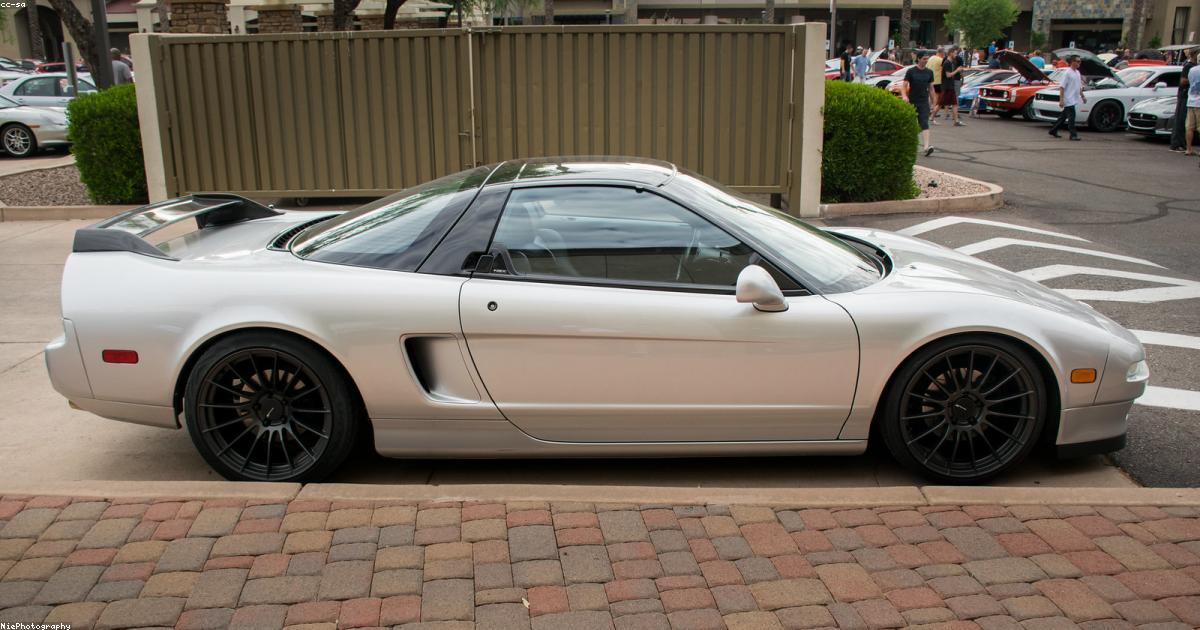
The Honda NSX pioneered the concept of the supercar alternative, proving that Japanese engineering could match Italian exotics while surpassing them in reliability. The first-generation NSX featured an all-aluminum chassis and body, mid-mounted 3.0L naturally-aspirated V6 engine producing 280 PS, and exotic car handling dynamics at a fraction of the cost. This vehicle exemplifies why popular JDM cars captured global attention during the 1990s.
Original NSX examples have appreciated dramatically, with clean NA1 models (1990-1996) now commanding $80,000-$200,000+ USD. Exceptional examples with low mileage exceed $250,000 USD. In Japan, well-preserved NSX models fetch ¥13-25 million ($90,000-$175,000 USD). The NSX's titanium engine components, variable-valve timing, and hydraulic power steering remain technical marvels three decades later. Its influence on automotive design extends far beyond JDM circles.
5. Subaru Impreza WRX STi GC8 (1994-2000)
The Subaru Impreza WRX STi GC8 revolutionized rally racing and street performance, introducing horizontally-opposed turbocharging to a new generation of enthusiasts. The final iteration (1999-2000) featured a 2.0L EJ20 producing 280 PS with aggressive body modifications, active center differential, and legendary all-wheel-drive performance. This car transformed affordable sports cars into legitimate performance machines.
GC8 STi models have become sought-after collectibles, with pristine examples bringing $40,000-$90,000+ USD. Early 555 Edition models command significant premiums. Japanese domestic prices average ¥4-8 million ($28,000-$56,000 USD) for quality examples. The GC8's importance in establishing Subaru's performance reputation cannot be overstated—it legitimized the brand globally and created a passionate enthusiast community still thriving today.
6. Mitsubishi Lancer Evolution VI-IX (1999-2006)
Mitsubishi's Lancer Evolution series defines the lightweight, turbocharged performance sedan category. The Evolution VI through IX generations (1999-2006) featured increasingly sophisticated 4G63T engines, active center diffs, and rally-proven platforms. The final Evo IX produced 280 PS with legendary all-wheel-drive traction and an enormous tuning community supporting 400+ PS modifications.
Well-maintained Evo examples now trade for $35,000-$85,000+ USD depending on generation and mileage. Japanese market examples average ¥3-7 million ($21,000-$49,000 USD). The Evo's practical four-door sedan configuration made performance accessible to enthusiasts who needed daily transportation—a key factor in its enduring popularity among JDM cars best performers.
7. Nissan Silvia S15 (1999-2002)
The Nissan Silvia S15 represented the final evolution of Nissan's affordable sports car platform, featuring a 2.0L SR20DET turbo engine producing 250 PS in stock form. Despite less power than competitors, the S15's lightweight chassis (1,250 kg), responsive steering, and aftermarket support made it a favorite among drifting communities and tuners worldwide. Its aggressive styling with distinctive headlights became instantly iconic.
Silvia S15 prices have appreciated substantially, with clean examples now selling for $25,000-$60,000+ USD. Japanese market examples average ¥3-6 million ($21,000-$42,000 USD). The S15's significance extends beyond performance—it represented affordable JDM culture and the accessibility of performance driving that attracted millions of new enthusiasts.
8. Toyota 2000GT (1967-1970)
The Toyota 2000GT holds legendary status as Japan's first true supercar, appearing in the James Bond film "You Only Live Twice." With only 351 units produced, the 2000GT featured a 2.0L DOHC engine producing 150 PS and distinctive curved-roof coupe design. This car established Japan's capability to create world-class sports cars decades before the R34 or NSX emerged.
Original 2000GT examples represent blue-chip investments, with auction prices regularly exceeding $1 million USD. A particularly exceptional 1967 model sold at Gooding & Company for $3.08 million USD in 2013, making it one of the most valuable Japanese cars ever. The 2000GT's historical significance and extreme rarity place it beyond the reach of most collectors but guarantee its position in automotive mythology.
Why These Cars Dominate the JDM Landscape
These iconic vehicles share common characteristics that explain their continued dominance among popular JDM cars enthusiasts worldwide. First, they represent technological innovation—the RB26 engine's sequential turbocharging, the NSX's all-aluminum construction, the 2JZ's legendary reliability and tuning potential, and the rotary engine's unique characteristics all pushed automotive boundaries. Second, they offered exceptional performance at accessible price points during their production years. A Supra or Skyline cost significantly less than equivalent Italian supercars while delivering comparable or superior performance.
Third, these cars benefited from cultural amplification through anime (Initial D), cinema (Fast & Furious, Tokyo Drift), and video games (Gran Turismo series). This media presence transformed them from mechanical objects into cultural touchstones. Fourth, they enabled a thriving aftermarket ecosystem—companies like Trust, HKS, Tomei, and Spoon Engineering created modification cultures around these platforms. Finally, their relative youth compared to classic cars means many remain mechanically viable and relatively affordable compared to older collector cars.
Market Trends for Popular JDM Cars
The market for iconic JDM vehicles has experienced unprecedented appreciation since 2015. R34 GT-R prices have increased 250-300% as Americans discovered these previously inaccessible machines through the 25-year import rule. Supra A80 prices doubled following the 2020 Toyota Supra relaunch revival. RX-7 FD values increased 150% as rotary enthusiasts realized the final generation represented the end of an era. Even more affordable platforms like the S15 and GC8 STi have appreciated 100-150% as new generations of buyers entered the market.
This appreciation reflects several factors: increased global awareness through social media and YouTube, legitimate scarcity as these 20-30 year old cars age, currency fluctuations favoring dollar-based buyers purchasing in Japan, and genuine automotive quality that sustains collector interest across decades. Unlike speculative bubbles, the appreciation of best JDM cars reflects genuine enthusiasm and mechanical merit rather than financial manipulation.
The Future of JDM Car Collecting
As automotive electrification accelerates, naturally-aspirated and turbocharged internal combustion engines will become increasingly precious. The cars ranked here represent the final generation of affordable, accessible internal combustion engine sports cars. Future collectors will view the 1990s-2000s as a golden era when performance, reliability, and reasonable pricing converged. This scarcity—both mechanical and temporal—ensures continued appreciation for genuine popular JDM cars with documented provenance and sound mechanical condition.
Investment-grade collectors increasingly focus on low-mileage examples with complete service records, original paint, and unmodified mechanical components. A 20,000 km example with dealer service history commands 30-50% premiums over equivalent cars with 80,000 km. This preference for preservation over modification represents a significant shift from earlier enthusiast culture that celebrated extreme modifications. Wise collectors now seek original specifications, original paint, and complete documentation—the very opposite of 1990s tuning culture.
Experience These JDM Legends in Person
Before you buy, why not drive your dream JDM car through the streets of Tokyo? Samurai Car Japan offers exclusive JDM Night Tours where you can get behind the wheel of R34 GT-Rs, RX-7s, Supras, and more.
See these cars up close, feel their power, and make an informed buying decision. Many of our tour guests end up purchasing their dream JDM car after experiencing it firsthand!
FAQ: Frequently Asked Questions About Iconic JDM Cars
What is the best JDM car to buy right now?
The "best" JDM car depends on your specific priorities. For pure investment potential, the R34 GT-R and Supra A80 remain premier choices despite premium pricing. For balanced performance and value, the RX-7 FD, S15, and GC8 STi offer compelling alternatives at more reasonable entry points ($30,000-$60,000 USD). For reliability and long-term ownership satisfaction, the NSX and 2JZ-powered Supra excel. Consider your intended use—daily driving, weekend enthusiast use, or investment—when making your selection.
Can you still import R34 GT-Rs to America?
Yes, R34 GT-Rs manufactured before December 31, 1998, can be legally imported to the United States under the 25-year import rule established by the National Highway Traffic Safety Administration. R34 models from 1999-2002 remain illegal for import until they reach 25 years of age (2024-2027). Professional import companies can facilitate compliant importation, though importing involves careful documentation, EPA considerations, and initial registration challenges in specific states. Budget $15,000-$25,000 for professional import services beyond the vehicle purchase price.
How reliable are these classic JDM cars for daily driving?
Reliability varies significantly by individual car condition, maintenance history, and specific platform. The 2JZ-GTE Supra and NSX rank among the most reliable with proper maintenance. The RB26-powered Skyline, while robust, demands regular turbo maintenance and can suffer catastrophic failure if neglected. RX-7s require meticulous maintenance but properly maintained examples prove reliable. Modern alternatives like the Subaru WRX STi and Mitsubishi Lancer Evolution are more reliable than the rotary. Before purchasing, invest in professional pre-purchase inspections averaging $1,000-$2,000 to assess condition and anticipated maintenance requirements.
Are these JDM cars still appreciating in value?
Yes, with important caveats. Low-mileage examples with original paint, complete service records, and unmolested condition continue appreciating at 5-15% annually. Modified cars, high-mileage examples, and vehicles with accident history appreciate slowly or depreciate. The market increasingly values preservation and originality—the opposite of 1990s modification trends. This creates two distinct markets: investment-grade original examples commanding premium prices, and "driver" quality modified cars offering better value for enthusiasts prioritizing enjoyment over investment returns. Smart buyers focus on identifying exceptional original examples likely to appreciate consistently.
Which popular JDM cars have the strongest aftermarket support?
The 2JZ-powered Toyota Supra commands the largest aftermarket ecosystem, with thousands of manufacturers producing everything from fuel injectors to complete engine packages supporting 600-1,000+ PS. The RB26-powered R34 GT-R benefits from immense Japanese tuning company support (HKS, Trust, Tomei, Spoon Engineering). The rotary RX-7 maintains dedicated communities despite smaller overall market. The EJ20 Subaru platform offers substantial support through WRX/STi communities. The SR20DET S15 community remains vibrant on forums and social media. Generally, the more affordable and accessible the platform, the stronger the tuning community support—though premium marques like the NSX and 2000GT maintain active restorer networks.