JDM stance culture represents far more than just lowering a car—it's a philosophical movement that blends aesthetics, engineering, and community pride. Born in the streets of Tokyo and Osaka during the 1990s, stance JDM has evolved into a global phenomenon that defines how millions of enthusiasts view Japanese automotive culture. Whether you're drawn to the aggressive geometry of a slammed Honda Civic, the timeless elegance of a lowered Toyota JZA80 Supra, or the raw presence of a bagged Nissan Silvia S13, understanding JDM stance means understanding the very soul of modified Japanese car culture.
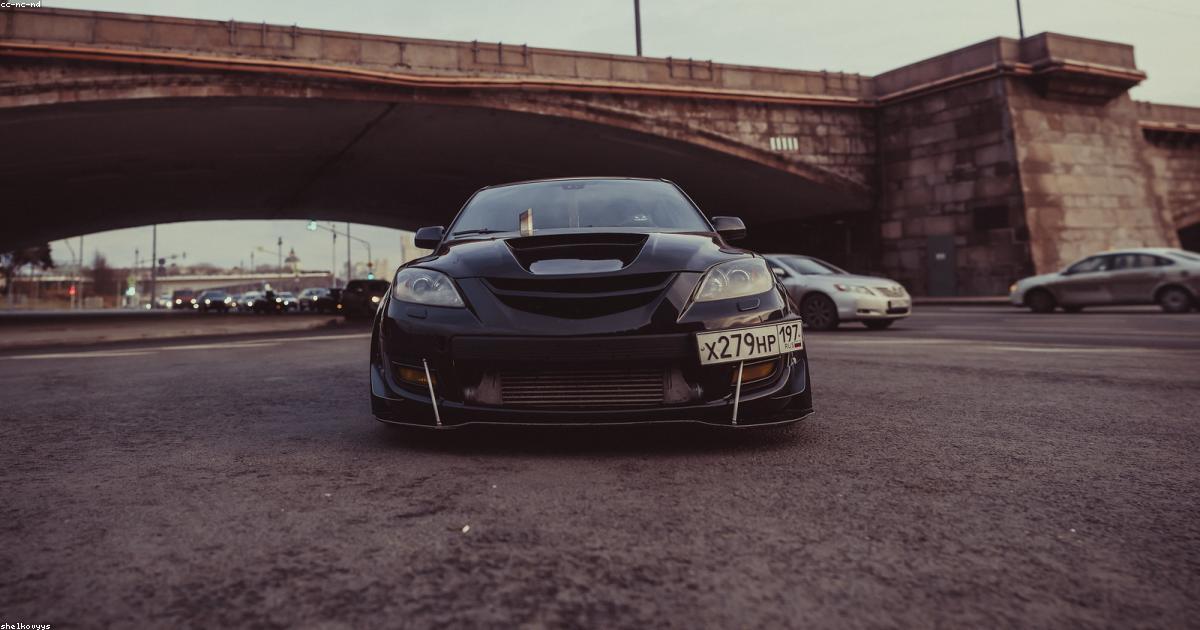
The Origins of JDM Stance Culture
The history of JDM stance culture traces back to early 1990s Japan, where a new generation of car enthusiasts began questioning traditional performance tuning. While bosozoku culture dominated the 1980s with its loud exhausts and aggressive styling, young Japanese gearheads wanted something different—a refined aesthetic that emphasized proportion, symmetry, and visual impact without sacrificing drivability.
The movement gained serious momentum around 1995-1998 when companies like Blitz, HKS, and 326Power began producing affordable suspension components specifically designed for static lowering. These early pioneers experimented with coilover systems, air suspension, and aggressive wheel fitments that would become the foundation of modern JDM stance builds. The scene concentrated around Tokyo's Yoyogi Park meetups and Tokyo's underground racing circuits, where visual presentation became equally important as quarter-mile times.
Key Milestones in Stance Evolution
- 1995-1998: First generation coilover systems introduced; static lowering becomes mainstream in Japan
- 1999-2003: Air suspension technology popularizes; internet communities form around Apexi, Trust, and HKS forums
- 2004-2008: Digital photography accelerates spread of JDM stance aesthetic; offset wheel fitment becomes critical
- 2009-2015: Global expansion through Instagram and YouTube; stance JDM reaches North America and Europe
- 2016-Present: Mainstream acceptance; stance modifications appear on production cars and in automotive media
Defining JDM Stance: The Core Aesthetic
What exactly constitutes JDM stance? At its core, the philosophy combines five essential elements that transform stock Japanese cars into rolling works of art. Understanding these fundamentals separates dedicated stance builders from casual lowering enthusiasts.
Aggressive Suspension Geometry
JDM stance demands extreme suspension modifications that prioritize visual drama. This includes lowering vehicles 2-4 inches below factory ride height, achieving what's called "slammed" status. Builders adjust camber angles (the tilt of wheels relative to vertical) to negative 5-12 degrees—far beyond factory specifications of 0-1 degrees. This creates the signature "toes-out" appearance where wheel edges sit dramatically away from fenders, generating the aggressive geometry that defines the aesthetic.
Popular suspension platforms for JDM stance builds include the Stance GR2 coilovers (¥80,000-120,000 / $600-900 USD), the Tein Flex Z system, and high-end air suspension setups that can exceed ¥500,000 ($3,800 USD). Builders often upgrade control arms and adjust track width using spacers and offset wheels to perfect the wheel gap proportions.
Offset Wheel Fitment
Wheels define JDM stance as much as suspension. The movement demands deep negative offset wheels—typically +15mm to -25mm—that sit flush with fenders or dramatically extend beyond them. Popular brands include Work Meister S1R, Volk Racing TE37, SSR Professor MS1, and Rotiform SJC, ranging from ¥60,000-200,000 per set.
A properly fitted stance car displays wheel geometry that creates perfect proportions—ideally, the outermost edge of the tire aligns with fender edges, creating a visual "frame" around the wheel. Extreme fitments extend 1-3 inches beyond factory fenders, requiring either 3D-printed fender flares or custom bodywork. Tire stretch (using tires narrower than wheel width) remains controversial but remains prevalent in aggressive builds, with ratio stretches of 10-20% common on competition vehicles.
Visual Aerodynamics
JDM stance culture emphasizes body modifications that enhance the lowered silhouette. This includes front splitters, side skirts, diffusers, and fender flares that accentuate the aggressive stance geometry. Legendary platforms for stance aerodynamics include the R33/R34 Nissan Skyline GT-R (with R33 models costing ¥3,500,000-5,500,000 / $26,000-41,000 USD pre-export), the S13/S14 Silvia, and the JZA80 Supra.
Paint and Finish
Perfectly executed paint work elevates JDM stance builds from modified to masterpieces. Two-tone paint schemes, matte finishes, and metallic effects are common, with many builds spending ¥500,000-2,000,000 ($3,800-15,000 USD) on premium paint applications. Brands like PPG and Spies Hecker dominate the JDM modification scene.
Interior and Detail Culture
True JDM stance culture extends beyond exterior modifications. Interior modifications range from custom seats and roll cages to period-correct steering wheels and modified dashboards. Many builders invest in Recaro bucket seats (¥150,000-400,000 / $1,100-3,000 USD), vintage racing harnesses, and custom upholstery that matches exterior themes.
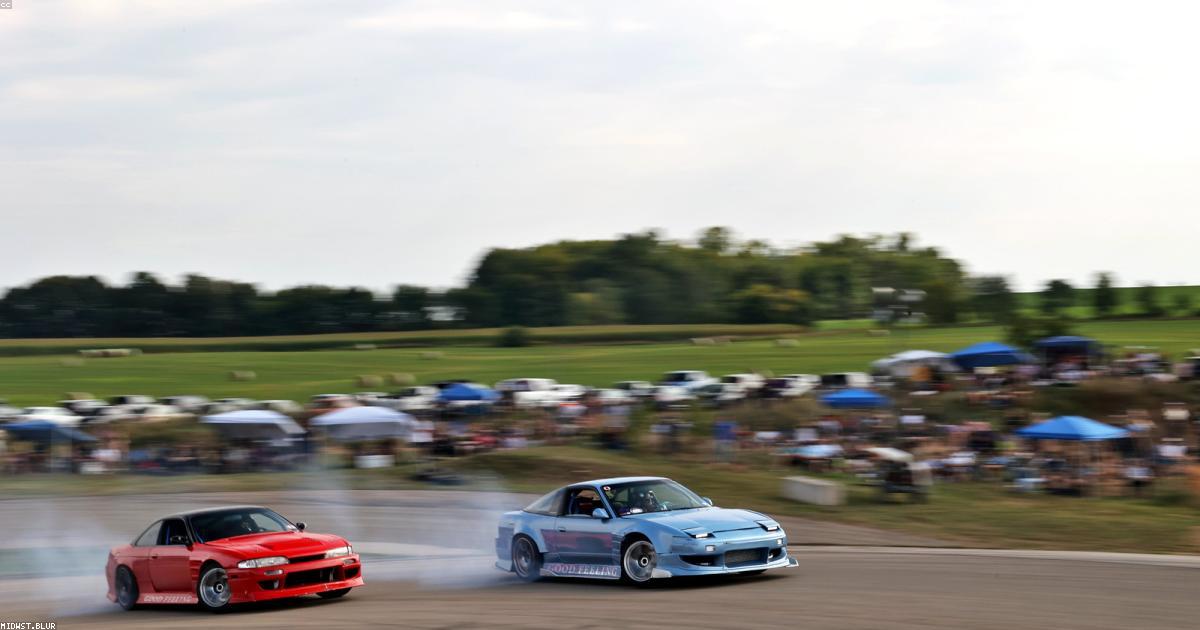
Iconic JDM Cars for Stance Builds
Certain JDM cars have become legendary platforms within stance culture, offering perfect proportions and modification potential that appeal to builders worldwide.
Nissan Silvia S13 (1988-1994)
The S13 Silvia remains the quintessential stance platform. Its long hood, short deck proportions and lightweight construction (approximately 2,400 lbs / 1,090 kg) create perfect visual geometry when lowered. Original S13 models cost ¥800,000-2,500,000 ($6,000-18,500 USD), with pristine examples commanding premium prices. The platform's abundant aftermarket support ensures unlimited customization potential.
Toyota JZA80 Supra (1993-2002)
The A80 Supra represents the ultimate stance canvas—its 2,800mm wheelbase and aggressive factory lines translate to stunning proportions when properly modified. Export prices range from ¥2,500,000-8,000,000 ($18,500-59,000 USD) depending on condition and mileage. The 2JZ-GTE engine's legendary reliability means even heavily modified examples remain driver-focused platforms rather than static display pieces.
Nissan Skyline GT-R R33/R34 (1995-2002)
The R34 Skyline GT-R ($40,000-80,000 USD export value) represents peak JDM stance potential. The 2.6L twin-turbo RB26DETT engine develops 280 PS stock (320+ PS in modified form), while the all-wheel-drive system and 2,760mm wheelbase create dramatic proportions. R34 GT-Rs with 60,000+ kilometers cost ¥3,500,000-5,500,000 ($26,000-41,000 USD) but appreciate rapidly as values increase annually.
Mazda RX-7 FC/FD (1986-2002)
The RX-7 FD (1992-2002) combines rotary engine uniqueness with perfect stance proportions. With a sub-2,500 lbs curb weight and low center of gravity, the FD transforms spectacularly when lowered. Export prices range ¥2,000,000-6,000,000 ($15,000-44,000 USD), with low-mileage examples commanding significant premiums as Japanese supply dwindles.
Honda Civic EG (1992-1995)
The Civic EG remains the entry-point platform for stance culture. Readily available in Japanese auction for ¥400,000-1,200,000 ($3,000-9,000 USD), the lightweight construction and compact dimensions create dramatic stance potential. The massive aftermarket ecosystem ensures endless customization options, from B16 engine swaps to complete custom builds.
Building Your Own Stance JDM Project
Creating an authentic JDM stance build requires careful planning, significant investment, and deep understanding of suspension geometry and modification principles. Here's a comprehensive roadmap for aspiring builders.
Phase 1: Foundation and Planning (¥500,000-1,500,000 / $3,800-11,000 USD)
- Select appropriate platform based on budget, aesthetic preferences, and modification potential
- Research factory specifications and identify custom geometry targets
- Join community forums and study reference builds in your chosen platform
- Establish detailed budget accounting for suspension, wheels, bodywork, and paint
- Plan mechanical reliability upgrades before committing to visual modifications
Phase 2: Suspension Installation (¥150,000-500,000 / $1,100-3,800 USD)
Quality coilover selection determines your build's foundation. Recommended systems for serious builders include:
- Feal Suspension 441 Coilovers: ¥180,000-250,000 ($1,350-1,900 USD) with adjustable dampening and ride height
- JDM Garage Swift Springs: ¥120,000-180,000 ($900-1,350 USD) for budget-conscious builders
- Air Suspension Systems: ¥400,000-800,000 ($3,000-6,000 USD) for dynamic ride height adjustment
Professional installation at a JDM-focused shop costs ¥80,000-150,000 ($600-1,100 USD) but ensures proper alignment and geometry setup crucial for safe, driven stance builds.
Phase 3: Wheel and Tire Selection (¥150,000-400,000 / $1,100-3,000 USD)
Wheel selection defines your stance visual identity. Budget-conscious builders source Work Emotion CR Kiwami wheels (¥60,000-100,000 / $450-750 USD per set), while serious competitors invest in Volk Racing TE37 Ultra (¥180,000-280,000 / $1,350-2,100 USD) or SSR Professor MS1 variants (¥200,000-320,000 / $1,500-2,400 USD).
Offset calculations demand precision. For aggressive fitment on an S13 Silvia, targeting 18x9.5" wheels with +10mm offset and 205/45R18 tires creates perfect visual proportions. Wider fitments (18x10.5" with -10mm offset) require fender work but generate the signature stance appearance.
Phase 4: Bodywork and Aerodynamics (¥300,000-1,500,000 / $2,300-11,500 USD)
This phase separates casual lowered cars from dedicated stance builds. Essential modifications include:
- Front splitter and lip work (¥80,000-200,000 / $600-1,500 USD)
- Side skirts and underbody modifications (¥150,000-400,000 / $1,100-3,000 USD)
- Fender flares (¥200,000-600,000 / $1,500-4,500 USD for quality pieces)
- Custom diffusers and aerodynamic elements (¥300,000-800,000 / $2,300-6,000 USD)
Phase 5: Paint and Finishing (¥500,000-2,500,000 / $3,800-19,000 USD)
Professional paint execution defines whether your build achieves iconic status. Premium multi-layer finishes with custom color matching, pearl effects, or matte applications require investment at dedicated shops. The legendary Osaka paint shops charging ¥1,000,000+ ($7,600+ USD) become worthwhile investments for competition-level builds.

The JDM Stance Community Today
What began as underground Tokyo meetups has evolved into a global phenomenon. Today's JDM stance community spans continents, with organized events in Tokyo's Odaiba district, Okayama's famous car meets, and international events from Los Angeles to Dubai.
Major Community Hubs
- Yoyogi Park Tokyo: Weekend meetups attracting hundreds of stance builds and enthusiasts
- Nikko 1000 Meter Road: Epic mountain runs featuring JDM stance cars from across Japan
- Instagram and TikTok: Global platforms where builds accumulate millions of views and spawn international trends
- YouTube Channels: Content creators like JDM Society, TJ Hunt, and Cleetus McFleet dedicated to stance culture documentation
- International Meets: Formula Drift events, Cars and Coffee shows, and dedicated stance competitions worldwide
Competition and Recognition
Modern JDM stance culture celebrates competitive recognition through numerous channels. The Stance Auto magazine competitions judge vehicles on suspension geometry, wheel fitment, paint quality, and overall execution. Winners receive international exposure and become reference builds for their platform class. Japanese domestic competitions like Import Tuner Challenge feature dedicated stance categories with prestigious awards.
Photography has become integral to community participation. Talented automotive photographers document builds, with legendary shooters like Ryan Tuerck's content and independent photographers accumulating hundreds of thousands of followers. Professional quality images can mean the difference between local reputation and international recognition.
The Social Media Explosion
Instagram hashtags like #JDMStance, #StanceJDM, and #SlammadJDM have amassed millions of posts. Builders find parts suppliers, connect with shops, discover inspiration, and build friendships entirely through social platforms. This democratization means enthusiasts anywhere can participate regardless of geographic location or local scene availability.
Common Misconceptions About JDM Stance
The popularity of JDM stance culture has generated significant misconceptions. Let's address the most persistent myths:
Myth #1: Stance Cars Cannot Be Driven
False. While competition-level static builds prioritize visual appeal over drivability, many stance cars remain fully functional. Properly executed builds maintain reasonable ride quality, good visibility, and safe handling characteristics. Many owners daily-drive slammed vehicles worldwide without issues.
Myth #2: Negative Camber Destroys Tires
Partially true. Extreme negative camber (8-12 degrees) does significantly increase tire wear, but modern designs and proper tire selection minimize this issue. Many stance builds achieve 20,000+ kilometer tire life with appropriate maintenance.
Myth #3: Stance and Performance Are Mutually Exclusive
False. Many legendary JDM performance cars feature subtle stance modifications that enhance both aesthetics and handling. Formula Drift competitors combine extreme camber with genuine racing performance.
Myth #4: Japanese Import Regulations Prevent Stance Modifications
Partially true. Japan's strict vehicle inspection regulations (shaken) make extreme modifications challenging for street registration. However, numerous registered stance cars operate legally through component selection and careful documentation.
Modern Stance Culture Evolution
JDM stance culture continues evolving with new technologies and aesthetic directions. Modern JDM stance culture now embraces:
Hybrid Designs
Contemporary builds blend stance aesthetics with subtle performance upgrades—turbocharging naturally-aspirated platforms, upgrading braking systems, and optimizing suspension geometry for both visual drama and functional dynamics. This "slammed and slick" approach appeals to younger enthusiasts seeking balanced builds.
Virtual Simulation
Software like Photoshop, Adobe Lightroom, and specialized vehicle rendering programs allow builders to preview modifications before committing resources. This democratizes the design process and reduces expensive mistakes.
Environmental Consciousness
A growing segment within JDM stance culture prioritizes sustainable practices—utilizing recycled parts, extending vehicle lifecycles through modification rather than replacement, and supporting platforms that reduce environmental impact. Electric vehicle stance builds represent the frontier of this evolution.