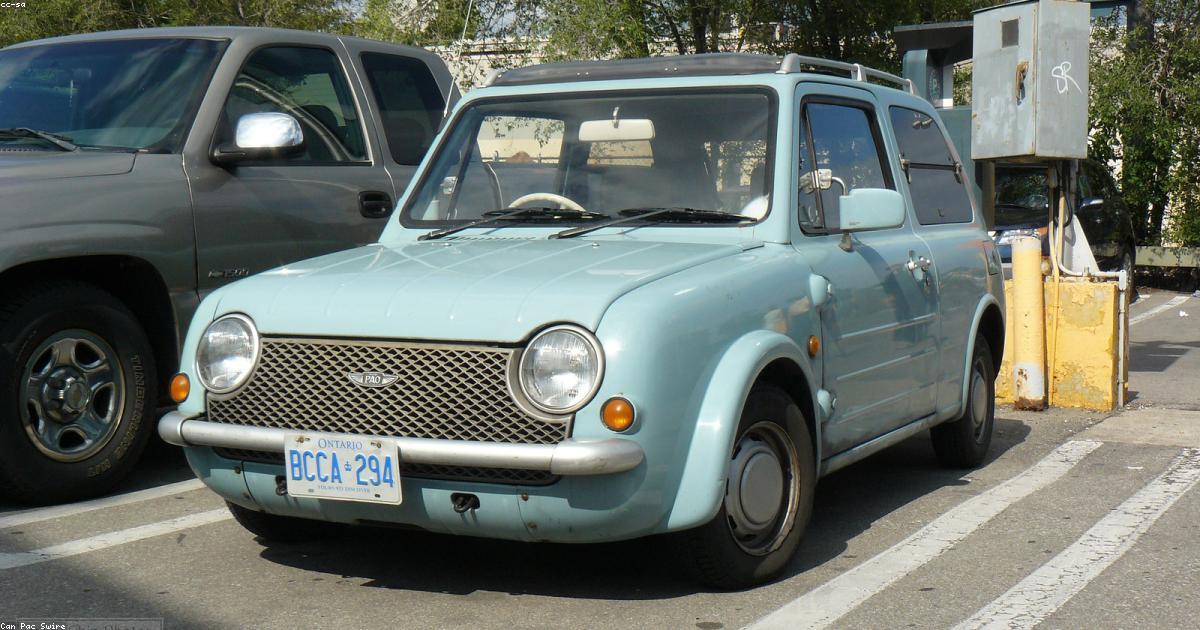
Importing a JDM car to Canada has become increasingly popular among enthusiasts seeking unique Japanese vehicles unavailable in North American dealerships. Whether you're dreaming of piloting an R34 Skyline GT-R, a classic AE86 Corolla, or a turbocharged Subaru Impreza WRX STi, understanding the legal framework, costs, and processes involved is essential before making this significant investment. This comprehensive guide walks you through everything you need to know about JDM imports and bringing your dream imported Japanese car across the Pacific.
Understanding Canada's Vehicle Import Regulations
Canada has strict regulations governing vehicle imports, administered primarily by Transport Canada and the Canada Border Services Agency (CBSA). Before considering importing Japanese cars, you must understand these foundational requirements that apply to all imported vehicles.
The 15-Year Rule
The most critical regulation for JDM imports is the 15-year rule. Vehicles must be at least 15 years old to qualify for importation into Canada. This means as of 2024, you can import vehicles manufactured in 2009 or earlier. This rule exists because older vehicles are exempt from certain federal emissions and safety standards that apply to newer models. A 1998 Honda Civic Type R (EK9) or a 2009 Nissan Silvia S15 would qualify, but a 2015 model would not.
Safety and Emissions Standards
Even though vehicles older than 15 years bypass certain new-vehicle regulations, they must still meet specific safety requirements. Your imported JDM car must pass a comprehensive inspection that verifies structural integrity, brake systems, lighting, seatbelt functionality, and airbag presence (if originally equipped). Emissions testing varies by province—Ontario and British Columbia have stricter standards than Prairie provinces.
- Federal safety inspection: Required before vehicle registration
- Provincial inspections: Additional requirements depending on your destination province
- Recall checks: Must verify the vehicle hasn't been subject to safety recalls
- VIN verification: Authentication of Vehicle Identification Number to prevent fraud
Documentation Requirements
Importing Japanese cars requires extensive paperwork. You'll need the original vehicle title or registration from Japan, a bill of sale, the vehicle's Japanese inspection certificate (Shaken), export documentation from Japan, and a declaration of import. Most importers hire customs brokers to handle documentation, typically costing CAD $500-$1,500.
Total Costs of Importing JDM Cars to Canada
The financial investment in JDM imports extends well beyond the purchase price of the vehicle itself. Understanding the complete cost structure helps you budget accurately for your imported Japanese car project.
Vehicle Purchase Price
JDM car prices vary dramatically based on model, condition, mileage, and rarity. A typical used imported Japanese car in Japan costs between ¥500,000 to ¥2,500,000 (USD $3,500-$18,000). Rare or high-performance vehicles command premium prices. For example, a clean 1994 Toyota Supra A80 with 80,000 kilometers might cost ¥1,200,000 (USD $8,500), while a sought-after R34 Skyline GT-R Nur Spec (BNR34) from 1999 could exceed ¥4,000,000 (USD $28,000).
Shipping and Logistics
Transporting your imported car from Japan to Canada represents a substantial expense. Container shipping from Japan to Vancouver or Toronto typically costs CAD $3,500-$6,000 per vehicle, depending on the port of destination and current shipping rates. Full container loads (LCL) are more economical if importing multiple vehicles but cost more per vehicle than consolidated shipments. This cost includes:
- Ocean freight from Japanese port to Canadian port
- Port handling and documentation fees
- Insurance during transit (recommended 2-3% of vehicle value)
- Inland transportation from port to your location
Customs and Border Fees
Canada impects duty on imported vehicles. Most used vehicles imported by individuals qualify for preferential tariff rates, but expect to pay approximately 6.1% of the vehicle's declared value in duty. Additionally, GST (5%) or HST (13-15% depending on province) applies to the total declared value plus freight costs. A CAD $10,000 vehicle with CAD $5,000 in shipping costs would incur roughly CAD $1,525 in total taxes and duties.
Inspection and Modifications
Your imported Japanese car must pass federal safety inspection (CAD $150-$400) and provincial inspection. Many JDM imports require modifications to meet Canadian standards, such as adding side-impact airbags, upgrading lighting systems to North American specifications, or repositioning fuel filler doors. Budget CAD $1,000-$5,000 for potential modifications, depending on what the vehicle lacks.
Import Agent Fees
Most people hire import specialists who handle procurement, shipping coordination, customs clearance, and compliance verification. These agents typically charge CAD $2,000-$5,000 or take a percentage of the vehicle purchase price (usually 8-15%). For first-time importers, this investment proves worthwhile—professionals navigate complex regulations and avoid costly mistakes.
Total Cost Example
Let's calculate the complete cost of importing a 2008 Subaru Impreza WRX STi (GRB) with a purchase price of ¥1,000,000 (approximately USD $7,000):
- Vehicle purchase: CAD $7,000
- Shipping and insurance: CAD $5,000
- Customs duty (6.1%): CAD $732
- GST/HST (13%): CAD $1,562
- Import agent fees: CAD $3,500
- Inspections and modifications: CAD $2,000
- Total estimated cost: CAD $19,794
Step-by-Step Process for Importing Japanese Cars
Successfully bringing an imported Japanese car to Canada requires careful planning and methodical execution. This section breaks down the complete process into manageable steps.
Step 1: Select Your Vehicle and Verify Import Eligibility
Research models available in Japan that interest you. Verify the vehicle is at least 15 years old, has a clear title, and hasn't been reported as salvage or stolen. Use Japanese automotive databases or work with an import agent to verify the vehicle's history. Check whether the vehicle is popular enough to have community support and available parts in Canada. A Nissan Skyline R34 (1999-2002) or Mitsubishi Lancer Evolution VIII/IX (2003-2006) have strong aftermarket communities, while more obscure models might present challenges finding replacement parts.
Step 2: Hire an Import Agent or Customs Broker
Unless you have significant import experience, hire a licensed customs broker or JDM import specialist. They handle procurement, shipping logistics, customs documentation, and ensure regulatory compliance. Interview multiple agents, ask for references, and verify they understand the specific regulations in your destination province. Costs typically range from CAD $2,000-$5,000 for complete service.
Step 3: Complete Purchase and Export Documentation
Once you've selected your vehicle, your agent will coordinate the purchase and obtain all necessary Japanese export documents. This includes the vehicle's Japanese registration (Jidousha Tourokushou), the odometer reading certificate, and export declaration (Genshajouhou). Japanese dealerships and auction houses provide these documents, but private sales require additional verification. Expect this process to take 2-4 weeks.
Step 4: Arrange Shipping
Your import agent will book ocean freight from a major Japanese port (typically Yokohama, Kobe, or Nagoya) to your destination Canadian port (Vancouver, Toronto, Montreal, or Halifax). Choose between consolidating your shipment with others (lower cost per vehicle) or booking dedicated container space (faster delivery, higher cost). Current shipping times average 14-21 days ocean transit, though total logistics from Japan to your location typically takes 4-8 weeks.
Step 5: Clear Customs and Handle Import Duties
Your customs broker submits all documentation to Canada Border Services Agency (CBSA) before the vehicle arrives. Upon arrival at the Canadian port, CBSA performs an inspection to verify vehicle details against documentation. You'll pay applicable duties, taxes, and port fees at this stage. Typically, the customs broker handles payments on your behalf, then invoices you for the total amount due.
Step 6: Vehicle Inspection and Compliance
Your imported Japanese car must pass Transport Canada's federal safety inspection. This inspection verifies VIN authenticity, structural integrity, brake and lighting systems, seatbelts, and other safety components. If modifications are required to meet Canadian standards, schedule these with a certified mechanic before the inspection. The federal safety inspection costs CAD $150-$400 and takes 1-2 business days.
Step 7: Provincial Registration and Inspection
After federal inspection, register your vehicle with your provincial government. Most provinces require additional vehicle inspection (emissions testing in Ontario and BC, mechanical inspection in others). Complete this registration to obtain license plates and insurance. Provincial registration typically costs CAD $150-$400 and is processed within 1-2 weeks.
Step 8: Arrange Insurance
Before driving your imported JDM car, you must carry valid insurance. Because imported Japanese cars are considered specialty vehicles, many standard insurers require additional underwriting. Specialist insurers familiar with JDM imports provide better rates. For a 1998 Nissan Skyline R34 GT-R, expect annual insurance premiums between CAD $1,500-$3,500 depending on driving record, coverage limits, and location.
Provincial Variations and Considerations
Popular JDM Models for Canadian Importers
Experience These JDM Legends in Person
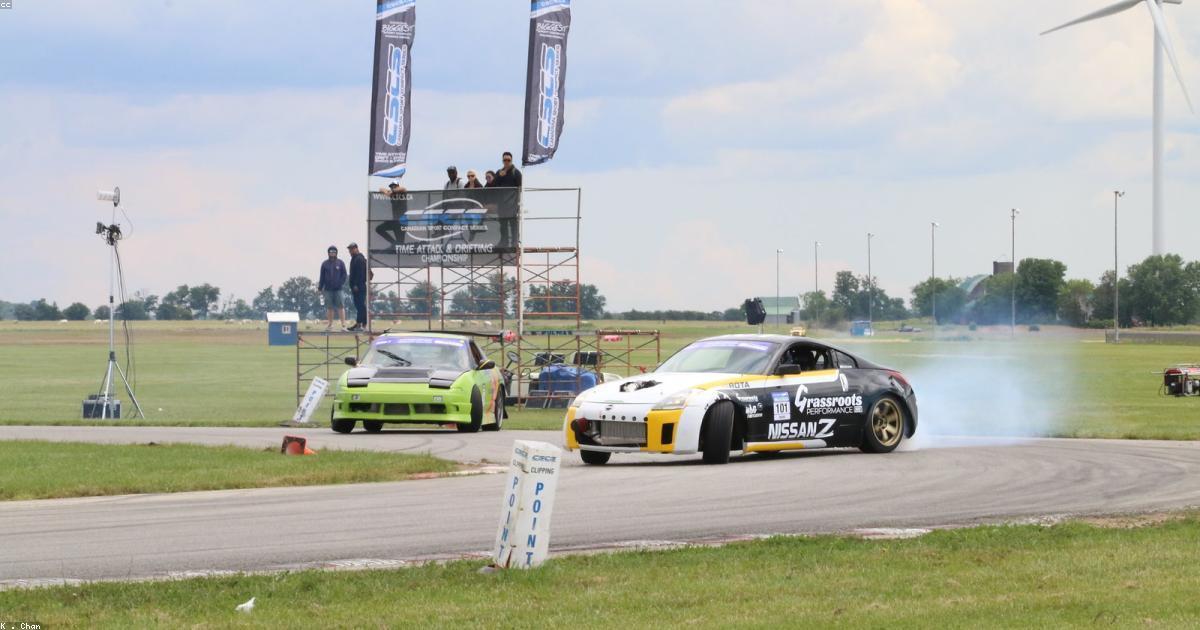
Before you buy, why not drive your dream JDM car through the streets of Tokyo? Samurai Car Japan offers exclusive JDM Night Tours where you can get behind the wheel of R34 GT-Rs, RX-7s, Supras, and more.
See these cars up close, feel their power, and make an informed buying decision. Many of our tour guests end up purchasing their dream JDM car after experiencing it firsthand!