Annual maintenance costs typically range $1,200-1,800 for well-maintained examples, covering consumables, fluid changes, and expected wear items. Major services including turbo servicing, timing belt replacement, and suspension component updates cost $2,000-4,500. Performance modifications range from $500-3,000+ depending on complexity and specification. Fuel economy averages 18-22 mpg combined depending on driving style and engine tune. Total ownership costs position WRX STI models among the most economical performance platforms available, particularly when compared against comparable European sports cars.
The Subaru Impreza WRX STI stands as one of the most iconic best JDM cars ever produced, commanding respect on both street and circuit since its debut in 1994. For enthusiasts seeking authentic JDM sports cars, the WRX STI represents the perfect intersection of engineering excellence, rally heritage, and accessible performance. Whether you're considering an import JDM cars purchase or simply want to understand why this horizontally-opposed legend captures the hearts of petrolheads worldwide, this comprehensive guide covers everything from the early GC8 generations through the turbocharged evolution that defined a era of Japanese automotive dominance.
The Genesis: Understanding the WRX STI Legacy
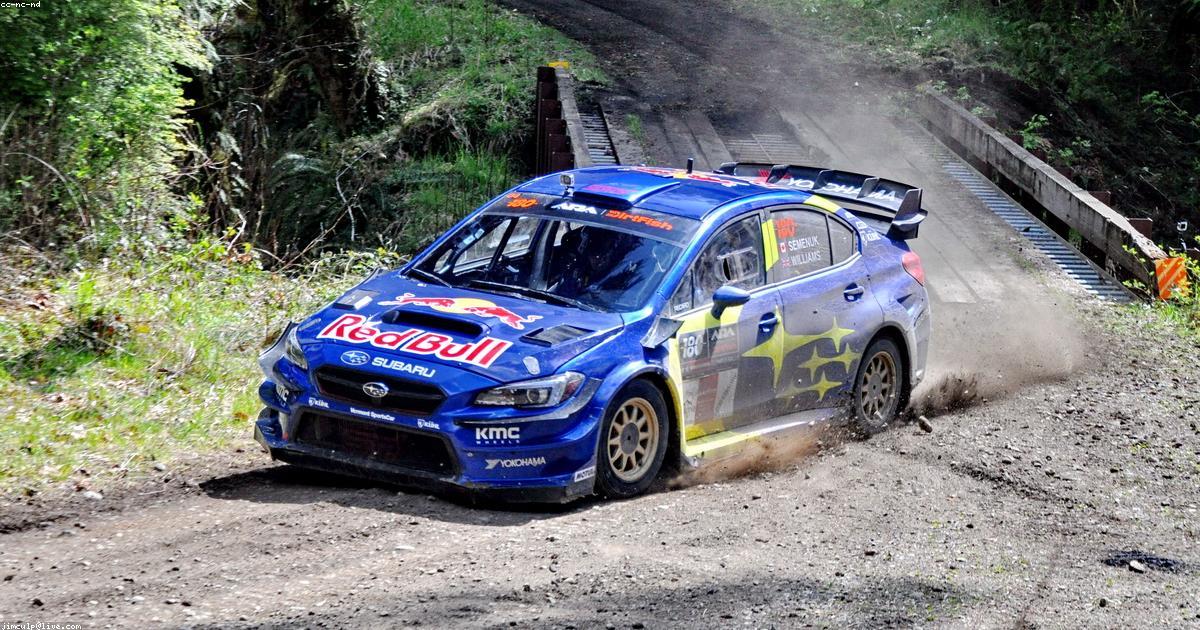
The Subaru Impreza WRX STI emerged from a singular vision: create a production car that could challenge world-class rally competitors while remaining accessible to performance enthusiasts. The STI designation—"Subaru Tecnica International"—represented Subaru's performance division, tasked with extracting maximum potential from the standard Impreza platform. When the first-generation GC8 launched in 1994, it carried a 2.0-liter EJ20 turbocharged engine producing 208 horsepower and 214 lb-ft of torque in early Japanese market specifications. This wasn't merely a cosmetic upgrade; the WRX STI represented a fundamental reimagining of what a compact performance sedan could achieve.
The significance of the WRX STI in the JDM sports cars landscape cannot be overstated. Unlike many Japanese performance cars that targeted exclusive markets or wealthy collectors, the WRX STI positioned itself as an attainable performance platform. With new prices starting around ¥2.8 million ($25,000-27,000 USD) in the mid-1990s, the WRX STI democratized serious performance engineering. This accessibility, combined with factory rally credentials and genuine engineering substance, elevated the WRX STI to legendary status within the global JDM community.
GC8 Generation (1994-2000): The Original Legend
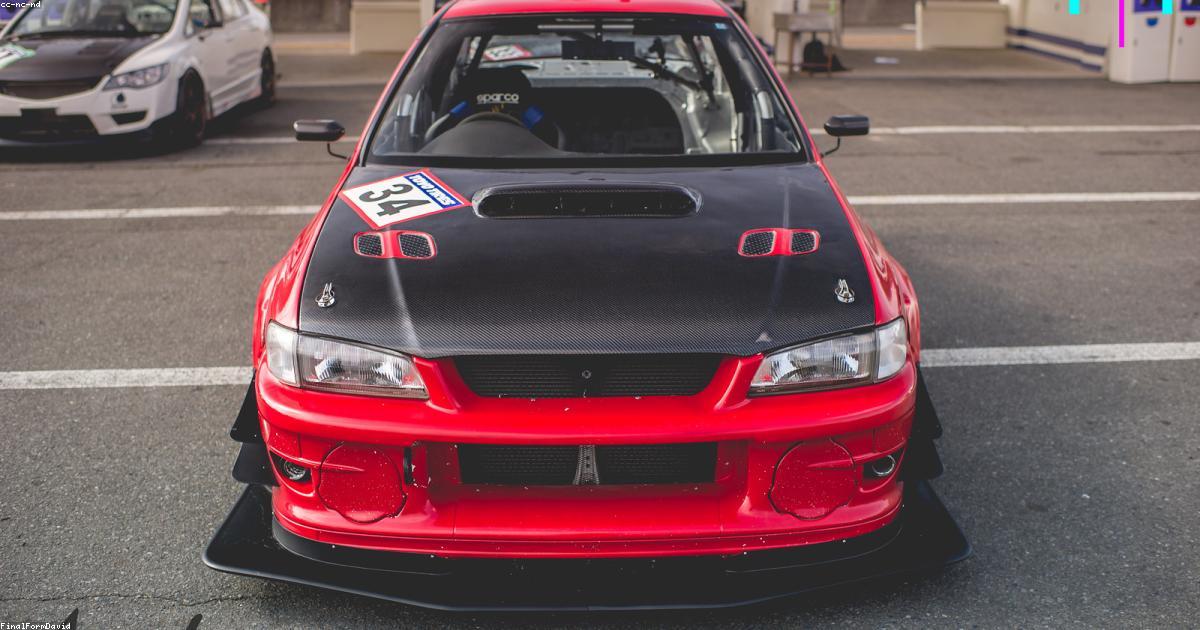
The GC8 platform defined the first-generation Impreza WRX STI and remains among the most celebrated best JDM cars for collectors and tuners alike. This generation introduced the iconic widebody aesthetic, featuring aggressive fender flares, a functional rear wing, and an aggressive front fascia that signaled serious intent. The GC8 chassis utilized a double-wishbone front suspension and multi-link independent rear setup, providing the dynamic foundation necessary for both road performance and rally competition.
GC8 Engine Specifications and Performance
The GC8's EJ20 turbocharged engine delivered remarkable performance for the era. Early models produced 208 horsepower, but later iterations, particularly Version IV and Version V models (1998-2000), achieved 280 horsepower in Japanese market specifications. The 2.0-liter displacement with 8.5:1 compression ratio and Hitachi RHF5 turbocharger provided instant response and sustained power delivery. Torque peaked at 260+ lb-ft from 3,600 to 5,200 RPM, enabling rapid acceleration and responsive handling characteristics that defined the driving experience.
- Engine Code: EJ20
- Displacement: 2.0L turbocharged
- Power Output: 208-280 horsepower (JDM models)
- Torque: 214-260+ lb-ft
- Compression Ratio: 8.5:1
- Turbocharger: Hitachi RHF5
- 0-60 mph: 4.8-5.2 seconds (280hp models)
- Top Speed: 150 mph (electronically limited)
GC8 Variants and Specifications
Throughout the GC8's production run, Subaru released numerous variants targeting different markets and customer preferences. The Version series progression (Version I through V) incrementally refined performance, addressing cooling, turbo response, and refinement. The GC8 WRX STI Type R dominated Japanese motorsport, while international markets received slightly detuned versions.
- GC8 Version I (1994-1995): 208 hp, 5-speed manual, 0-60 in 6.0 seconds
- GC8 Version II (1996): Improved intercooler, revised turbo, 220 hp
- GC8 Version III (1996-1998): Wider bodywork, 280 hp (JDM), improved suspension geometry
- GC8 Version IV (1998-1999): 280 hp, updated engine bay, refined handling
- GC8 Version V (1999-2000): Final evolution, 280 hp, comprehensive refinements
Current market values for well-maintained GC8 models range significantly based on condition, mileage, and specification. A clean Version III example commands $18,000-28,000 USD, while rare Type R variants or minimal mileage specimens exceed $35,000. Japanese domestic market examples with low kilometers consistently outprice equivalent North American imports, reflecting both collector demand and documentation confidence.

GDB Generation (2000-2007): The Evolution
The second-generation GDB Impreza WRX STI arrived in 2000, building upon the GC8's proven formula while introducing modern engineering advances. The GDB retained the beloved rally-inspired character but featured improved aerodynamics, refined interior appointments, and significantly enhanced powerplant capabilities. This generation solidified the WRX STI's position as one of the best JDM cars for drivers seeking both everyday usability and genuine performance credentials.
The GDB platform represented a more mature interpretation of Subaru's performance philosophy. Engineers incorporated lessons learned from countless rally victories, resulting in superior weight distribution, refined suspension geometry, and a more luxurious cabin that didn't sacrifice performance focus. The wider, more planted stance communicated confidence without appearing cartoonish, appealing to a broader demographic of performance enthusiasts.
GDB Engine Evolution and Power Increases
The GDB introduced the EJ207 engine, a significant evolution from the GC8's EJ20. This 2.0-liter turbocharged unit in Japanese specifications produced 280 horsepower and 291 lb-ft of torque across the entire production run. The EJ207 featured updated fuel injection, refined combustion chamber design, and improved cooling pathways that enabled sustained performance without derating. Unlike the GC8's more aggressive turbo characteristics, the GDB's EJ207 delivered more linear power delivery and refined operation at low RPMs.
- Engine Code: EJ207
- Displacement: 2.0L turbocharged
- Power Output: 280 horsepower (JDM, 2000-2007)
- Torque: 291 lb-ft (2000-2005), 297 lb-ft (2005-2007)
- Turbocharger: Garrett TB series
- 0-60 mph: 4.7 seconds (later models)
- Top Speed: 155 mph (electronically limited)
- Fuel Economy: 15-17 mpg city, 21-23 mpg highway
GDB Variants and Model Years
The GDB's seven-year production span introduced numerous variants and regional specifications. Japanese domestic market models generally produced more power than international versions, reflecting stricter emissions regulations in other territories. The Type RA and Type RA-R variants represented the ultimate track-focused interpretations, featuring stripped interiors, weight reduction, and exclusive aerodynamic components.
- GDB Series 1 (2000-2002): 280 hp, 5-speed manual, revised suspension
- GDB Series 2 (2002-2003): Improved steering responsiveness, refined shift linkage
- GDB Series 3 (2003-2005): 297 lb-ft torque, enhanced intake manifold
- GDB Series 4 (2005-2007): Updated styling, premium interior options, refined cooling
- Type RA (2004-2005): Lightweight, track-focused variant, 285 hp, 17-inch forged wheels
- Type RA-R (2006-2007): Ultimate factory performance iteration, minimal interior trim, 290 hp, carbon fiber components
Market valuations for GDB models have appreciated significantly in recent years. A clean 2003-2005 GDB STI example lists for $16,000-24,000 USD, while low-mileage Type RA specimens command $22,000-32,000. Exceptional examples with under 50,000 kilometers and complete service history consistently exceed initial valuations, reflecting strong collector demand for this import JDM cars platform.
Modern Evolution: GRB and Beyond (2008-Present)
The third-generation GRB Impreza WRX STI (2008-2014) introduced a fresh design aesthetic while maintaining the core performance DNA. Subaru incorporated modern safety standards, refined the power delivery characteristics, and expanded interior comfort without compromising the performance-oriented character. The GRB's 2.5-liter turbocharged engine represented significant displacement growth, producing 305 horsepower and 290 lb-ft of torque in North American specifications.
The fourth-generation VAB WRX STI (2014-2021) continued the evolution, featuring modern turbocharged technology, direct fuel injection, and sophisticated engine management systems. Contemporary examples deliver 310+ horsepower with dramatically improved efficiency and refinement. These newer generations, while not yet considered classics, represent the technological pinnacle of naturally-aspirated turbo performance from Japan's engineering masters.
Why the WRX STI Dominates JDM Sports Cars
The Subaru Impreza WRX STI's enduring popularity among JDM sports cars enthusiasts stems from several fundamental advantages. First, the horizontally-opposed boxer engine provides a low center of gravity that directly translates to superior handling characteristics and more engaging driving dynamics. Second, standard all-wheel drive with sophisticated limited-slip differentials delivers traction and stability that rear-wheel-drive competitors cannot match. Third, the rally heritage provides proven reliability; these engines regularly exceed 300,000 kilometers with proper maintenance, a testament to bulletproof engineering.
Buying Guide: What to Look for in a Used WRX STI
Acquiring a quality WRX STI requires understanding common wear patterns, potential failure points, and maintenance history indicators. These performance machines reward meticulous care but can present costly repairs if neglected. Before pursuing any import JDM cars purchase, conduct thorough mechanical inspection and verification of service records.
Critical Inspection Points
- Turbocharger Condition: Listen for abnormal whistling or grinding; request boost pressure readings under full throttle acceleration. Original turbos often exceed 150,000 kilometers, but rebuilt units should include warranty documentation.
- Engine Oil Consumption: Excessive oil consumption indicates turbo seal degradation or piston ring wear. Request recent oil analysis reports demonstrating normal wear metals.
- Transmission Synchronizers: GC8 and GDB models with over 120,000 kilometers may exhibit grinding on third-to-fourth shifts. Manual transmission rebuilds cost $2,500-4,000 USD.
- Suspension Bushing Wear: Worn bushings manifest as steering vagueness and increased road noise. Replacement kits cost $800-1,500 for complete suspension refresh.
- Differential Oil Level: Verify proper differential oil maintenance; conventional oil changes every 40,000 kilometers prevent internal wear. Limited-slip differentiator condition directly impacts handling precision.
- Fuel Pressure Regulator: Failing regulators cause rough idle and reduced power delivery. OEM replacements cost $400-600.
Service Records and Maintenance History
Comprehensive service documentation provides quantifiable evidence of proper stewardship. Request receipts for turbocharger services, transmission fluid changes, differential servicing, and coolant flushes. Original factory maintenance records from an authorized Subaru dealership carry significant weight in valuation. Examples with meticulous documentation command 10-15% premiums over equivalent vehicles with incomplete histories.
Typical ownership costs for maintaining a GC8 or GDB WRX STI average $1,200-1,800 annually, including consumables, maintenance fluids, and expected wear items. Performance upgrades and tuning modifications require additional expenditure but remain significantly cheaper than comparable European performance platforms, making the WRX STI exceptionally cost-effective for serious enthusiasts.
Tuning Potential and Customization
The WRX STI's engineering foundation supports dramatic performance increases while maintaining daily drivability. The EJ20 and EJ207 engines respond exceptionally well to boost elevation, intercooler upgrades, and exhaust optimization. Conservative tuning targeting 330-350 horsepower requires minimal internal modifications, while aggressive builds pursuing 400+ horsepower demand forged internal components, upgraded fuel systems, and professional engine management tuning.
The aftermarket support ecosystem for WRX STI models remains among the strongest of any best JDM cars platform. Vendors ranging from established manufacturers like HKS, Tomei, and Trust to boutique specialty houses offer everything from intake manifolds to complete engine builds. This availability ensures competitive pricing and ensures parts availability decades into the future—a significant advantage when considering long-term ownership and maintenance planning.
Experience These JDM Legends in Person
Before you buy, why not drive your dream JDM car through the streets of Tokyo? Samurai Car Japan offers exclusive JDM Night Tours where you can get behind the wheel of R34 GT-Rs, RX-7s, Supras, and more.
See these cars up close, feel their power, and make an informed buying decision. Many of our tour guests end up purchasing their dream JDM car after experiencing it firsthand!
Frequently Asked Questions About the Subaru WRX STI
How reliable are GC8 and GDB WRX STI models?
When properly maintained, WRX STI models demonstrate exceptional reliability. The EJ20 and EJ207 engines regularly exceed 200,000-300,000 kilometers with comprehensive service history. Most failures occur due to deferred maintenance rather than inherent design flaws. Regular oil changes every 5,000 kilometers, turbo servicing every 60,000 kilometers, and differential oil changes every 40,000 kilometers ensure longevity. Contemporary examples easily achieve 400,000+ kilometer lifespans with meticulous stewardship.
What is the actual horsepower of JDM versus international WRX STI models?
Japanese domestic market models consistently outpower international variants due to less restrictive emissions standards. GC8 JDM models produce 280 horsepower versus 208 hp for international versions. GDB JDM examples deliver 280-297 horsepower depending on model year, while North American variants produce 227-237 horsepower. This significant power differential, combined with authentic rally heritage and original specification maintenance, explains the premium valuations commanded by genuine JDM examples.
Are WRX STI models legal to import into the United States?
Federal regulations permit importing vehicles exceeding 25 years in age without EPA or DOT certification, provided they meet state-specific requirements. A 1999 GC8 STI (built in 1999) became federally legal for import in 2024. However, some states impose additional restrictions; California maintains stricter emissions standards that may complicate registration. Federal import permits, customs documentation, and professional shipping typically cost $4,000-7,000. Consult federal and state regulations before initiating import procedures.
Should I buy a GC8, GDB, or newer generation WRX STI?
This decision depends on priorities and intended use. GC8 models offer unmatched character, proven reliability, and have achieved classic status with strong collector appreciation. GDB variants represent optimal balance between classic charm and modern amenities, with values stabilizing at reasonable levels. Newer GRB and VAB generations deliver modern technology, comfort, and performance but command higher purchase prices and possess less established long-term value trajectories. First-time buyers often prefer GDB examples for their comprehensive feature sets and strong aftermarket support.
What are realistic ownership costs for a used WRX STI?
Annual maintenance costs typically range $1,200-1,800 for well-maintained examples, covering consumables, fluid changes, and expected wear items. Major services including turbo servicing, timing belt replacement, and suspension component updates cost $2,000-4,500. Performance modifications range from $500-3,000+ depending on complexity and specification. Fuel economy averages 18-22 mpg combined depending on driving style and engine tune. Total ownership costs position WRX STI models among the most economical performance platforms available, particularly when compared against comparable European sports cars.