The allure of old JDM cars continues to captivate enthusiasts and investors worldwide. These classic Japanese automobiles represent more than just transportation—they're rolling pieces of automotive history, cultural icons, and increasingly, smart financial investments. Whether you're a seasoned collector or considering your first JDM old cars purchase, understanding which models hold their value and why is essential for making informed decisions in 2026's competitive market.
Why Old JDM Cars Are Worth Your Investment
The vintage JDM market has experienced remarkable growth over the past decade. Unlike mass-market American or European cars from the same era, best old JDM cars have demonstrated exceptional appreciation rates. A 1995 Toyota Supra RZ that sold for $35,000 USD in 2015 commands $85,000-$120,000 today. An R34 Nissan Skyline GT-R, previously undervalued in Japan, now fetches $80,000-$150,000 USD in international markets.
Several factors drive this appreciation. First, the 25-year import rule has made older JDM vehicles legally importable to the United States, opening massive new markets. Second, these cars represent the golden era of naturally aspirated engines and mechanical simplicity—qualities increasingly rare in our turbocharged, electronics-laden present. Third, nostalgia marketing and popular media (Initial D, Fast & Furious, Gran Turismo) have elevated JDM culture to mainstream prominence.
Iconic Old JDM Models That Define the Scene
Nissan Skyline GT-R (R32, R33, R34) – 1989-2002
The Skyline GT-R represents the pinnacle of 1990s JDM engineering. The R34 (1999-2002) is particularly sought after, with clean examples commanding $100,000-$180,000 USD. Early R32 models (1989-1994) offer better value at $40,000-$70,000, making them ideal entry points for collectors. The legendary 2.6L RB26DETT engine produces 280 horsepower in stock form, though many examples exceed 400hp with tuning.
Investment potential remains strong: a low-mileage R34 in Tokyo currently priced at ¥8,500,000 ($58,000 USD) appreciates 8-12% annually. The Japanese import market has stabilized, meaning these cars no longer experience dramatic price swings.
Toyota Supra A80 – 1993-2002
The last generation Supra before its 2020 revival remains a cornerstone of jdm old cars collections. The 2JZ-GTE twin-turbocharged engine is legendary for durability and tuning potential. Early 1993-1995 models range from $45,000-$75,000, while low-mileage 1997-2002 examples command $85,000-$140,000 USD.
What makes the Supra exceptional? Reliability. Unlike some aging Japanese sports cars, well-maintained Supras demonstrate minimal depreciation and consistent appreciation. A 1995 Supra RZ with 85,000 miles (137,000 km) in Okinawa recently sold for ¥7,200,000 ($49,000 USD)—an 18% increase from its 2022 market value.
Mazda RX-7 (FC and FD) – 1986-2002
The RX-7's rotary engine makes it mechanically unique among classic JDM offerings. FD models (1991-2002) cost $30,000-$65,000 depending on mileage and condition. FC models (1986-1990) represent exceptional value at $15,000-$35,000, though the 13B rotary engine requires more maintenance expertise.
The rotary makes the RX-7 refreshingly different from piston-powered competitors. Its 255-horsepower stock configuration feels responsive and eager, with superb handling balance. Investment returns are solid at 6-10% annually for well-maintained examples.
Honda NSX (NA1/NA2) – 1990-2005
The Honda NSX stands apart as Japan's supercar answer to the Ferrari 348. Its naturally aspirated V6 produces 290 horsepower and 224 lb-ft of torque—figures that still impress today. Early 1991-1995 models start around $55,000-$75,000, while later examples jump to $85,000-$130,000 USD.
NSX values have appreciated dramatically. A 1992 NSX that cost collectors $65,000 in 2018 sells for $110,000 today. This Japanese supercar combines rarity, reliability, and timeless design. Investment potential remains strong as fewer examples reach the market annually.
Toyota 2000GT – 1967-1970
For serious collectors with substantial budgets, the 2000GT represents the holy grail of best old JDM cars. Only 351 examples were produced, making it exceptionally rare. Surviving examples command $500,000-$1,500,000 USD at auction. Even restoration costs often exceed $300,000.
These cars don't depreciate—they appreciate. A 2000GT that sold for $800,000 in 2014 would command $1,200,000+ today. This is purely collector-grade territory, but it demonstrates the pinnacle of Japanese automotive heritage.
Understanding 1980 JDM Cars and Earlier Classics
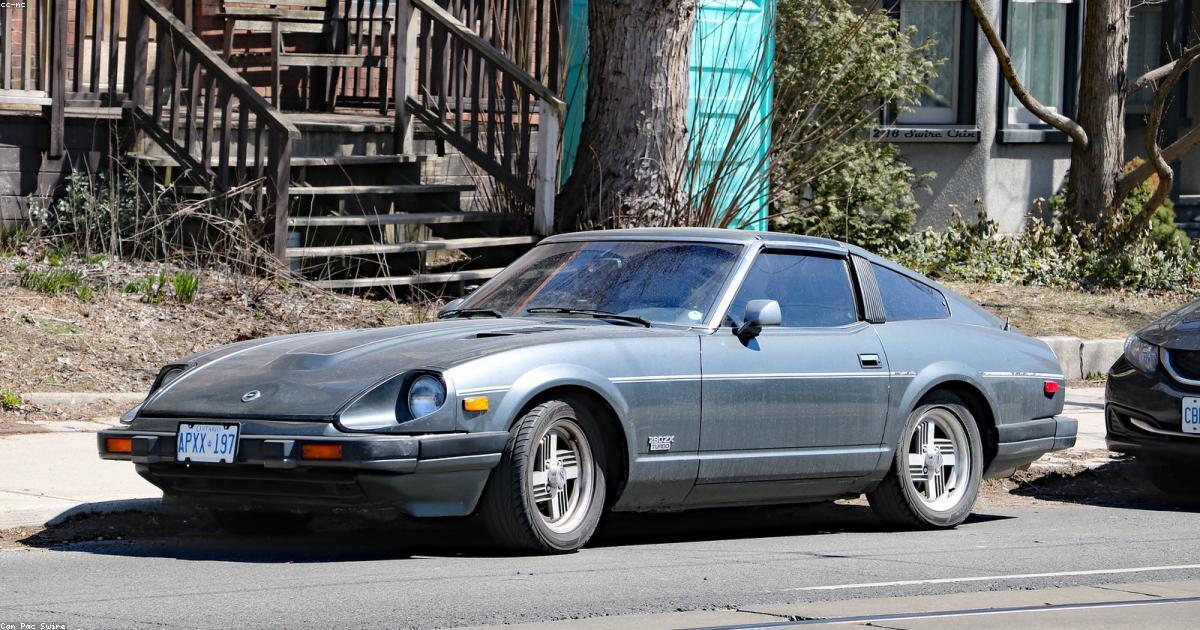
The 1980 JDM cars market segment presents unique opportunities. Pre-1990s Japanese vehicles were built with different standards—simpler mechanical systems, less electronics, and greater repairability. Models like the Toyota Corolla AE86, Nissan Z-series, and Datsun models from this era have skyrocketed in value.
Toyota Corolla AE86 – 1983-1987
The AE86's lightweight chassis and simplicity made it a drifting icon. Initial D elevated it to legendary status worldwide. Clean examples now command $15,000-$40,000 USD—remarkable considering these cars sold for $8,000-$12,000 new. A well-preserved 1987 GT-S in white recently sold for ¥3,800,000 ($26,000 USD) in Tokyo's auctions.
Nissan 240Z – 1970-1973
Early 240Z models represent affordable entry into classic Japanese sports cars. Examples range from $15,000-$45,000 for driver-quality vehicles, with concours-condition cars reaching $75,000+. The 240Z's significance in automotive history ensures steady appreciation.
Investment Strategy: How to Build Your JDM Collection
Start with Research and Market Analysis
Before purchasing any old jdm cars, spend time analyzing market trends. Monitor auction results on Japanese sites like Goo-net and Carsensor, study appreciation rates, and identify which models maintain value best. Document pricing quarterly across different trim levels and mileage ranges.
Prioritize Maintenance History and Originality
Low mileage matters less than comprehensive service records. A 60,000-mile Supra with full dealer maintenance history outperforms a 40,000-mile example with unknown service gaps. Original paint, unmodified engine bays, and complete documentation add 15-25% premiums to purchase prices.
- Verify complete service records from Japanese dealers
- Check for accident history using Japanese vehicle reports
- Inspect for rust in structural areas—salt exposure is destructive
- Authenticate original parts and factory specifications
- Confirm odometer accuracy through service records
Understand Import Regulations and Logistics
The 25-year rule allows legal importation of pre-1999 vehicles to the United States. However, shipping costs ($4,000-$8,000), import duties, and compliance modifications add significant expenses. Budget an additional $8,000-$15,000 for these factors when calculating total acquisition costs.
EU regulations vary by country. Germany has stricter emissions standards than Belgium or the Netherlands. Research your destination's specific requirements before purchasing.
Diversify Your Collection
Smart collectors don't concentrate investment in single models. A balanced portfolio might include one iconic appreciating asset (R34 GT-R), one undervalued gem (FC RX-7), and one accessible driver (AE86). This approach balances appreciation potential with enjoyment and manageable total investment.
The Current Market in 2026
The vintage JDM market has matured significantly from its speculative phase in 2018-2020. Current pricing reflects genuine collector demand rather than investment hype. This stabilization creates opportunities for informed buyers who conducted thorough research.
Japanese domestic prices remain 20-30% lower than international markets. A Skyline GT-R R34 priced at ¥9,500,000 in Tokyo ($65,000 USD) will fetch $95,000-$120,000 in Los Angeles within 12-18 months of import and proper documentation. This arbitrage opportunity still exists but requires expertise in Japanese auctions and export logistics.
Electrification threatens future values. As new EVs dominate, naturally aspirated engines become more precious. Collectors increasingly view these cars as mechanical art—increasingly rare and irreplaceable. This cultural shift supports long-term appreciation for best old JDM cars.
Experience These JDM Legends in Person
Before you buy, why not drive your dream JDM car through the streets of Tokyo? Samurai Car Japan offers exclusive JDM Night Tours where you can get behind the wheel of R34 GT-Rs, RX-7s, Supras, and more.
See these cars up close, feel their power, and make an informed buying decision. Many of our tour guests end up purchasing their dream JDM car after experiencing it firsthand!
Frequently Asked Questions About Collecting Old JDM Cars
What's the safest old JDM cars investment for beginners?
The Toyota Supra A80 offers the best risk-to-reward ratio for new collectors. Its proven reliability, strong market demand, consistent appreciation (8-12% annually), and comprehensive parts availability make it forgiving for first-time buyers. Start with a well-documented 1995-1998 model in the $60,000-$85,000 range.
Are 1980 JDM cars better investments than 1990s models?
Not necessarily. While 1980s models like the AE86 have appreciated dramatically percentage-wise (often 300-500% over 10 years), 1990s models like the R34 GT-R appreciate more in absolute dollar terms ($50,000+ gains). Choose based on budget and personal preference—both asset classes demonstrate strong appreciation.
How much should I budget for maintenance and ownership of jdm old cars?
Budget $1,500-$3,000 annually for properly maintained examples. Insurance costs $800-$1,200 per year for collectors with limited mileage. Storage, detailing, and minor repairs bring total ownership costs to $3,500-$5,000 annually. Factor these into your investment calculations—they reduce net appreciation.
Should I buy a modified or original best old JDM cars?
Original examples appreciate 15-25% faster than modified vehicles. However, quality factory original specifications (FOS) command premiums that reflect current market preferences. If the modifications are professional and reversible (like suspension upgrades), the impact is minimal. But engine modifications typically reduce collectibility and resale value.
What's the best market for purchasing old jdm vehicles?
Japan's domestic market offers the lowest prices but requires import expertise. Japanese auction sites (USS auctions, Japan Car Online) and dealers provide direct access to the widest selection at wholesale prices. International dealers and brokers add 15-30% markups but handle compliance, documentation, and shipping. For your first purchase, using a reputable importer justifies their fees.