The Toyota Supra stands as one of the most iconic best JDM cars ever produced, representing the pinnacle of Japanese automotive engineering and performance. Whether you're hunting for a classic A80 (1993-2002) or the modern A90 (2019-present), this comprehensive buyer's guide will equip you with the knowledge needed to make an informed purchase decision. The Supra's legendary status in the JDM sports cars community makes it both a coveted collector's item and a thrilling daily driver option.
The A80 Supra: The Golden Era of JDM Performance
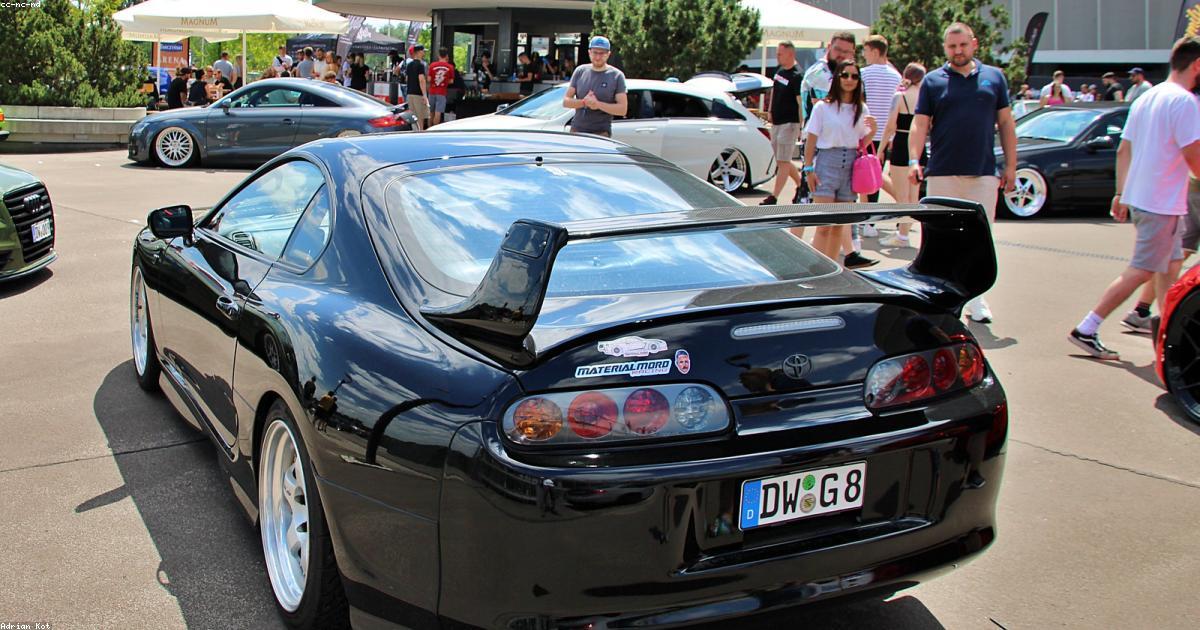
The fourth-generation A80 Supra, produced from 1993 to 2002, represents the absolute apex of 1990s Japanese performance engineering. This generation catapulted the Supra into legendary status within the JDM sports cars community and continues to dominate the collector and enthusiast market today. The A80's twin-turbocharged 2JZ engine became the defining powerplant for a generation of speed enthusiasts worldwide.
A80 Engine Options and Performance Specifications
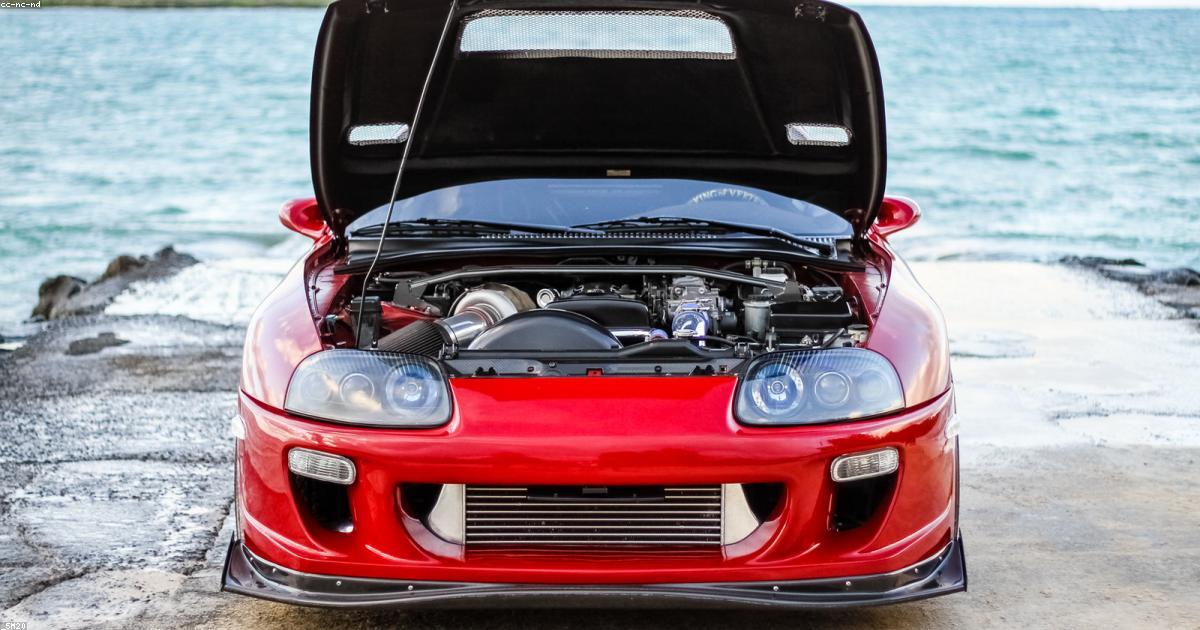
The A80 Supra offered two primary engine configurations in the Japanese domestic market. The most coveted version featured the legendary 2JZ-GTE twin-turbocharged inline-six engine, displacing 3.0 liters and producing 320 horsepower and 315 lb-ft of torque from the factory. However, the real magic of the 2JZ-GTE lies in its legendary bottom-end strength and aftermarket potential—many examples have been tuned to produce 500+ horsepower reliably.
For those seeking a more affordable entry point into A80 ownership, Toyota also offered the naturally-aspirated 2JZ-GE engine, which delivered a respectable 220 horsepower. While lacking the turbocharged performance of its counterpart, the 2JZ-GE remains a robust and dependable engine suitable for street driving and moderate modifications.
- 2JZ-GTE Twin-Turbo: 320 hp, 315 lb-ft torque, 0-60 mph in approximately 4.6 seconds
- 2JZ-GE Naturally-Aspirated: 220 hp, 210 lb-ft torque, 0-60 mph in approximately 6.5 seconds
- Transmission: 6-speed manual (A80M) or 4-speed automatic (A80A)
- Curb Weight: 1,330 kg (2,933 lbs) for manual transmission models
- Top Speed: 260 km/h (162 mph) electronically limited
A80 Supra Pricing and Market Values (2024-2025)
The pricing for A80 Supras has escalated dramatically over the past five years as collectors recognize their investment potential. Current market values depend significantly on mileage, condition, service history, and modification status:
- Low-mileage 2JZ-GTE models (under 80,000 km): ¥8,500,000 - ¥12,000,000 ($58,000 - $82,000 USD)
- Average condition 2JZ-GTE (80,000-150,000 km): ¥5,500,000 - ¥8,000,000 ($37,000 - $55,000 USD)
- 2JZ-GE naturally-aspirated models: ¥3,500,000 - ¥5,500,000 ($24,000 - $37,000 USD)
- Modified or high-performance examples: ¥12,000,000+ ($82,000+ USD)
Critical Inspection Points for A80 Buyers
Purchasing a 20+ year-old A80 Supra requires meticulous inspection to avoid costly surprises. These Japanese JDM cars have aged well mechanically, but certain components demand particular attention:
- Turbo Health: Listen for abnormal whining or whistling sounds indicating bearing wear. Verify service records showing regular oil changes (critical for turbo longevity)
- Transmission Condition: Manual transmissions should shift smoothly without grinding. Test the clutch engagement point—wear is normal but excessive travel indicates replacement needs
- Cooling System: The A80 can suffer from coolant leaks around the water pump gasket. Inspect for green residue and request cooling system pressure test results
- Fuel System: Rubber fuel hoses degrade over time. Verify replacement with quality silicone alternatives if original components remain
- Electrical Systems: Aging electronics can cause dashboard warning lights and battery drain issues. Test all electrical components thoroughly
- Paint and Bodywork: Check for evidence of previous accidents by examining panel gaps and paint thickness variations
The A90 Supra: Modern Performance Meets JDM Heritage
After a 17-year hiatus, Toyota resurrected the Supra nameplate in 2019 with the fifth-generation A90 model. This modern interpretation marks a significant departure from the iconic A80, featuring a shared platform with the BMW Z4 and emphasizing contemporary technology alongside performance. While not purely a Japanese JDM cars product (due to collaborative development), the A90 remains available in Japanese markets and represents the evolution of the Supra lineage.
A90 Engine Specifications and Performance
The A90 Supra employs a single-turbo 3.0-liter inline-six derived from BMW's engine family, producing 335 horsepower and 365 lb-ft of torque. This turbocharged powerplant enables impressive acceleration figures—0 to 60 mph in approximately 3.9 seconds with an electronic top speed of 155 mph (limited).
- Engine: 3.0L turbocharged inline-six (B58B30O1)
- Horsepower: 335 hp at 5,000-6,500 rpm
- Torque: 365 lb-ft at 1,600-4,500 rpm
- Transmission: 8-speed automatic (ZF 8HP)
- Curb Weight: 1,398 kg (3,080 lbs)
- 0-60 mph: 3.9 seconds
- Fuel Economy: Approximately 23 mpg combined (EPA)
A90 Supra Pricing and Value Proposition
The A90 Supra represents a different value equation compared to collectible A80 models. New A90 pricing starts at approximately $43,190 USD for the base 3.0 model, while loaded variants with premium packages command prices near $52,000 USD. Used 2019-2022 models now trade in the $38,000-$45,000 range depending on mileage and condition.
- 2019-2021 Base Model: ¥4,800,000 - ¥5,500,000 ($32,000 - $37,000 USD)
- 2022-2024 Premium Edition: ¥6,200,000 - ¥7,200,000 ($42,000 - $49,000 USD)
- New A90 Supra (2024-2025): ¥6,400,000 - ¥7,500,000 ($43,000 - $51,000 USD)
A90 Reliability and Ownership Considerations
As a relatively modern vehicle with contemporary technology, the A90 Supra offers substantially different ownership requirements compared to the classic A80. The warranty coverage typically spans 3 years or 36,000 miles for the base vehicle, with powertrain coverage extending to 5 years or 60,000 miles.
The turbocharged B58 engine demonstrates solid reliability when serviced according to Toyota's maintenance schedule, particularly with synthetic oil changes at 10,000-mile intervals. The ZF 8-speed automatic transmission has proven robust in various applications, though early 2019-2020 model year examples should be evaluated carefully.
- Routine Maintenance Costs: $500-$800 annually for oil changes and filters
- Tire Replacement: Michelin Pilot Sport 4S tires (225/40R18) cost $250-$350 each
- Brake Service: Expect $800-$1,200 for rotors and pads (both axles)
- Insurance: Average comprehensive + collision coverage: $1,200-$1,800 annually
A80 vs. A90: Which Supra Should You Buy?
Deciding between an A80 and A90 Supra depends entirely on your priorities, budget, and intended use. The A80 represents a genuine classic among best JDM cars—appreciating in value, offering raw mechanical engagement, and delivering authentic 1990s performance heritage. The A90 provides modern convenience, warranty coverage, and contemporary performance in a refined package.
- Choose the A80 if: You prioritize investment appreciation, desire authentic JDM sports cars character, enjoy hands-on mechanical engagement, and possess patience for older vehicle quirks
- Choose the A90 if: You value warranty coverage, modern technology, daily driving practicality, and prefer proven reliability with minimal surprises
Import Considerations for International Buyers
- United States: A80 Supras qualify for importation under the "25-year rule," allowing vehicles manufactured before January 1999 to be imported without meeting current EPA and DOT regulations. Models 1999 and newer require compliance with emissions and safety standards
- European Union: Similar age-based exemptions apply; vehicles over 40 years old face minimal regulatory barriers
- Australia: Permits importation of vehicles meeting domestic ADRs; many right-hand-drive A80 Supras find their way to Australian enthusiasts
- Shipping Costs: Expect ¥500,000-¥800,000 ($3,400-$5,500 USD) for ocean freight from Japan to North America
Modification and Customization Potential
- Turbocharger Upgrades: HKS, Garrett, and Precision turbochargers enabling 400+ hp safely
- Fuel System Modifications: Upgraded injectors and fuel pump for stable tuning at higher outputs
- Engine Management: Haltech, AEM, and Sard standalone ECUs offering precise boost and timing control
- Suspension Upgrades: Coilover systems from JDM brands like HKS, Cusco, and TRD improving handling dynamics
- Aerodynamic Enhancements: OEM Toyota parts (TRD package) or aftermarket widebody kits for visual impact
Experience These JDM Legends in Person
Before you buy, why not drive your dream JDM car through the streets of Tokyo? Samurai Car Japan offers exclusive JDM Night Tours where you can get behind the wheel of R34 GT-Rs, RX-7s, Supras, and more.
See these cars up close, feel their power, and make an informed buying decision. Many of our tour guests end up purchasing their dream JDM car after experiencing it firsthand!