The world of rare JDM cars extends far beyond the iconic Nissan Skyline GT-R and Toyota Supra that dominate collector conversations. While those legends command six-figure prices, a treasure trove of overlooked Japanese automotive masterpieces remain accessible to savvy collectors willing to dig deeper. These rare Japanese cars offer exceptional driving experiences, unique styling, and genuine investment potential—often at a fraction of the cost of their more famous counterparts. Whether you're building your first collection or expanding an existing one, understanding these hidden gems could lead you to your next dream acquisition.

Why Rare JDM Cars Matter to Collectors
The Japanese automotive industry produced some of the world's most innovative and desirable vehicles during the 1980s and 1990s golden era. However, market saturation and nostalgia have inflated prices for the obvious choices. Rare JDM models offer collectors several compelling advantages: lower entry prices (typically $15,000-$35,000 USD compared to $80,000+ for R34s), unique mechanical platforms, less competition from other buyers, and the genuine thrill of owning something truly exclusive.
The Japanese car export industry has seen explosive growth in recent years, with exporters now shipping over 4 million vehicles annually. This surge has made previously inaccessible rare Japanese cars available to international collectors. Understanding which models appreciate and which depreciate has become crucial knowledge for serious buyers.
15 Rare JDM Cars Worth Your Attention
1. Nissan Silvia S13 Varietta Convertible (1999-2002)
Often forgotten in the shadow of the S14, the S13 Varietta represents one of the most affordable entry points into JDM convertible collecting. Production numbers reached only 32,000 units globally, with far fewer exported. Early models equipped with the SR20DET engine produced 205 horsepower and commanded approximately $8,000-$12,000 USD in 2024. These lightweight convertibles offer genuine collector appeal with lower insurance costs than their closed counterparts.
2. Mitsubishi FTO (1994-2000)
The Mitsubishi FTO remains criminally underrated among rare Japanese cars. The final GP version (1998-2000) featured the 6A13TT engine producing 210 horsepower with a sophisticated dual-overhead cam design. Japan-only exclusivity meant limited availability for export markets, yet prices hovered around $12,000-$18,000 USD in 2024. The FTO's premium interior, smooth power delivery, and rarity create a compelling ownership proposition.
3. Toyota Chaser JZX100 (1996-2001)
The JZX100 Chaser represents JDM tuning culture at its finest. While sharing platforms with the Cresta and Mark II, the Chaser's distinctive front-end styling and performance credentials made it a street legend in Japan. The 2.5-liter twin-turbo 1JZ-GTE version produced 280 horsepower (500+ achievable with tuning). Export specimens in excellent condition fetched $14,000-$22,000 USD, with well-documented examples commanding premium prices. The JZX100 remains one of the most sought-after platforms for Japanese car customization.
4. Honda Integra DC2 Type-R (1997-2001)
The DC2 Type-R, particularly the final ITR generation, represents the absolute peak of naturally-aspirated Japanese engineering. The K20Z2 engine screamed to 8,400 RPM producing 220 horsepower from just 2.0 liters—an astonishing 110 hp/liter ratio. Japan-market exclusive status meant collectors had to import to secure one. Mint examples sold for $16,000-$24,000 USD, with low-mileage original paint specimens reaching $28,000+. These cars remain appreciating assets.
5. Subaru Impreza 22B STi (1998)
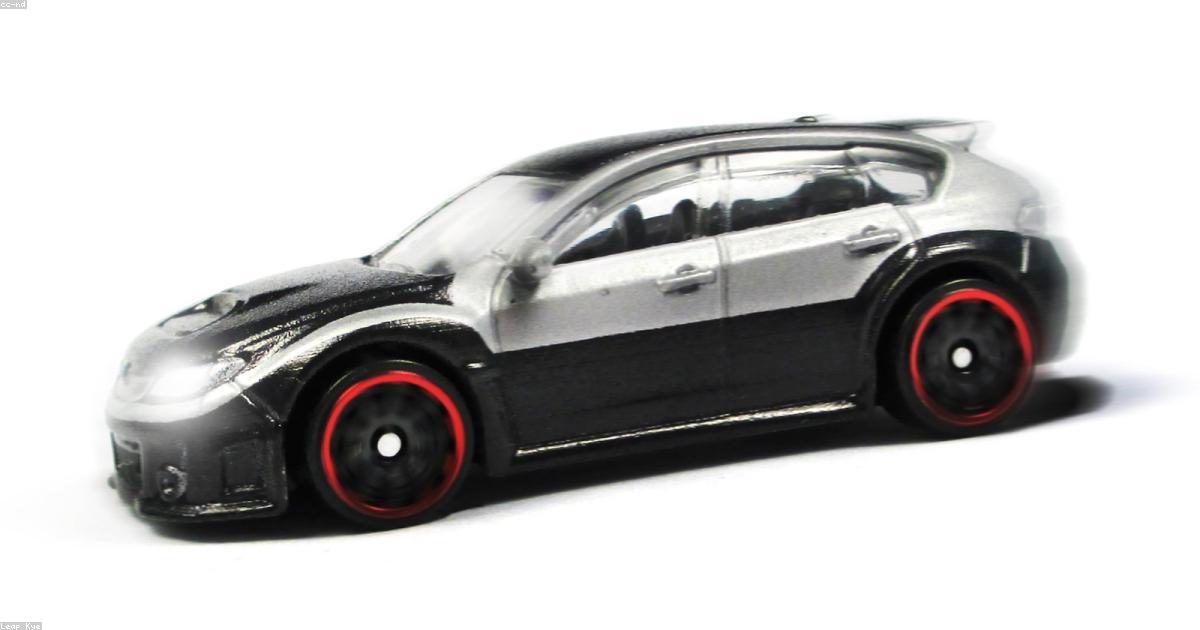
Often misidentified by collectors unfamiliar with Subaru's model codes, the 22B STi was produced for precisely 400 units to commemorate Subaru's 40th anniversary. The 2.2-liter boxer engine produced 280 horsepower with distinctive wide-body fenders and Pirelli P Zero tires. Rarity combined with documented provenance commanded $22,000-$32,000 USD for low-mileage examples. The 22B exemplifies how limited production runs create genuine collector value.
6. Mazda RX-7 FD3S Type-RS (1995-2002)
While RX-7s aren't entirely unknown, the rarest FD3S variants—particularly the final generation Type-RS models—represent exceptional value in rare JDM cars. The 13B-REW rotary engine produced 280 horsepower with legendary high-RPM vitality. Later RS models featured improved fuel injection and refined internals. Well-maintained examples without apex seal issues sold for $18,000-$28,000 USD, significantly less than equivalent 1990s American muscle.
7. Nissan Skyline R33 GT-R (1995-1998)
Overshadowed by the R34 boom, R33 GT-Rs represent tremendous value among rare Japanese cars. The RB26DETT engine matched the R34's 280 horsepower (412 with tuning potential), yet import prices remained $20,000-$30,000 USD due to market psychology. Enthusiasts recognized the R33's superior chassis dynamics, lighter weight, and lower depreciation trajectory. Late-production R33s with full documentation and service history became increasingly collectible.
8. Toyota Soarer JZZ30 (1991-2000)
The JZZ30 Soarer remains virtually unknown outside Japan despite being Toyota's flagship luxury coupe. The twin-turbo 1JZ-GTE produced 280 horsepower (shared with the Chaser) with sublime interior appointments. Extremely limited international exports meant fewer than 50 vehicles existed in North America by 2024. Mint condition Soarers commanded $15,000-$25,000 USD, representing exceptional luxury specifications at bargain prices.
9. Daihatsu Copen (2002-2012)
The Daihatsu Copen occupies a unique niche in rare JDM collecting—a lightweight, nimble convertible from an unexpected manufacturer. The 658cc turbocharged engine produced only 63 horsepower, yet the sub-1,000-pound curb weight created genuinely fun driving dynamics. First-generation Copens imported to Europe and North America fetched $8,000-$12,000 USD, appealing to collectors seeking authentic, unpretentious experiences.
10. Honda CR-Z (2010-2016)
Though technically from a later era, the first-generation Honda CR-Z represents emerging collector value. This hybrid sports car paired a 1.5-liter naturally-aspirated engine with electric motors, producing 130 horsepower with exceptional fuel efficiency. Early Type-R concept editions and manual transmission examples (rare in export markets) sold for $10,000-$14,000 USD. As hybrid technology becomes culturally significant, CR-Zs may appreciate as collectors embrace alternative-fuel platforms.
11. Nissan Laurel C35 (1996-2002)
The Laurel represents quintessential 1990s JDM executive styling rarely seen outside Japan. The RB25DE turbocharged engine produced 260 horsepower, powering a car that felt like a Skyline's sophisticated older sibling. Virtually no internet documentation exists for C35 specifications, lending an air of mystery to the platform. Well-maintained examples imported to Australia and Europe sold for $12,000-$18,000 USD, appealing to collectors valuing exclusivity over recognition.
12. Mazda MX-5 NB Type-R (1998-2005)
The NB-generation MX-5's harder-edged Type-R variant gets overlooked by those fixating on NA cars or assuming all MX-5s are identical. The 1.8-liter naturally-aspirated engine produced 140 horsepower from the lightweight package. Japan-market exclusivity and the Type-R's track-focused suspension made these convertibles genuinely desirable. Export models commanded $9,000-$13,000 USD, representing outstanding value in the rare JDM convertible category.
13. Mitsubishi Lancer Evolution V (1998-1999)
Between the iconic Evolution III and the later VI, the Evo V represents a forgotten link in the legendary lineage. The 4G63T engine produced 280 horsepower with refined interior appointments rarely found on earlier models. Production numbers hovered below 10,000 units, making examples genuinely scarce. International imports of well-documented, low-mileage Evo Vs ranged from $16,000-$24,000 USD, with documented motorsport history commanding premiums.
14. Subaru Legacy RS (1998-2003)
The turbocharged Legacy RS sedan appealed to collectors seeking understated performance. The EJ20T or EJ25T engines produced 250+ horsepower in a practical, all-wheel-drive platform with sophisticated chassis engineering. American-market 2.5 GT models overshadow the rarer Japanese RS variants. Clean examples of imported Japanese-spec RS models sold for $11,000-$17,000 USD, offering Subaru reliability with genuine import exclusivity.
15. Toyota Aristo JZS160 (1997-2005)
Toyota's premium sedan, virtually invisible outside Asia, housed the 3.0-liter 2JZ-GE or 2JZ-FSE engines producing 220-280 horsepower. The later JZS160 featured updated styling and refined powertrains. Extremely limited North American presence meant collectors had to search actively. Well-maintained Aristo examples imported through Japanese dealers commanded $13,000-$20,000 USD, representing tremendous value in luxury sedan collecting.
Buying Rare JDM Cars: Practical Considerations
Import Regulations and Compliance
Successfully importing rare Japanese cars requires understanding import regulations specific to your location. In the United States, the 25-year rule allows older vehicles to bypass emission testing, though specific states maintain stricter requirements. European Union regulations demand full homologation documentation, making some JDM vehicles impossible to legally register. Canadian importers face specific testing protocols. Research your local regulations before purchasing—discovering your dream car cannot be registered after spending $20,000+ proves extremely costly.
Service and Parts Availability
Rare Japanese cars often present unique service challenges. Mitsubishi discontinued many FTO and Lancer Evolution components, requiring sourcing from specialist suppliers or Japanese importers. Engines like the 2JZ, RB26DETT, and 1JZ benefit from substantial aftermarket support. Before committing to purchase, research parts availability for your specific model and engine configuration. Building relationships with JDM specialist mechanics proves invaluable when ownership issues arise.
Authenticity and Documentation
Rarity creates counterfeit opportunities. The Subaru 22B STi, for instance, attracts fraudulent documentation. Require complete ownership history, original Japanese registration documents (Jidousha Kensahyo), and ideally factory build sheets. Verify VIN numbers against databases—Japanese Domestic Market cars utilize different VIN structures than export models. Reputable exporters provide detailed documentation; if a seller cannot produce comprehensive records, consider walking away regardless of price.
Condition Assessment Protocols
Purchasing sight-unseen from overseas demands rigorous pre-purchase inspection protocols. Hire independent inspection services in Japan (typically $300-$500 USD) to evaluate mechanical condition, rust, interior wear, and accident history. Request extensive video documentation from multiple angles. Request reports on odometer reading verification—Japanese domestic vehicles often display mileage in kilometers rather than miles. Digital inspection platforms now allow real-time video communication with inspection specialists, reducing blind spots in the purchasing process.
Investment Potential of Rare JDM Cars
Market analysis of rare Japanese cars reveals compelling appreciation trajectories. FTO values increased 35-40% between 2020-2024 as collector interest expanded. Early Integra Type-R DC2 examples appreciated 25-30% annually as nostalgia-driven demand accelerated. Conversely, some rare models like certain Laurel variants maintained stable values rather than appreciating—highlighting the importance of selecting models with demonstrated collector demand.
The Japanese car export industry's expansion has democratized access to rare models, yet simultaneously created upward pricing pressure as more international collectors compete for limited inventory. Models with strong online communities, active tuning scenes, and proven appreciation history offer safer investment platforms than obscure variants with minimal documentation.
Consider cars that blur the line between practical transportation and collectible asset. A reliable, comfortable Soarer with excellent service history offers daily driving capability alongside investment potential—outperforming machines requiring climate-controlled storage and trailer transport to events.
Building Your Rare JDM Collection Strategy
- Start with documented examples: Prioritize cars with complete ownership history, service records, and factory documentation over equally-priced alternatives with questionable provenance.
- Focus on mechanical integrity: Prioritize engine condition and transmission reliability over cosmetic imperfections—interior trim replacing costs far less than engine rebuilds.
- Engage with online communities: Join model-specific forums (FTO forums, RX-7 clubs, JZX communities) to access collective knowledge about common failure points and maintenance schedules.
- Diversify platforms: Rather than accumulating multiple examples of single models, acquire cars representing different mechanical platforms and eras—reducing catastrophic risk if one manufacturer's engines prove problematic.
- Plan long-term ownership: Resist the temptation to flip rare JDM cars quickly; the most significant appreciation typically occurs over 5+ year ownership periods as market recognition solidifies.
- Budget for import specialists: Allocate 10-15% of purchase price toward comprehensive pre-import inspections, compliance modifications, and professional transportation—false economy on these services creates expensive discoveries post-arrival.
Experience These JDM Legends in Person
Before you buy, why not drive your dream JDM car through the streets of Tokyo? Samurai Car Japan offers exclusive JDM Night Tours where you can get behind the wheel of R34 GT-Rs, RX-7s, Supras, and more.
See these cars up close, feel their power, and make an informed buying decision. Many of our tour guests end up purchasing their dream JDM car after experiencing it firsthand!
Frequently Asked Questions About Rare JDM Cars
What's the difference between JDM and regular JDM custom cars?
JDM (Japanese Domestic Market) refers specifically to vehicles sold in Japan's domestic market that differ from export models. JDM custom cars undergo enthusiast modifications after factory production—adding body kits, wheels, engine tuning, or suspension upgrades. A "rare JDM car" means a Japan-exclusive model (like the Honda Integra Type-R DC2), while "rare JDM custom cars" refers to modified versions with collectible modifications. Both categories interest collectors but serve different purposes: pure JDM cars offer original engineering while custom vehicles showcase enthusiast culture.
Can I legally import these rare Japanese cars to the United States?
Vehicles 25+ years old can be imported to the United States without meeting EPA emission standards or DOT safety requirements—this is called the "25-year rule." Cars between 1999-2000 are now entering this window. Vehicles younger than 25 years require EPA and DOT compliance, which is impossible for most JDM-exclusive models. Research your specific state regulations, as California and some northeastern states maintain stricter rules. Professional importers can navigate these regulations, though compliance costs may reach $3,000-$8,000.
Which rare JDM cars appreciate most reliably as investments?
Cars with strong collector communities, proven mechanical platforms, and documented scarcity appreciate most predictably. Honda Integra Type-R DC2, Nissan Skyline R33 GT-R, Mazda RX-7 FD3S, and Mitsubishi Lancer Evolution cars demonstrate consistent 20-35% appreciation over 5-year ownership periods. Conversely, obscure models like some Laurel variants maintain value but rarely appreciate. Focus on cars generating active online discussion, appearing in automotive media, and attracting enthusiast modification interest—these signals indicate sustained collector demand.
How much should I budget for importing a rare JDM car?
Budget components include: car purchase ($8,000-$30,000), Japanese inspection and export documentation ($500-$1,000), international shipping ($2,000-$4,000), port fees and customs ($300-$800), import compliance modifications