The Nissan 300ZX JDM represents one of the most coveted Japanese domestic market sports cars ever produced, commanding respect from enthusiasts and collectors worldwide. The Z32 generation (1990-2000) epitomizes 1990s Japanese automotive engineering at its peak, featuring a sophisticated twin-turbo engine, advanced all-wheel steering, and a design that still turns heads three decades later. Whether you're considering importing a 300zx jdm to your garage or simply fascinated by Nissan JDM cars, this comprehensive guide covers everything from market prices to technical specifications, ownership considerations, and what makes the Fairlady Z32 such an exceptional investment in the JDM sports cars market.
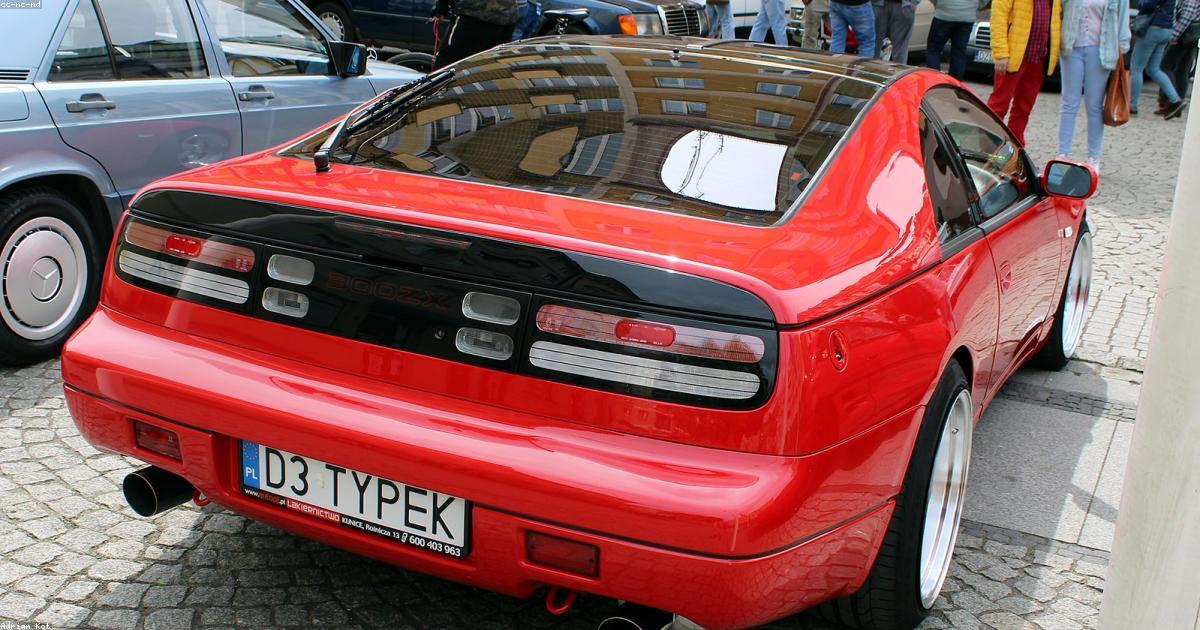
What is the Nissan 300ZX Z32? The JDM Legend Explained
The Nissan 300ZX, known as the Fairlady Z32 in the Japanese domestic market, represents the fourth generation of Nissan's iconic Z-car lineage. Produced from 1990 to 2000, the Z32 marked a significant departure from its predecessors with cutting-edge technology and performance capabilities that rivaled European supercars of the era. The car was available in two distinct market configurations: the domestically-focused Fairlady Z for Japan and the 300ZX for export markets, though both share identical powertrains and chassis architecture.
What truly sets the 300zx jdm apart in the landscape of Nissan JDM cars is its technological sophistication. This wasn't just a powerful engine wrapped in attractive sheet metal—the Z32 featured active suspension, multi-mode power steering, variable-boost twin turbocharged engine management, and a chassis designed for genuine supercar performance. Only true automotive enthusiasts and collectors fully appreciate the engineering complexity hiding beneath that pop-up headlight hood.
300ZX Z32 Engine Specifications and Performance
The heart of every 300zx jdm is the legendary VG30DETT engine—a 3.0-liter twin-turbocharged V6 that produces 300 horsepower and 283 lb-ft of torque in standard form. However, Japanese domestic market models often featured slightly different tuning parameters than their export counterparts, making some Z32s more desirable for serious enthusiasts seeking maximum performance potential.
Engine Variants and Power Outputs
- Twin Turbo models (1990-2000): 300 hp (JDM spec) with 283 lb-ft torque; achieves 0-60 mph in approximately 4.8-5.2 seconds depending on transmission and condition
- Early model years (1990-1993): Featured more conservative boost levels and electronic controls compared to later generations
- Mid-cycle refresh (1994-1996): Enhanced turbocharger efficiency with improved response and slightly elevated power figures
- Final generation (1997-2000): Refined engine management systems with better reliability and response characteristics; most sought-after by JDM collectors
- Naturally aspirated models: Available in limited quantities overseas only; developed 222 hp but offered superior reliability for daily driving
The twin-turbocharged 300ZX represents one of the most reliable forced-induction engines Nissan ever produced, provided regular maintenance is observed. The sequential turbocharging system, where each turbo activates at different RPM ranges, provides smooth power delivery across the entire rev range and contributes to the car's incredible drivability compared to single-turbo competitors from that era.
Transmission Options
- 5-speed automatic (4-speed in very early models): Smooth power delivery; acceptable performance but limits enthusiast appeal; approximately 15-20% lower resale values in the JDM market
- 5-speed manual transmission: Premium on the used market commanding ¥2,500,000-3,200,000 ($17,000-22,000 USD) price premiums; provides authentic driver engagement and superior tuning potential
- Superlative shift quality: Both transmissions deliver satisfying gear changes with mechanical precision rare in 1990s production cars
Pricing and Market Value in 2024
The 300ZX JDM market has experienced remarkable appreciation over the past five years as collectors recognize the Z32's position in automotive history. Current pricing in the Japanese domestic market varies significantly based on condition, mileage, model year, and specification.
Current Market Pricing (2024)
- Base 300ZX models (automatic, 1990-1993): ¥1,800,000-2,400,000 ($12,000-16,000 USD); these entry-level examples often require mechanical attention
- Mid-range manual transmission models (1994-1997): ¥2,800,000-4,200,000 ($19,000-28,000 USD); represents the sweet spot for value-conscious collectors
- Premium final-generation models (1997-2000, manual): ¥4,500,000-6,800,000 ($30,000-45,000 USD); low-mileage examples with complete service history command top prices
- Exceptional specimens (under 40,000 miles, single owner, complete documentation): ¥7,200,000-10,500,000 ($48,000-70,000 USD); these represent investment-grade assets
Export values from Japan to North America typically add 40-65% premiums due to regulatory arbitrage and collector demand. A ¥3,500,000 ($23,000 USD) Z32 in Japan might sell for $38,000-42,000 in the United States after importation, compliance, and dealer markup. This appreciation trajectory makes the 300zx jdm one of the most attractive JDM sports cars for investment-minded buyers.
Key Mechanical Features and Technology
The Z32 generation represents a watershed moment in Nissan JDM cars development, introducing technologies that wouldn't become mainstream in sports cars for another decade. The 300ZX wasn't merely powerful—it was intelligently engineered to maximize performance across various driving conditions.
Active Suspension Technology
- First-generation electronically-controlled suspension that adjusts damping in real-time based on driving inputs
- Four selectable modes allowing drivers to customize suspension stiffness from "Comfort" through "Sport"
- Computer-controlled anti-roll bars that minimize body lean in corners while maintaining ride comfort
- Significantly improves handling consistency compared to passive suspension systems of competitors
Chassis Engineering
- Super HICAS (High Capacity Actively Controlled Steering): Four-wheel steering system that angles rear wheels to improve turning response and stability at highway speeds
- All-aluminum architecture: Hood, doors, and trunk are lightweight aluminum; reduces weight compared to steel-bodied competitors
- Double-wishbone suspension front and rear: Delivers superior cornering stability and consistent grip
- Limited-slip differential: Mechanical helical unit ensures superior traction during aggressive acceleration
These technologies combined to create a twin turbo machine that handles with the precision of a contemporary formula car while maintaining surprising daily-use practicality. Modern driver assistance systems attempt to replicate the Z32's sophisticated engineering philosophy.
Interior Design and Creature Comforts
The Z32 cabin represents a fascinating time capsule of 1990s Japanese luxury aspirations. Unlike austere American sports cars of the era, the 300ZX JDM interior rivals contemporary Mercedes and BMW models in material quality and ergonomic thoughtfulness. Power leather seats with 8-way adjustability, climate-controlled cup holders, and advanced audio systems were standard on properly-equipped models—extraordinary luxuries for 300ZX-class performance cars.
- Full digital instrument cluster with customizable display options
- Multi-function steering wheel with audio and phone controls (on later models)
- Electrically-adjustable steering column with memory function
- Dual-zone climate control system maintaining independent temperatures for driver and passenger
- Premium Bose audio system available; some models feature 8-speaker configurations with subwoofers
- Integrated garage door opener and security system
What to Check Before Purchasing a 300ZX Z32
The 300zx jdm market includes numerous examples with questionable maintenance histories and stress from regional driving patterns. Comprehensive pre-purchase inspection by a specialist mechanic familiar with Nissan JDM cars of this era should be absolutely non-negotiable before committing significant capital.
Critical Systems Requiring Expert Inspection
- Turbocharger condition: Listen for grinding or whistling noises indicating bearing wear; seal degradation leads to oil consumption and potential catastrophic failure; budget ¥800,000-1,200,000 ($5,500-8,000 USD) for quality replacement turbos
- Head gasket integrity: Common failure point on high-mileage examples; compression testing essential; replacement requires ¥500,000-700,000 ($3,300-4,700 USD) in parts and labor
- Transmission synchronizer wear: Manual transmissions may develop grinding when downshifting; indicates potential rebuild costs of ¥600,000-900,000 ($4,000-6,000 USD)
- Suspension component condition: Worn bushings and worn ball joints compromise the precision handling that defines the Z32; budget ¥300,000-500,000 ($2,000-3,300 USD) for complete refresh
- Cooling system integrity: Radiator corrosion and thermostat failures are endemic on 30+ year-old examples; preventive replacement recommended at ¥200,000-350,000 ($1,300-2,300 USD)
- Electrical system diagnosis: Complex 1990s electronics sometimes develop intermittent failures; comprehensive diagnostic scanning essential
Documentation and Service History Requirements
- Complete service record showing regular fluid changes and maintenance intervals
- Original Japanese domestic registration documents (Jidousha Todoke Nasai certificate)
- Proof of turbocharger overhaul or replacement with supporting receipts
- Records of suspension work and component replacement
- Engine bay photographs showing overall condition and cleanliness
Import Considerations and Regulatory Requirements
Importing a 300ZX JDM to North America or Europe involves navigating complex regulatory frameworks designed to ensure vehicle safety and environmental compliance. The 25-year rule provides a pathway for older vehicles in the United States, where the 1990-1995 model year Z32s became federally legal in 2015-2020, sparking significant market appreciation.
- United States: Vehicles must be 25+ years old for federal legality; however, individual state regulations vary significantly. California's strict emissions standards prohibit some older imports entirely. Expect ¥500,000-1,500,000 ($3,300-10,000 USD) additional compliance costs including emissions modifications, DOT-certified lighting, and safety inspections
- Canada: Similar 25-year exemption applies; additional requirements for metric speedometer conversion and headlight specifications
- United Kingdom and EU countries: MOT testing and road tax requirements vary by nation; right-hand-drive models command premiums in UK market
- Australia: Stringent import and homologation requirements; ¥2,000,000-4,000,000 ($13,000-26,000 USD) in compliance work; left-hand-drive models less desirable than domestic production versions
Maintenance and Operating Costs
Ownership of a 300ZX twin turbo demands serious commitment to preventive maintenance. These are sophisticated machines with multiple complex systems, and deferred maintenance transforms manageable expenses into catastrophic failures. Annual operating costs for a well-maintained example range from ¥300,000-600,000 ($2,000-4,000 USD) depending on usage patterns and local labor rates.
Routine Maintenance Expenses
- Oil changes (every 5,000 km): ¥10,000-15,000 ($65-100 USD) using synthetic oils critical for turbo protection
- Transmission fluid service (every 40,000 km): ¥30,000-50,000 ($200-330 USD); deferred service leads to expensive internal damage
- Coolant system maintenance: ¥40,000-60,000 ($265-400 USD) annually due to complexity of dual-circuit systems
- Brake fluid and brake system inspection: ¥50,000-80,000 ($330-530 USD) every two years; original brake systems often require complete rebuilding on higher-mileage examples
- Suspension geometry and alignment: ¥60,000-90,000 ($400-600 USD) annually to maintain the precise handling the Z32 is known for
Experience These JDM Legends in Person
Before you buy, why not drive your dream JDM car through the streets of Tokyo? Samurai Car Japan offers exclusive JDM Night Tours where you can get behind the wheel of R34 GT-Rs, RX-7s, Supras, and more.
See these cars up close, feel their power, and make an informed buying decision. Many of our tour guests end up purchasing their dream JDM car after experiencing it firsthand!
Frequently Asked Questions About the 300ZX Z32
What is the difference between the 300ZX and Fairlady Z32?
The Nissan 300ZX and Fairlady Z32 are mechanically identical vehicles; the nomenclature difference reflects regional marketing. The Z32 designation is the official Nissan chassis code, while "300ZX" specifically refers to export-market models, and "Fairlady Z32" is the Japanese domestic market designation. All models share the same VG30DETT engine, transmission options, and chassis architecture. Japanese-market models sometimes feature slightly different interior trim, gauge cluster design, and early models may have different boost calibrations.
Are 300ZX Z32 cars reliable for daily driving?
The Z32 demonstrates solid reliability compared to contemporary sports cars when properly maintained. The twin-turbocharged engine is inherently robust, and the chassis components are overbuilt for durability. However, this is a 25-30+ year-old machine with aging electrical systems, aging rubber components (seals, gaskets, hoses), and potential corrosion depending on storage conditions. Daily driving is certainly possible, but budget accordingly for preventive maintenance and expect periodic repairs. The naturally-aspirated models are marginally more reliable, though less desirable in the collector market.
What is the average fuel consumption of a 300ZX JDM?
EPA ratings for the turbocharged 300ZX estimate 16-18 mpg in mixed driving, with highway figures reaching 22-24 mpg when driving conservatively at constant highway speeds. Real-world ownership experience suggests 14-17 mpg average for typical enthusiast driving patterns. The naturally-aspirated models achieve slightly better efficiency at 18-22 mpg combined. These figures are respectable for high-performance turbocharged sports cars of the 1990s era but require realistic expectations for fuel cost planning. Premium 91+ octane fuel is essential for turbo models to prevent detonation and engine damage.
Is the 300ZX Z32 a good investment compared to other JDM sports cars?
The 300ZX Z32 represents one of the stronger investment vehicles in the JDM sports cars category, second only to pristine R34 Skyline GT-Rs for appreciation potential. Strong collector interest, increasing scarcity of well-maintained examples, and the Z32's technological sophistication support continued value appreciation. We've observed average annual appreciation of 8-12% for quality examples over the past five years. Compare this to the R33 Skyline GT-R (6-8% annually) or FD RX-7 (10-14% annually), and the Z32 occupies a compelling middle position. Manual transmission models with documented service history offer superior long-term appreciation versus automatic variants.
What are the most common failure points I should be aware of?
The most frequent issues encountered on high-mileage Z32 examples include: turbocharger seal degradation leading to oil consumption; head gasket leaks between cylinders 5-6 on the rear cylinder bank; automatic transmission shift solenoid failures causing erratic gear selection; timing belt tensioner wear (critical to address before failure); front control arm bushings deteriorating and allowing suspension play; and electrical gremlins stemming from aging wiring and corroded connectors in the engine bay. Pre-purchase inspection should specifically target these potential problem areas with compression tests, turbo boost verification, and electrical system diagnostics. Manual transmissions prove generally more reliable than autom