The term JDM has become synonymous with automotive passion, exclusivity, and Japanese engineering excellence. But what exactly separates a JDM car from its USDM counterpart, and why do enthusiasts around the world obsess over Japanese JDM cars? Whether you're a seasoned collector or a curious newcomer to car culture, understanding these distinctions is crucial to appreciating what makes the JDM scene so captivating. From the iconic Nissan Skyline GT-R to the rotary-powered Mazda RX-7, JDM cars represent a unique blend of performance, heritage, and cultural significance that transcends ordinary automotive appreciation.
What is JDM? Understanding the Definition
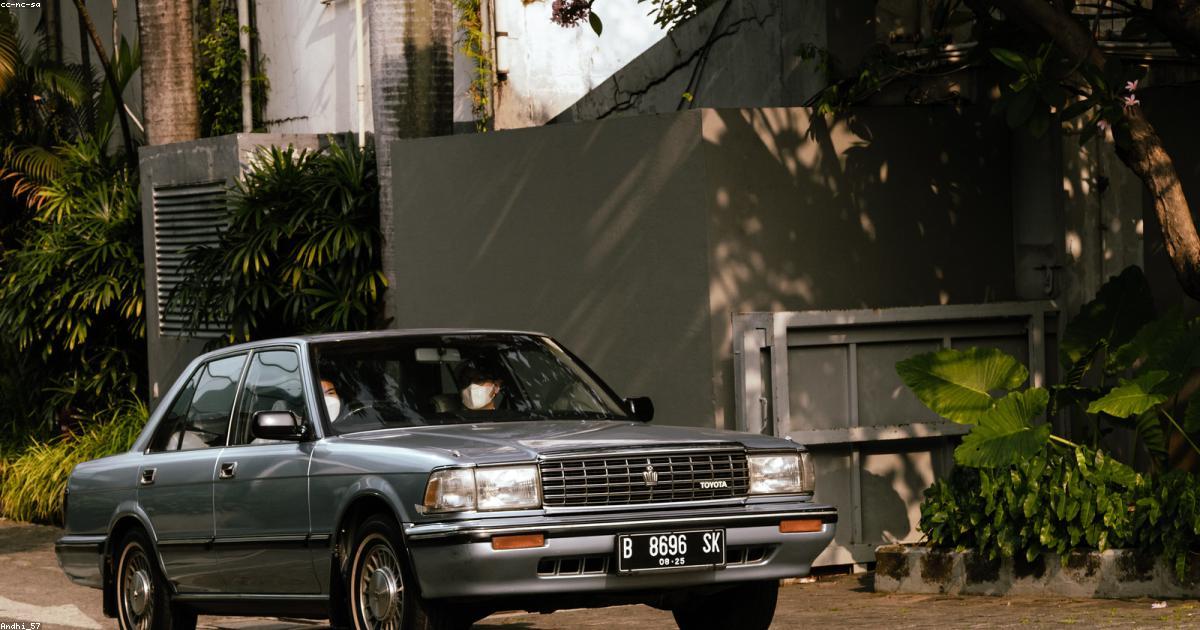
JDM stands for "Japanese Domestic Market," a term that specifically refers to vehicles and parts manufactured by Japanese automakers for sale exclusively within Japan. The concept extends beyond mere geography—it represents a philosophy of automotive design, performance optimization, and cultural identity that Japanese manufacturers have cultivated for decades.
When collectors and enthusiasts talk about JDM, they're not just referencing cars sold in Japan. They're referring to vehicles engineered to Japanese specifications, featuring unique components, performance characteristics, and design elements that differ fundamentally from their international counterparts. These vehicles often feature right-hand drive configurations, Japanese-language instrument clusters, and performance tuning optimized for Japanese driving conditions and regulations.
The USDM Alternative
USDM, or "United States Domestic Market," refers to vehicles built and sold specifically for the American market. These cars are engineered to meet U.S. Environmental Protection Agency (EPA) standards, National Highway Traffic Safety Administration (NHTSA) regulations, and consumer preferences that differ significantly from Japanese market demands. USDM vehicles feature left-hand drive configurations, federal emissions compliance systems, and performance specifications tailored to American driving patterns and fuel octane ratings.
Key Differences Between JDM and USDM Cars
Drive Configuration and Controls
One of the most immediately obvious differences between JDM and USDM vehicles is their drive configuration. JDM cars feature right-hand drive (RHD) configurations since Japan drives on the left side of the road, while USDM vehicles are left-hand drive (LHD) for American right-side road driving. This fundamental difference affects not just steering wheel placement but the entire interior layout, including dashboard orientation, window controls, and door handle positioning.
Engine Specifications and Performance Tuning
Japanese manufacturers often produce different engine specifications for their domestic market vehicles compared to export models. A classic example is the R33 Nissan Skyline GT-R, which produced 280 PS (275 hp) in its JDM form, while the same model was never officially exported to the United States. Conversely, the R34 Skyline GT-R, produced from 1999-2002, generated 280 PS in Japan but was capable of significantly more power when tuned for export markets.
These differences stem from Japanese regulations limiting power output declarations for tax and insurance purposes. However, many manufacturers electronically limit their domestic market vehicles to comply with these regulations, meaning that the same engine block in a USDM variant might produce substantially more horsepower simply due to less restrictive tuning parameters.
Emissions Systems and Environmental Compliance
Japan's emissions standards, while stringent, differ from EPA and California standards that govern USDM vehicles. Japanese JDM cars often feature different catalytic converters, oxygen sensors, and engine management systems compared to their American counterparts. These environmental compliance differences can affect performance, sound characteristics, and tuning potential. Many JDM enthusiasts prefer Japanese-spec vehicles specifically because simpler emissions systems offer greater modification flexibility.
Interior Features and Technology
- Japanese-language instrument clusters and warning labels in JDM vehicles
- Different air conditioning systems optimized for Japanese climate conditions
- Unique audio system configurations and speaker placements
- Interior trim materials and color options tailored to Japanese aesthetic preferences
- Integrated technology features reflecting Japanese manufacturing standards
Safety Features and Lighting
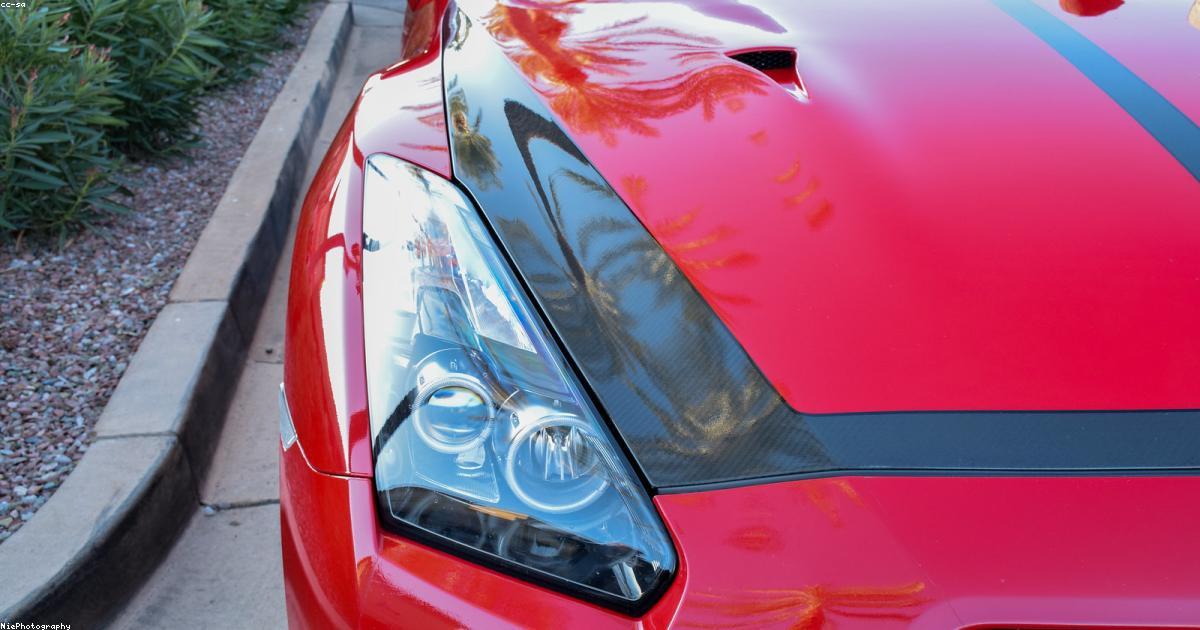
USDM vehicles incorporate specific safety requirements mandated by NHTSA, including particular bumper heights, airbag deployment protocols, and structural reinforcements. Headlight and taillight designs differ significantly between markets—JDM vehicles often feature more compact, innovative lighting designs, while USDM models require larger, more robust lighting systems to meet American visibility standards. Additionally, the rear bumper heights on USDM vehicles are typically higher to satisfy federal impact regulations.
Why JDM Cars Are Considered Special in Car Culture
Historical Significance and Performance Heritage
The prestige of JDM culture is rooted in Japan's automotive evolution during the 1990s and early 2000s. This era produced some of the most iconic performance cars ever manufactured: the Nissan Skyline GT-R R33 and R34 (1995-2002), Toyota Supra JZ-A80 (1993-2002), Mazda RX-7 FD (1992-2002), and Subaru Impreza WRX STI. These vehicles represented the pinnacle of Japanese engineering, combining turbocharged performance with precision manufacturing at prices significantly lower than European and American performance cars.
The R34 Skyline GT-R, produced from 1999 to 2002, exemplified this excellence. Its 2.6-liter twin-turbocharged RB26DETT engine developed 280 PS officially, though independent dyno testing revealed outputs exceeding 320 hp. With all-wheel-drive through a sophisticated ATTESA E-TS transmission, this vehicle could accelerate from 0-100 km/h in under 5 seconds—performance that rivaled supercars costing triple the price. Today, quality R34 GT-R examples command $150,000 to $300,000+ USD, reflecting their legendary status.
Exclusivity and Limited Availability
Many iconic JDM cars were never officially exported to North America, creating an aura of exclusivity that drives international demand. The R33 and R34 Skyline GT-Rs remained Japan-only vehicles until recently, when 25-year-old examples became eligible for importation to the United States under the "Show and Display" exemption. This legal restriction transformed these vehicles into forbidden fruit for American enthusiasts, intensifying desire and appreciation for JDM authenticity.
This scarcity translates directly to market value. A well-maintained JDM R34 GT-R with 80,000 kilometers now sells for significantly more than a USDM Toyota Supra of similar age, despite equivalent performance capabilities. Collectors recognize that authentic JDM vehicles represent irreplaceable pieces of automotive history.
Right-Hand Drive Authenticity
For purists, the right-hand drive configuration isn't just a geographical quirk—it's essential to authentic JDM experience. Driving a genuine RHD Skyline GT-R through Tokyo's Shibuya district or navigating Hakone's mountain roads provides visceral connection to the original driving environment these vehicles were engineered for. The RHD layout connects drivers to Japan's automotive heritage and the legendary street racing culture that inspired these machines.
Tuning Potential and Modification Community
Japanese JDM cars possess mechanical and electronic flexibility that USDM variants often lack. Simpler emissions systems, robust engine designs, and availability of performance components create unprecedented tuning potential. The RB26DETT engine from the R34 Skyline GT-R can reliably produce 500+ hp with upgraded turbos, fuel systems, and engine management tuning, transforming a $200,000 car into a genuine 10-second quarter-mile machine.
This modifiability has spawned an enormous global community of specialists who understand JDM mechanical architecture. Tokyo tuning shops like HKS, Trust, and Nismo generate millions of dollars annually creating bespoke performance systems for JDM vehicles. Enthusiasts can modify their cars knowing they're accessing genuine, purpose-built components engineered by companies with decades of JDM heritage.
The Global JDM Market and Import Economics
The international demand for authentic JDM cars has created a sophisticated import industry worth billions of dollars annually. Japanese auction houses like USS, JU, and Bolsover handle vehicle sales to international buyers, with JDM vehicles often commanding premium prices compared to equivalent USDM models. A 1990s Nissan 300ZX Twin Turbo with 60,000 kilometers purchased from a Japanese auction might cost $18,000 USD, while a similarly-specified USDM example with equivalent mileage sells for $12,000-$14,000 due to perceived reliability and originality benefits.
Import regulations have become increasingly favorable for enthusiasts. The United States now permits permanent importation of vehicles 25 years and older regardless of origin, meaning that legendary models from 1999 and earlier can be legally driven on American roads. Countries like Australia, New Zealand, and the United Kingdom maintain similar aged-vehicle importation allowances, creating global markets for premium JDM inventory.
Pricing Premiums for JDM Authenticity
- R34 Skyline GT-R (1999-2002): $150,000-$350,000 USD for quality examples
- Toyota Supra JZ-A80 (1993-2002): $60,000-$150,000 USD depending on condition and mileage
- Mazda RX-7 FD (1992-2002): $40,000-$100,000 USD for unmolested examples
- Honda NSX NA1/NA2 (1990-2005): $70,000-$200,000 USD for low-mileage examples
- Subaru Impreza WRX STI GC8 (1994-2000): $25,000-$80,000 USD depending on specification
Understanding JDM Culture Beyond Cars
JDM culture transcends automotive mechanics—it represents a lifestyle philosophy emphasizing meticulous craftsmanship, aesthetic refinement, and community appreciation. Japanese car culture celebrates perfectionism in maintenance, originality in modification, and respect for automotive heritage. This contrasts with some automotive scenes where extreme modifications and visual shock value take precedence.
Iconic gathering places like Daikoku Parking Area in Yokohama and Roppongi Hills in Tokyo represent pilgrimage sites where JDM enthusiasts congregate to showcase vehicles, share knowledge, and celebrate Japanese automotive achievement. These venues embody JDM culture's communal aspects—the scene isn't just about individual vehicle ownership but collective appreciation for Japanese mechanical excellence.

Making Your JDM vs USDM Decision
When considering purchasing a classic Japanese performance car, understanding JDM versus USDM distinctions proves essential. USDM vehicles offer practical advantages: standardized parts availability in North America, simpler insurance navigation, and easier resale within domestic markets. However, JDM cars provide authenticity, exclusivity, potential higher appreciation, and connection to original design intent.
Your decision depends on personal priorities. Seek JDM authenticity if you value original engineering, collector appreciation, and genuine automotive heritage. Choose USDM alternatives if practical maintenance access and domestic market liquidity rank higher. Regardless of choice, both represent remarkable achievements in automotive engineering worthy of respect and preservation.
Experience These JDM Legends in Person
Before you buy, why not drive your dream JDM car through the streets of Tokyo? Samurai Car Japan offers exclusive JDM Night Tours where you can get behind the wheel of R34 GT-Rs, RX-7s, Supras, and more.
See these cars up close, feel their power, and make an informed buying decision. Many of our tour guests end up purchasing their dream JDM car after experiencing it firsthand!
Frequently Asked Questions About JDM Cars
Can I legally drive a JDM car in the United States?
Yes, provided the vehicle is 25 years old or older. The U.S. Department of Transportation permits permanent importation of vehicles manufactured 25+ years prior to the current year, regardless of original destination market. A 1999 R34 Skyline GT-R becomes permanently legal in the United States during 2024. However, some states impose additional restrictions—California, for example, has stricter regulations on imported vehicles. Always verify your specific state's requirements before importing.
Are JDM cars more reliable than USDM alternatives?
Reliability depends primarily on maintenance history and individual vehicle condition rather than market specification. Both JDM and USDM vehicles from manufacturers like Nissan, Toyota, and Honda share identical powertrains and engineering principles. However, JDM cars often benefit from generally gentler use in Japan's developed urban infrastructure, and Japanese owners typically maintain meticulous service records. This behavioral pattern makes JDM examples statistically more likely to be well-maintained, though this varies case-by-case.
What's the cost difference between JDM and USDM vehicles?
For equivalent vehicles, JDM cars typically command 15-40% premiums over USDM counterparts. A 1995 Toyota Supra JDM specification might cost $85,000 USD while a USDM example sells for $60,000-$70,000. This premium reflects scarcity, perceived authenticity, lower depreciation expectations, and collector demand. However, import costs (shipping, customs, homologation fees) can add $5,000-$15,000, so total acquisition costs require careful calculation.
Do JDM engines perform better than USDM versions?
Not inherently—they're often identical. The difference lies in electronic tuning and restrictions. A JDM R34 Skyline GT-R's RB26DETT engine produces 280 PS officially but similar USDM turbocharged engines (like those in the Nissan 300ZX) generated comparable power. The distinction is that manufacturers deliberately limited output declarations on JDM models for insurance and taxation advantages. When both specifications are tuned identically, performance differences are negligible. The real advantage is modification potential—simpler emissions systems allow more aggressive tuning strategies.
Is right-hand drive impractical in left-hand traffic countries?
Right-hand drive vehicles function perfectly in left-hand traffic countries—drivers simply sit on the right side facing the correct direction. However, practical considerations include: reduced visibility at certain intersections, difficulty at drive-through windows (common in the US), and potential increased insurance premiums in some regions. Enthusiasts typically accept these minor inconveniences as worthwhile trade-offs for authentic JDM ownership. Many dedicated JDM collectors refuse to drive RHD vehicles in left-hand traffic anyway, preferring to preserve originality rather than use cars daily.