The allure of Nissan Hardbody JDM trucks and other Japanese utility vehicles has captivated automotive enthusiasts worldwide for decades. These compact yet capable workhorses represent the pinnacle of Japanese engineering efficiency, combining rugged durability with innovative design in a package that fits perfectly on narrow Japanese roads. Whether you're seeking a classic JDM truck for collection, restoration, or daily driving, understanding the market for JDM vehicles and Japanese import cars for sale is essential. This comprehensive guide explores everything you need to know about importing Japanese trucks, from the legendary Nissan Hardbody to tiny kei trucks that pack surprising functionality into their diminutive frames.
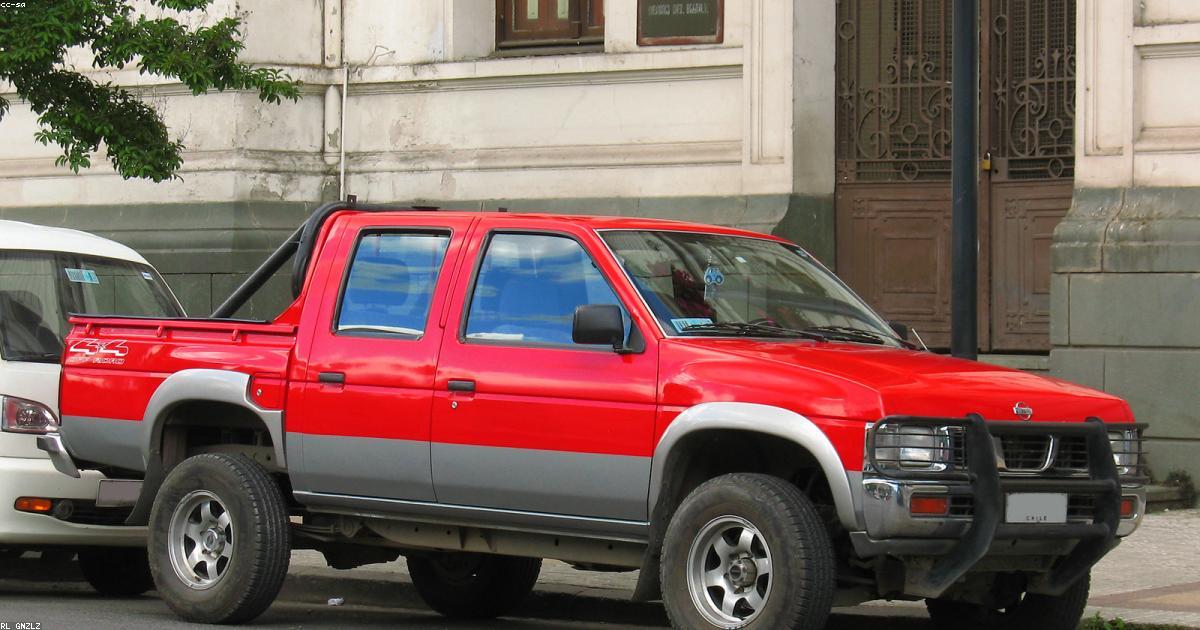
Understanding the JDM Truck Market
The Japanese Domestic Market for trucks has created some of the most sought-after utility vehicles in the world. Unlike their American counterparts, Japanese trucks prioritize efficiency, maneuverability, and longevity over raw power. The Nissan Hardbody, particularly the D21 and D22 generations, exemplifies this philosophy perfectly. These vehicles were engineered for Japanese conditions—tight urban spaces, precise handling, and legendary reliability that allows them to reach 300,000+ kilometers without major overhauls.
Today's JDM vehicles market shows strong demand for these imports, with prices reflecting their desirability. A clean 1990s Nissan Hardbody JDM example typically ranges from $8,000 to $15,000 USD depending on condition, mileage, and modification status. More recent models command higher prices, with 2000s-era D22 Hardbodies fetching $12,000 to $18,000 USD. These pricing trends demonstrate that Japanese import cars for sale remain excellent investments compared to domestic alternatives with similar specifications.
The Nissan Hardbody: JDM's Most Iconic Truck
The Nissan Hardbody represents the gold standard for compact truck enthusiasts worldwide. Produced from 1985 to 1997 as the D21, then continuing as the D22 from 1997 to 2010, the Hardbody became synonymous with reliability and affordability in the Japanese truck market. The Nissan Hardbody JDM specifically refers to vehicles originally sold in Japan, which often feature unique specifications unavailable in North American markets.
D21 Generation Hardbody (1985-1997)
The original D21 Hardbody arrived in 1985 with a 2.0L Z20SE engine producing 102 horsepower and 137 lb-ft of torque. Despite modest power figures, this engine became legendary for reliability and simplicity. Japanese-spec models featured distinctive design elements, including different grille styling, unique badging, and often more basic interiors than North American versions. Many D21s remain in service today with original engines intact, a testament to their engineering quality.
- Engine Options: Z20SE (2.0L), Z24SE (2.4L 4-cylinder)
- Horsepower Range: 102-122 HP depending on model year and engine
- Transmission: 5-speed manual or 4-speed automatic
- Payload Capacity: Approximately 1,500 lbs
- Current Market Value: $8,000-$12,000 USD for clean examples
D22 Generation Hardbody (1997-2010)
The D22 represented a significant evolution, introducing modern styling while maintaining the Hardbody's essential character. This generation became even more popular in the JDM market, with Japanese-spec models featuring distinctive front-end designs and exclusive color options like Pearl White and Dark Blue Metallic. The D22 engine lineup included the reliable ZD30DDTi turbo diesel (3.0L) and the QG18DE petrol engine (1.8L), with some markets receiving the legendary 2.4L QD32 diesel.
- Diesel Option: ZD30DDTi (3.0L turbo diesel) with 134 HP and 266 lb-ft torque
- Petrol Option: QG18DE (1.8L) with 115 HP
- Advanced Features: Driver airbag, power steering, ABS on later models
- Payload Capacity: Up to 2,000 lbs on crew cab variants
- Current Market Value: $12,000-$18,000 USD for quality imports

Other Premium JDM Trucks Worth Importing
Toyota Hilux (Pickup/Hilux Surf)
The Toyota Hilux stands as perhaps the world's most reliable pickup truck, and Japanese market versions command premium prices. Fourth and fifth-generation Hilux models (1997-2015) are particularly sought after, with clean examples fetching $15,000 to $25,000 USD. The Japanese-specific turbodiesel variants, particularly the 1KZ-TE and 2KD-FTV engines, deliver exceptional longevity and are highly prized by import enthusiasts.
- Engine Options: 1KZ-TE (3.0L turbo diesel, 140 HP), 5L-E (5.0L naturally aspirated diesel, 165 HP)
- Transmission: 5-speed manual standard on most models
- Special Appeal: Japanese models often feature superior interior trim and reliability records
- Market Value: $15,000-$25,000 USD depending on generation and condition
Isuzu D-Max and MU-X
Isuzu's trucks represent another strong choice for JDM truck imports, combining affordability with durability. The D-Max, known as the Rodeo in some markets, features proven turbodiesel engines and offers excellent value in the Japanese import market. A quality used D-Max typically sells for $10,000 to $16,000 USD, making it accessible to budget-conscious buyers seeking reliable Japanese trucks.
Mitsubishi L200 Triton
The Mitsubishi Triton, badged as the L200 in Japan, offers another excellent option for truck enthusiasts. Japanese-market models often feature more advanced powertrains and superior build quality compared to global versions. Clean L200 imports typically range from $9,000 to $16,000 USD, with turbodiesel variants commanding premium prices due to their legendary reliability.
Kei Trucks: Japan's Unique Utility Solution
While full-size trucks dominate international JDM enthusiasm, kei trucks represent a distinctly Japanese phenomenon that's gaining traction among global buyers. These miniature utility vehicles fit Japan's unique "kei car" classification—vehicles under 3.5 meters long, under 1.7 meters wide, with engines under 660cc. This regulatory category sparked incredible innovation in compact truck design, resulting in vehicles that seem almost comically small yet remarkably functional.
Suzuki Carry: The Kei Truck Legend
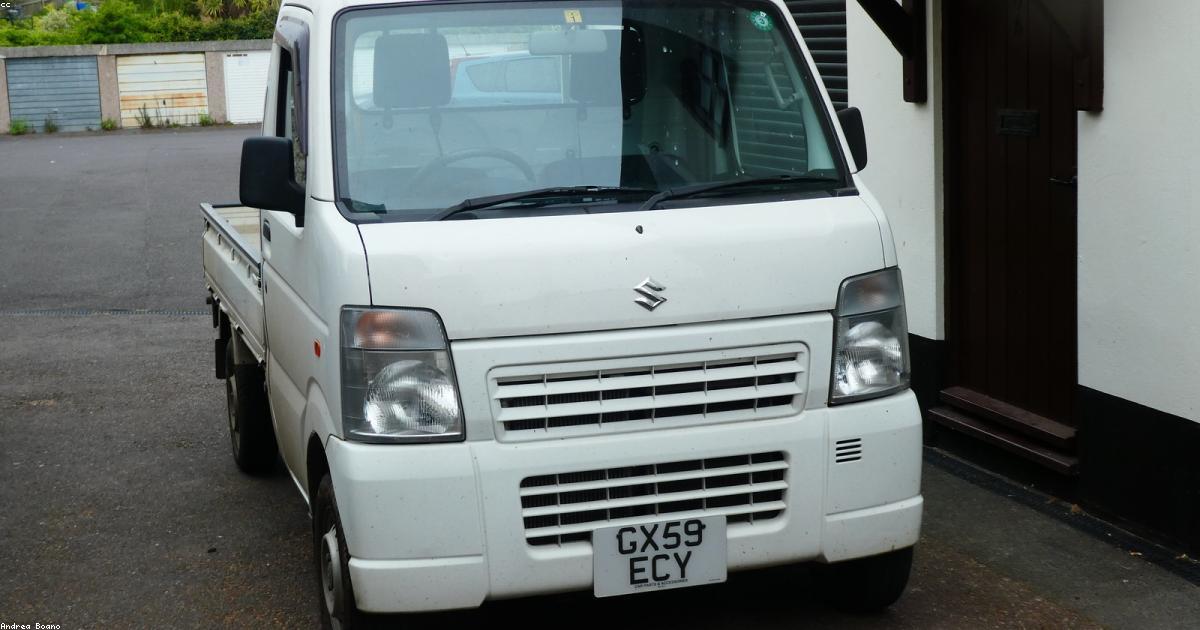
The Suzuki Carry stands as the world's best-selling commercial vehicle, with production spanning five decades. Despite its diminutive dimensions and tiny engine, the Carry accomplishes serious work with astonishing efficiency. Japanese-market versions remain highly sought-after imports, with collectors and practical buyers alike recognizing their unique charm and utility. A clean Suzuki Carry import typically sells for $3,000 to $7,000 USD depending on age and condition.
- Engine: Turbocharged 660cc 3-cylinder (52-64 HP depending on generation)
- Dimensions: 3,395mm long × 1,475mm wide × 1,800mm tall
- Payload: Approximately 700 lbs despite compact size
- Fuel Efficiency: Exceptional 30+ MPG in real-world driving
- Market Value: $3,000-$7,000 USD for quality examples
Honda Acty: The Versatile Kei Alternative
Honda's Acty offers an excellent alternative to the Suzuki Carry, combining reliability with versatile body options. Available as a truck, van, or even scooter-like configuration, the Acty exemplifies Japanese pragmatism in vehicle design. The Acty remains relatively affordable in the import market, with clean examples fetching $4,000 to $8,000 USD. These vehicles appeal to buyers seeking unique, fuel-efficient transportation solutions.
Subaru Sambar: Kei Truck Collectors' Favorite
The Subaru Sambar gained cult status among enthusiasts, particularly in modified truck circles. These vehicles feature Subaru's boxer engines and standard all-wheel drive on many models, providing surprising capability despite their kei truck classification. Sambar pricing varies significantly by condition and modification status, typically ranging from $4,000 to $10,000 USD for quality imports.
The Import Process: Bringing Japanese Trucks Home
Importing Japanese import cars for sale, particularly trucks, involves specific procedures that vary by destination country. Understanding these requirements before purchasing ensures smooth transactions and legal ownership.
Vehicle Age and Import Eligibility
Most countries impose minimum age restrictions on imported vehicles. The United States requires vehicles to be at least 25 years old for unlimited importing, though some states offer different regulations. A 1997 Nissan Hardbody JDM meets this requirement, allowing legal importation nationwide. However, vehicles under 25 years old may still be importable to certain jurisdictions or for historical/showroom use.
Right-Hand Drive Considerations
Japanese vehicles feature right-hand drive configurations, which presents both opportunity and challenge for importers. While some enthusiasts embrace the unique driving experience, others prioritize left-hand drive vehicles. This preference significantly impacts pricing—right-hand drive vehicles typically cost 15-25% less than equivalent left-hand drive imports, making them excellent value purchases for budget-conscious buyers.
Customs and Compliance
- Japan Export Documentation: Confirm vehicle ownership history and obtain necessary export certificates from Japanese authorities
- U.S. Import Duty: Standard 2.5% on passenger vehicles, potentially higher for light trucks
- EPA Compliance: Vehicles must pass emissions standards or qualify for historical exemptions (typically 25+ years)
- DOT Certification: Safety equipment must meet Federal Motor Vehicle Safety Standards
- Shipping Timeline: Expect 4-8 weeks from Japanese port to U.S. delivery
Pricing Guide for Popular JDM Trucks
Understanding current market pricing helps establish realistic budgets when shopping for JDM vehicles. These figures reflect typical 2024 market values for quality imports sold through reputable dealers:
- Nissan Hardbody D21 (1990-1996): $8,000-$12,000 USD depending on condition and engine option
- Nissan Hardbody D22 (2000-2008): $12,000-$18,000 USD, with diesel variants commanding premium pricing
- Toyota Hilux 4th Gen (1997-2005): $15,000-$22,000 USD, turbodiesel versions highest priced
- Toyota Hilux 5th Gen (2005-2015): $18,000-$28,000 USD for clean low-mileage examples
- Isuzu D-Max (2002-2012): $10,000-$16,000 USD across generations
- Suzuki Carry Kei Truck (1985-2010): $3,000-$7,000 USD depending on age and condition
- Honda Acty (1990-2010): $4,000-$8,000 USD for quality imports
- Subaru Sambar (1990-2010): $4,000-$10,000 USD with modification status affecting pricing
Maintenance and Reliability of JDM Trucks
JDM trucks earned their reputation through bulletproof reliability and straightforward maintenance. The Nissan Hardbody JDM and similar vehicles from this era feature mechanical simplicity that rewards DIY enthusiasts while remaining affordable at professional shops. Engine oil changes typically cost $40-60, while spark plugs and filters remain inexpensive across all platforms.
Turbodiesel variants require more specialized maintenance than petrol engines, but Japanese manufacturers engineered these powerplants for durability. A well-maintained ZD30DDTi diesel Hardbody regularly achieves 250,000+ miles with original engine internals. Transmission longevity similarly impresses, with many 5-speed manuals surpassing 200,000 miles without overhaul.
Parts availability varies by vehicle and destination. Common items like filters, belts, and gaskets remain affordable and readily available globally. Rarer components may require sourcing from Japanese suppliers, though internet access has dramatically improved availability of OEM parts even in remote locations.
Popular Modifications for Imported JDM Trucks
The active JDM truck modification community generates constant innovation in performance, comfort, and appearance upgrades. Popular modifications for Nissan Hardbody JDM trucks and similar platforms include:
- Turbocharging: Aftermarket turbo kits for naturally aspirated models, yielding 20-40% power increases
- Suspension Upgrades: Modern coilover systems replacing original springs, improving handling and comfort
- Interior Improvements: Leather seats, modern infotainment systems, and air conditioning retrofits
- Exterior Enhancements: Custom wheels, LED lighting, and period-correct styling updates
- Engine Bay Detailing: Wire tucking, clean hose routing, and custom engine covers
Experience These JDM Legends in Person
Before you buy, why not drive your dream JDM car through the streets of Tokyo? Samurai Car Japan offers exclusive JDM Night Tours where you can get behind the wheel of R34 GT-Rs, RX-7s, Supras, and more.
See these cars up close, feel their power, and make an informed buying decision. Many of our tour guests end up purchasing their dream JDM car after experiencing it firsthand!
Frequently Asked Questions About JDM Truck Imports
What is the best JDM truck for beginners to import?
The Suzuki Carry kei truck offers excellent entry-level importing opportunities. These vehicles are affordable ($3,000-5,000 USD), simple mechanically, and increasingly recognized as collectible. The Nissan Hardbody D21 represents another strong beginner choice, offering familiar platforms with abundant parts availability and active online communities providing import guidance.
How much does it cost to import a Nissan Hardbody JDM truck to the United States?
Total importation costs typically range from $15,000 to $25,000 USD for a complete project. This includes vehicle purchase ($8,000-15,000), international shipping ($2,000-4,000), customs duties and fees ($1,000-2,000), and compliance/documentation ($500-1,500). Older vehicles (25+ years) avoid emissions testing costs, reducing total expenses by $1,000-2,000.
Are right-hand drive trucks difficult to drive in left-hand drive countries?
Most drivers adapt within days to right-hand drive vehicles. Initial challenges involve passing maneuvers and traffic patterns, but actual driving remains comfortable. Many enthusiasts prefer right-hand drive vehicles for their unique character and the cost savings (15-25% cheaper than left-hand drive equivalents). Urban driving advantages include better visibility of curbs and pedestrians during right turns.
Can I modify an imported JDM truck to meet U.S. emissions standards?
Vehicles 25+ years old qualify for historical exemptions allowing modifications without EPA compliance concerns. Younger imports require emissions certifications or alternative fuels/systems meeting current standards. Many importers modify carburetors, fuel systems, and exhaust components to achieve compliance on pre-1997 vehicles. Consulting local environmental agencies before purchasing ensures compliance with specific state requirements.
What documents do I need to import a Japanese truck legally?
Essential documents include the Japanese vehicle registration (Jidosha Toroku Shomeisho), proof of ownership, export certificate from Japanese customs, bill of lading from the shipping company, and U.S. import customs documentation