When enthusiasts discuss the most thrilling JDM nissan cube-era vehicles and compact Japanese sports cars, the conversation inevitably turns to three iconic models that defined a generation: the Honda Beat, Suzuki Cappuccino, and Autozam AZ-1. These lightweight, affordable roadsters represented the pinnacle of 1990s Japanese engineering philosophy—maximum fun from minimum displacement. Whether you're exploring nissan micra jdm alternatives or discovering your next jdm vehicles passion project, understanding these three legends is essential for any serious collector in the jdm hobby.
Understanding Kei Sports Cars: The Japanese Philosophy
Kei cars represent a unique category in the Japanese automotive landscape, constrained by specific regulations that have shaped some of the most innovative vehicles ever produced. The kei car classification limits engine displacement to 660cc maximum, vehicle length to 3,400mm, and width to 1,480mm. Rather than viewing these restrictions as limitations, Japanese manufacturers approached them as design challenges that would ultimately create nimble, efficient, and remarkably entertaining vehicles.
The early 1990s marked a golden era for kei sports cars in Japan. Manufacturers realized that affordable, lightweight platforms with modest turbocharged engines could deliver genuine driving excitement without the insurance costs or fuel consumption of larger sports cars. This philosophy attracted young drivers who wanted performance on a budget and experienced enthusiasts seeking pure, unfiltered driving experiences. The result was a trio of roadsters that have appreciated significantly in value over the past three decades, making them increasingly sought-after jdm vehicles for collectors worldwide.
Honda Beat: The Mid-Engine Marvel (1991-1996)
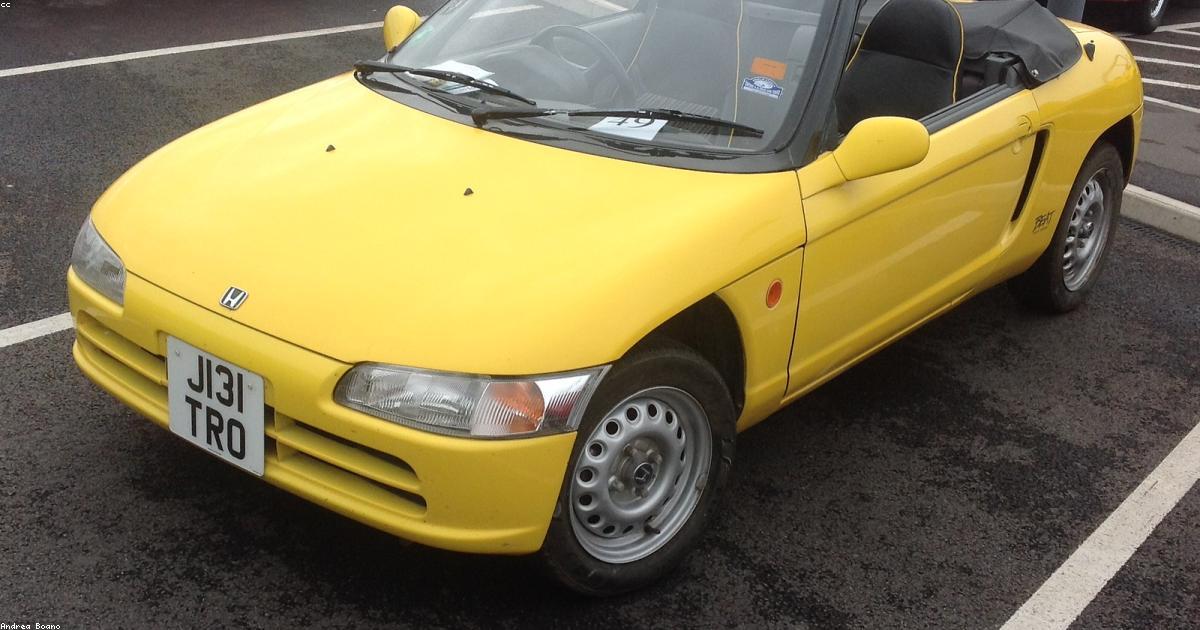
The Honda Beat stands as one of the most technically sophisticated kei sports cars ever produced. Launched in May 1991 with the model code PP1, this mid-engine roadster represented Honda's commitment to creating an affordable, pure driving experience inspired by classic roadsters.
Beat Specifications and Performance
- Engine: 656cc liquid-cooled four-cylinder SOHC naturally-aspirated
- Power Output: 64 PS (63 horsepower) at 8,100 RPM
- Torque: 64 Nm (47 lb-ft) at 7,000 RPM
- Transmission: 5-speed manual (only option available)
- 0-60 mph: Approximately 10.2 seconds
- Top Speed: 180 km/h (112 mph)
- Weight: 830 kg (1,829 lbs)
- Dimensions: 3,395mm (L) × 1,475mm (W) × 1,225mm (H)
What makes the Honda Beat extraordinary isn't raw power—it's the mid-mounted engine's perfect weight distribution. Positioned behind the driver's seat, the beat's compact V-Tec equipped engine delivers immediate response and engaging handling that exceeds expectations for a 660cc platform. The mid-engine architecture provides 50/50 weight distribution, creating predictable, playful handling characteristics that reward smooth inputs and precision driving.
Beat Market Value and Availability
Honda Beat prices have appreciated dramatically since their original release price of ¥1,895,000 (approximately $17,000 USD at 1991 exchange rates). Today, well-maintained Beat examples command premium prices in the Japanese domestic market and international auction houses. Prices range from $15,000 USD for higher-mileage examples (80,000+ km) to $35,000+ USD for pristine low-mileage models with documentation of careful maintenance history.
Limited production numbers contribute to the Beat's collectibility. Honda manufactured approximately 13,000 Beats across its five-year production run (1991-1996), with only 3,443 examples built in the final year. Finding a Beat in excellent condition requires patience and typically involves working with specialized Japanese car importers who maintain relationships with local dealers and private collectors.
Suzuki Cappuccino: The Turbocharged Alternative (1991-1998)
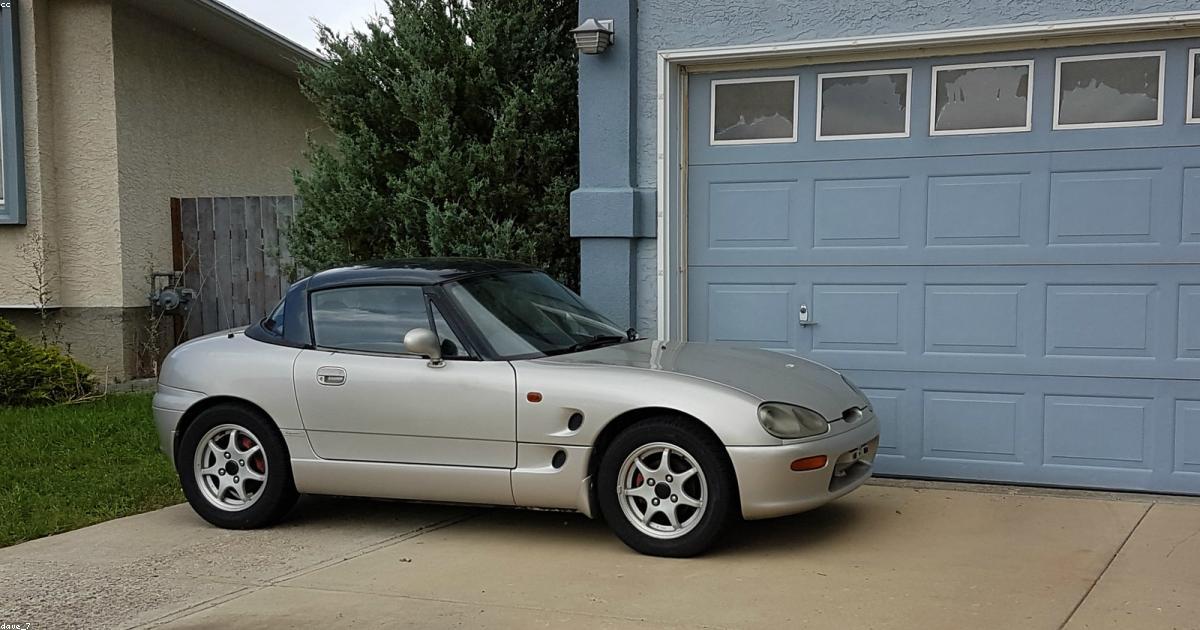
Where Honda chose naturally-aspirated elegance, Suzuki pursued turbocharged excitement with the Cappuccino. Debuting just weeks after the Beat in September 1991, the Cappuccino (model code HE21S) offered drivers an accessible turbo roadster experience with genuine performance credentials that rivaled much larger competitors.
Cappuccino Specifications and Performance
- Engine: 657cc liquid-cooled three-cylinder turbocharged
- Power Output: 63 PS (62 horsepower) standard / 70 PS (69 hp) optional turbo boost version
- Torque: 85 Nm (63 lb-ft) standard / 100 Nm (74 lb-ft) turbo boost version
- Transmission: 5-speed manual
- 0-60 mph: 9.3 seconds (turbo boost model)
- Top Speed: 185 km/h (115 mph)
- Weight: 825 kg (1,818 lbs)
- Turbo Boost Duration: Approximately 7 seconds of elevated boost pressure
The Cappuccino's three-cylinder turbocharged engine delivered personality that the Beat couldn't match. The turbo spooled instantly at 2,500 RPM, creating an addictive surge of acceleration that made even casual drives memorable. Suzuki's clever turbo boost system allowed drivers to temporarily increase boost pressure, delivering a thrilling 7-second kick that transformed the driving experience. This wasn't turbocharged excess—it was calculated fun engineered for affordable accessibility.
Cappuccino Driving Character and Collectibility
Suzuki marketed the Cappuccino as the "Pure Concept Car" designed for joyful driving experiences. The steering was direct and communicative, the suspension was firm yet compliant, and the driving position placed occupants low in the chassis, creating the sensation of sitting in a proper sports car despite the humble displacement figures. Approximately 19,500 Cappuccinos were manufactured between 1991 and 1998, giving it slightly better production numbers than the Beat while maintaining exclusivity.
Current market values for clean Cappuccino examples range from $12,000 USD for models with higher mileage or cosmetic imperfections to $28,000+ USD for exceptional low-mileage examples. The Cappuccino's turbo engine and three-cylinder character make it instantly recognizable among jdm hobby enthusiasts, though maintenance considerations for aged turbocharged systems can impact pricing.
Autozam AZ-1: The Quirky Masterpiece (1992-1995)
If the Honda Beat represented technical sophistication and the Suzuki Cappuccino embodied turbocharged excitement, the Autozam AZ-1 was pure Japanese automotive imagination unleashed. Debuting in October 1992, this mid-engine, gull-wing roadster was designed by Suzuki but badged as an Autozam, a short-lived domestic brand operated by Mazda as an affordable youth-oriented marque.
AZ-1 Design and Specifications
- Engine: 657cc liquid-cooled three-cylinder turbocharged
- Power Output: 64 PS (63 horsepower)
- Torque: 84 Nm (62 lb-ft)
- Transmission: 5-speed manual
- 0-60 mph: 9.8 seconds
- Top Speed: 180 km/h (112 mph)
- Weight: 840 kg (1,852 lbs)
- Notable Feature: Upward-opening gull-wing doors
- Dimensions: 3,295mm (L) × 1,395mm (W) × 1,250mm (H)
The AZ-1's gull-wing doors immediately captured imaginations and established its iconic status. These weren't merely theatrical—they provided genuine practicality in tight parking spaces while delivering genuine joy every time you entered the vehicle. The mid-mounted Suzuki three-cylinder turbocharged engine delivered performance nearly identical to the Cappuccino, but the AZ-1's slightly shorter wheelbase and reduced width created even sharper handling characteristics.
AZ-1 Rarity and Investment Potential
Production constraints limited the AZ-1 to just 8,792 examples across its brief 1992-1995 production run, making it the rarest of the three kei sports car legends. Autozam's brand discontinuation in 1995 added historical significance—the AZ-1 represents a moment when Mazda dared to create something genuinely unconventional for the youth market. Only models produced in 1993-1994 received the optional turbo boost system matching the Cappuccino's thrilling temporary boost feature.
AZ-1 values have appreciated most aggressively among the three models. Examples in good condition now command $18,000-$32,000 USD, with exceptional low-mileage examples approaching $40,000 USD. The gull-wing door mechanism remains perfectly functional on well-maintained examples, and parts availability through Suzuki dealers supports long-term ownership prospects. For serious jdm vehicles collectors, the AZ-1 represents peak quirkiness—a vehicle that couldn't be manufactured today due to modern safety regulations, making it a genuine period piece of 1990s Japanese automotive creativity.
Comparison: Beat vs Cappuccino vs AZ-1
Choosing between these three kei sports cars requires understanding your priorities and driving preferences. The Honda Beat offers the most sophisticated chassis with its mid-engine layout, producing the most predictable and satisfying handling characteristics. It's the "pure driver's car" among the trio, rewarding smooth technique and precision inputs. Beat ownership appeals to purists who value engineering excellence and want a vehicle that celebrates the relationship between driver and road.
The Suzuki Cappuccino delivers the most accessible performance through turbocharging, making it the most immediately rewarding for casual driving. The turbo spooling and boost system create genuine excitement and character that daily drivers appreciate. For nissan micra jdm alternative seekers or those wanting spirited fun without mid-engine complexity, the Cappuccino represents excellent value. Maintenance is straightforward, and the conventional front-engine layout provides more practical storage and accessibility.
The Autozam AZ-1 splits the difference—mid-engine handling similar to the Beat combined with turbocharged performance matching the Cappuccino. However, the AZ-1's primary appeal is its uniqueness. Those gull-wing doors and compact dimensions create an immediate visual statement. For collectors prioritizing rarity and visual distinctiveness within the jdm hobby, the AZ-1 stands alone. Its brief production run and brand discontinuation ensure that owning one connects you to a specific moment in automotive history that can never be replicated.
Buying Guide: What to Look For
Engine and Mechanical Condition
For Beat examples, verify that the mid-mounted V-Tec engine runs smoothly without excessive valve train noise. The Beat's SOHC engine should idle quietly and respond immediately to throttle inputs. Check for any evidence of oil leaks around the engine bay—mid-mounted engines can sometimes conceal problems until they become serious.
Cappuccino and AZ-1 turbocharged engines require careful evaluation. Listen for turbo whistle and spooling sounds during test drives. Any hesitation in turbo response suggests potential internal wear. Check turbo oil lines for seepage and verify that the boost system activates smoothly. Original turbo units with unknown service history may require rebuilding ($2,500-$4,000 USD), so factor this into purchase pricing.
Interior and Electrical Systems
These vehicles are now 30+ years old, so electrical gremlins are common. Test all windows, seats, climate control, and lighting systems thoroughly. Air conditioning compressors often require servicing on vehicles of this age, representing another potential $1,500-$2,500 USD expense. Examine dashboard condition carefully—UV damage and cracking affect value and cannot be easily repaired.
For Cappuccino and AZ-1 models, verify the turbo boost system functions properly. This involves checking electrical connectors, solenoids, and the boost timer mechanism. A non-functioning boost system can be restored, but finding technicians familiar with 1990s Suzuki turbo systems requires advance planning.
Gull-Wing Door Mechanism (AZ-1 Specific)
The AZ-1's gull-wing doors are its signature feature and potential problem area. Open and close the doors multiple times during inspection. The mechanism should move smoothly without binding, grinding, or hesitation. Listen for any unusual sounds indicating worn hinges or actuator issues. If door operation feels rough or uncertain, budget $3,000-$5,000 USD for professional restoration of the mechanism by specialists familiar with the system.
Service History and Documentation
Japanese service records add significant value to kei sports cars. Original maintenance books, dealer service stamps, and comprehensive repair documentation demonstrate that previous owners properly maintained their vehicles. These documents typically add 15-20% to market values because they reduce uncertainty about engine internal condition and turbo service intervals. Request Japanese inspection documentation (shaken) records that verify emissions compliance and mechanical soundness at the time of testing.
Experience These JDM Legends in Person
Before you buy, why not drive your dream JDM car through the streets of Tokyo? Samurai Car Japan offers exclusive JDM Night Tours where you can get behind the wheel of R34 GT-Rs, RX-7s, Supras, and more.
See these cars up close, feel their power, and make an informed buying decision. Many of our tour guests end up purchasing their dream JDM car after experiencing it firsthand!
Frequently Asked Questions About Kei Sports Cars
Can I legally import a Honda Beat, Suzuki Cappuccino, or Autozam AZ-1 to the United States?
Yes, but with timing restrictions. The 25-year rule established by the EPA and NHTSA allows importation of vehicles that are 25 years or older without requiring domestic market equivalents. All Honda Beats (1991-1996), Suzuki Cappuccinos (1991-1998), and Autozam AZ-1 models (1992-1995) now qualify for legal importation. However, left-hand-drive conversions or right-hand-drive operation requires verification of state regulations—some states permit right-hand-drive operation for pleasure use while others have restrictions. Consult with your state's DMV before importing.
How much should I budget annually for maintenance and insurance?
Routine maintenance including oil changes, fluid top-ups, and filter replacements typically costs $800-$1,200 USD annually. Because these vehicles are now 30+ years old, budget additional funds for potential component failures—rusted fuel lines, worn suspension components, or electrical system repairs can add $2,000-$5,000 USD to annual ownership costs depending on vehicle condition. Insurance for imported kei sports cars ranges from $600-$1,500 USD annually through specialty insurers familiar with jdm vehicles. Some insurers classify them as collector vehicles rather than regular vehicles, sometimes reducing premiums substantially.
Which model offers the best investment potential: Beat, Cappuccino, or AZ-1?
The Autozam AZ-1 has demonstrated the strongest appreciation due to its rarity (8,792 produced) and unique gull-wing door design. Values have increased 15-20% annually over the past five years, outpacing the Beat and Cappuccino. However, the Beat offers more stable, predictable pricing and easier resale due to higher production numbers (13,000+ units) and recognition among enthusiasts worldwide. The Cappuccino offers the best balance of accessibility, performance, and value appreciation. All three represent appreciating assets compared to average vehicles, but the AZ-1's scarcity makes it the most speculative investment.
What fuel octane should I use in these kei sports cars?
The naturally-aspirated Honda Beat operates happily on regular 87-octane fuel but responds better to premium 91-octane fuel, delivering slightly improved throttle response and smoothness. The Suzuki Cappuccino and Autozam AZ-1 turbo engines require minimum 89-octane fuel, with premium 91-octane fuel recommended for optimal turbo performance and to prevent knock sensors from reducing boost pressure. Using lower octane fuel can trigger the engine control unit to retard ignition timing, noticeably reducing the enthusiastic boost characteristics that make these cars enjoyable.