When collectors and enthusiasts talk about the best JDM cars ever produced, two Honda icons consistently dominate the conversation: the NSX Type R and the S2000. These aren't just vehicles; they're automotive masterpieces that defined an era of Japanese engineering excellence. Whether you're hunting for your next garage addition or simply fascinated by JDM sports cars, understanding what makes these machines legendary is essential. This comprehensive guide explores the specifications, market values, driving dynamics, and investment potential of Honda's most celebrated performance vehicles.
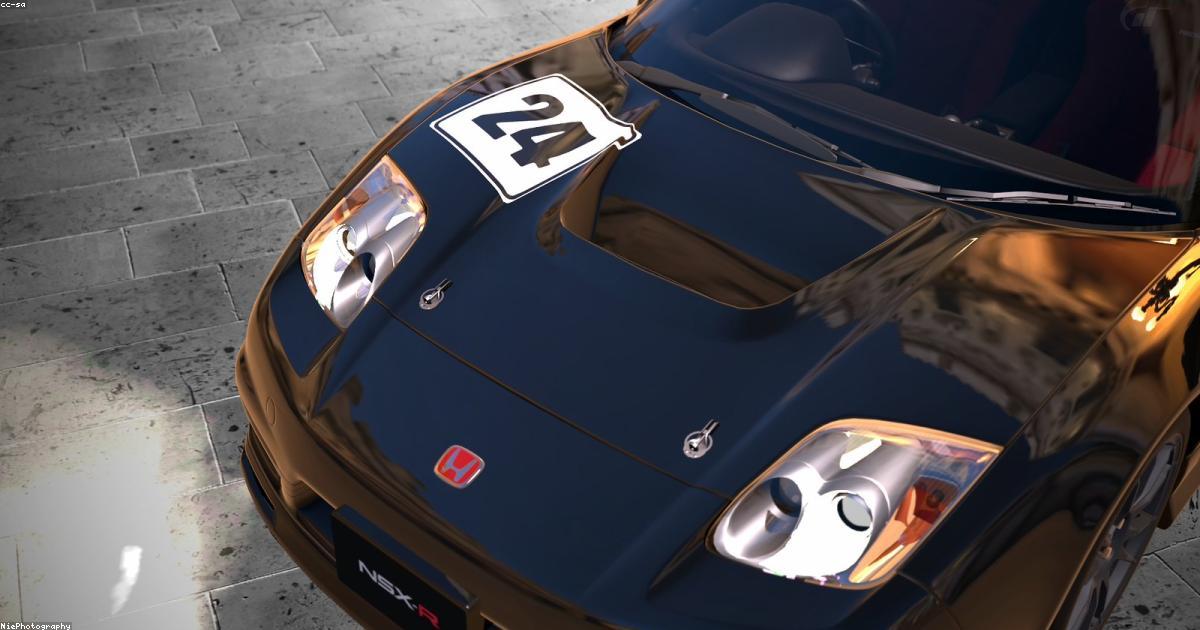
The Honda NSX Type R: Japan's Supercar Revolution
The Honda NSX (New Sportscar eXperimental) launched in 1990 as a revolutionary Japanese domestic market achievement. The NSX Type R, introduced in 1992, represented Honda's answer to Ferrari—a mid-engine, lightweight sports car that proved Japanese manufacturers could compete with European supercars on every metric. The NA1 generation Type R (1992-1996) became the holy grail for JDM enthusiasts, combining cutting-edge technology with accessible performance.
NSX Type R Specifications & Performance
The NSX Type R featured a 3.0-liter V6 engine producing 280 horsepower and 214 lb-ft of torque in its final iteration. Honda's engineers achieved a remarkable 276-pound weight reduction compared to the standard NSX, bringing the curb weight down to just 1,230 kg (2,710 lbs). The Type R accelerated from 0-100 km/h in 5.2 seconds with a top speed of 275 km/h (171 mph)—impressive figures for the early 1990s.
- Engine: 3.0L naturally aspirated V6 (C30A)
- Power Output: 280 hp @ 7,100 RPM
- Torque: 214 lb-ft @ 5,400 RPM
- Transmission: 5-speed manual only
- 0-60 mph: 5.2 seconds
- Top Speed: 171 mph
- Curb Weight: 2,710 lbs (1,230 kg)
- Layout: Mid-engine, rear-wheel drive
NSX Type R Market Values & Investment Potential
The NSX Type R commands premium prices in today's JDM market. Original NA1 Type Rs from 1992-1996 typically range from $80,000 to $180,000 USD depending on mileage, condition, and service history. Exceptional examples with under 20,000 kilometers have reached $220,000+. The NA2 generation (1997-2005) offers relative value at $50,000-$100,000. As one of the best JDM cars for investment, NSX Type R values have appreciated steadily, with certain years and colors commanding collector premiums.
Low-mileage NSX Type Rs represent some of the most stable long-term investments in the JDM market. Unlike deprecating sports cars, quality examples maintain value and often appreciate. Export prices from Japan typically range from ¥7,000,000 to ¥15,000,000 (approximately $48,000-$103,000 USD) for well-maintained specimens with full documentation.
What Makes the NSX Type R Special
- Aluminum Construction: Extensive use of aluminum body panels and chassis components minimized weight while maximizing rigidity
- Advanced Suspension: Double-wishbone independent suspension with active dampers provided superb handling characteristics
- Titanium Internals: Engine internals featured titanium components for reliability and light weight
- Precision Engineering: Built during Honda's peak period of motorsports dominance, every component was optimized for performance
- Exclusivity: Only 3,124 NSX Type Rs were produced globally, with approximately 2,100 sold in Japan
The Honda S2000: The Spiritual Successor to JDM Excellence
Launched in 1999 to celebrate Honda's 50th anniversary, the S2000 continued the brand's commitment to Japanese JDM cars that deliver driver engagement above all else. While the NSX was Honda's supercar statement, the S2000 was its pure-bred sports car—a lightweight, front-engine roadster that proved you didn't need excessive horsepower to create automotive magic. The AP1 generation (1999-2003) and AP2 (2004-2009) became instant classics, with devoted enthusiasts appreciating their high-revving engines and balanced dynamics.
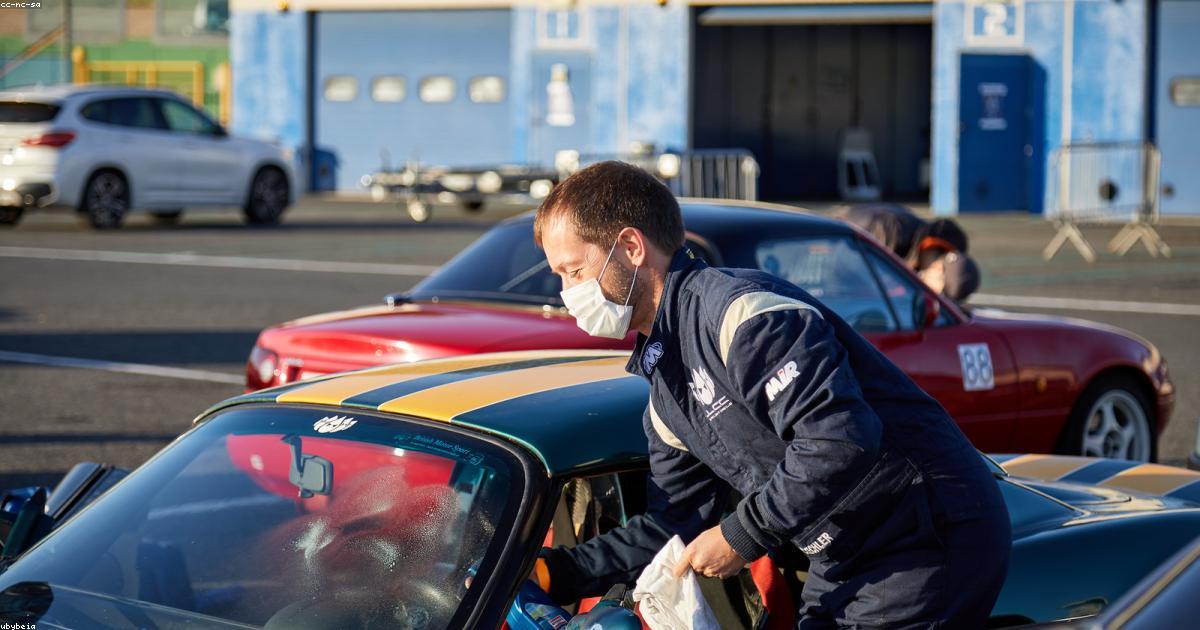
S2000 Engine Technology & Specifications
The S2000's 2.0-liter F20C engine became legendary for its combination of compact displacement and incredible output. The AP1's naturally aspirated engine produced 250 horsepower and 162 lb-ft of torque while revving to an astounding 9,000 RPM. The later AP2 (2004-2009) received the F22C1 engine with increased displacement (2.2L) yielding 237 horsepower—a seemingly counterintuitive reduction that actually reflected more accessible power delivery and torque.
- AP1 Engine (1999-2003): 2.0L F20C producing 250 hp @ 8,300 RPM
- AP1 Torque: 162 lb-ft @ 7,500 RPM
- AP2 Engine (2004-2009): 2.2L F22C1 producing 237 hp @ 7,800 RPM
- AP2 Torque: 162 lb-ft @ 6,500 RPM
- Transmission: 6-speed manual (both generations)
- 0-60 mph: 6.1 seconds (AP1), 6.0 seconds (AP2)
- Top Speed: 150 mph (electronically limited)
- Curb Weight: 2,822 lbs (1,280 kg) AP1
S2000 Market Prices & Collector Appeal
The S2000 represents exceptional value among JDM sports cars compared to its NSX cousin. Prices for AP1 models (1999-2003) range from $25,000 to $60,000 USD depending on mileage and condition. Low-mileage examples with documented service history command premiums, with exceptional AP1s reaching $75,000+. AP2 models (2004-2009) typically cost $20,000 to $40,000 USD. In the Japanese domestic market, export prices average ¥2,500,000 to ¥4,500,000 ($17,000-$31,000 USD) for clean AP1s with under 100,000 kilometers.
What distinguishes the S2000's investment potential is its accessibility combined with appreciating values. Unlike some JDM cars that peaked and depreciated, quality S2000s have gained traction among collectors. The roadster's simplicity—no turbo, no hybrid complexity, just pure mechanical engagement—appeals to purists and drives collector demand upward annually.
The S2000's Engineering Philosophy
- High-Revving Joy: The naturally aspirated F20C/F22C engines featured Honda's variable valve timing (VTEC) technology, delivering thrilling revving experiences and linear power delivery
- Lightweight Roadster Design: At under 1,280 kg, the S2000 achieved superb power-to-weight ratios exceptional for road cars
- Balanced Chassis: 50/50 weight distribution with independent double-wishbone suspension created responsive handling dynamics
- Manual Transmission Only: Honda's commitment to driver engagement meant no automatic options; the 6-speed manual became synonymous with S2000 ownership
- Driver-Centric Design: Simple cockpit, mechanical controls, and communicative steering celebrated the driving experience above luxury appointments
NSX Type R vs. S2000: Comparing Honda's Legends
Choosing between NSX Type R and S2000 depends on your priorities and budget. The NSX Type R represents ultimate aspiration—a mid-engine supercar that competes with international exotics. Its exclusivity, mid-engine handling balance, and V6 character make it a collector's trophy. The S2000, conversely, offers attainability without compromising driver engagement. Its open-air roadster experience, accessible price point, and burgeoning collector status make it increasingly attractive for enthusiasts.
- Performance: NSX Type R edges ahead with mid-engine balance and higher absolute power, but S2000's light weight provides comparable real-world thrills
- Price Entry: S2000 costs 60-70% less, making it accessible to more enthusiasts
- Practicality: S2000 offers roadster versatility; NSX Type R provides coupe security
- Maintenance: S2000's simpler engineering requires less specialized maintenance and lower parts costs
- Investment: NSX Type R appreciates faster; S2000 offers steadier gains at lower entry cost
- Community: S2000 boasts larger owner community with abundant aftermarket support; NSX requires specialist knowledge
Buying Your Dream Honda: What to Check
NSX Type R Inspection Checklist
Finding the perfect NSX Type R requires patience and mechanical knowledge. Given their age (now 25-30+ years old) and performance history, thorough pre-purchase inspections are essential. Look for complete service records documenting regular maintenance intervals. NSX Type Rs with documented professional servicing, garage storage, and minimal track use command significant premiums over neglected examples.
- Engine Condition: Listen for valve train noise or ticking; request compression tests; verify VTEC engagement smoothness
- Transmission: Manual gearbox should shift crisply; grinding or difficulty engaging reverse indicates internal wear
- Suspension Wear: Check for active damper functionality and suspension bushing degradation
- Aluminum Corrosion: Inspect aluminum body panels and frame for corrosion; this can be invisible but structurally significant
- Electrical Systems: Complex electronics can be problematic; verify all gauge cluster functions and climate control
- Paint Condition: Original Imola Orange or Formula Red examples command premiums; check for repainting
- Interior Trim: Inspect steering wheel, seat bolsters, and dashboard padding for age-related deterioration
S2000 Inspection Essentials
S2000 buying is more straightforward given their simpler engineering, but specific issues plague certain model years. Known issues include potential engine bearing wear in some AP1 examples, rear differential whine, and soft top durability concerns. Request full service records; S2000s with documented oil changes every 3,000 miles provide confidence in engine longevity.
- Engine Oil Condition: Change oil immediately after purchase; check magnetic drain plug for metal particles indicating bearing wear
- Transmission Synchros: Rev-matched downshifts should feel smooth; grinding indicates synchro wear from enthusiastic driving
- Soft Top Mechanism: Verify hydraulic operation; torn fabric requires professional replacement ($2,000-$3,500)
- Suspension Bushings: Older examples show significant bushing decay; this affects handling and creates road noise
- Rust Spots: Examine under bonnet and trunk for rust in seams; S2000s exposed to salt conditions develop corrosion
- Service History: Maintenance records document tuning and care; missing records suggest neglect
- Modifications: Research any aftermarket modifications; factory-original examples retain superior value
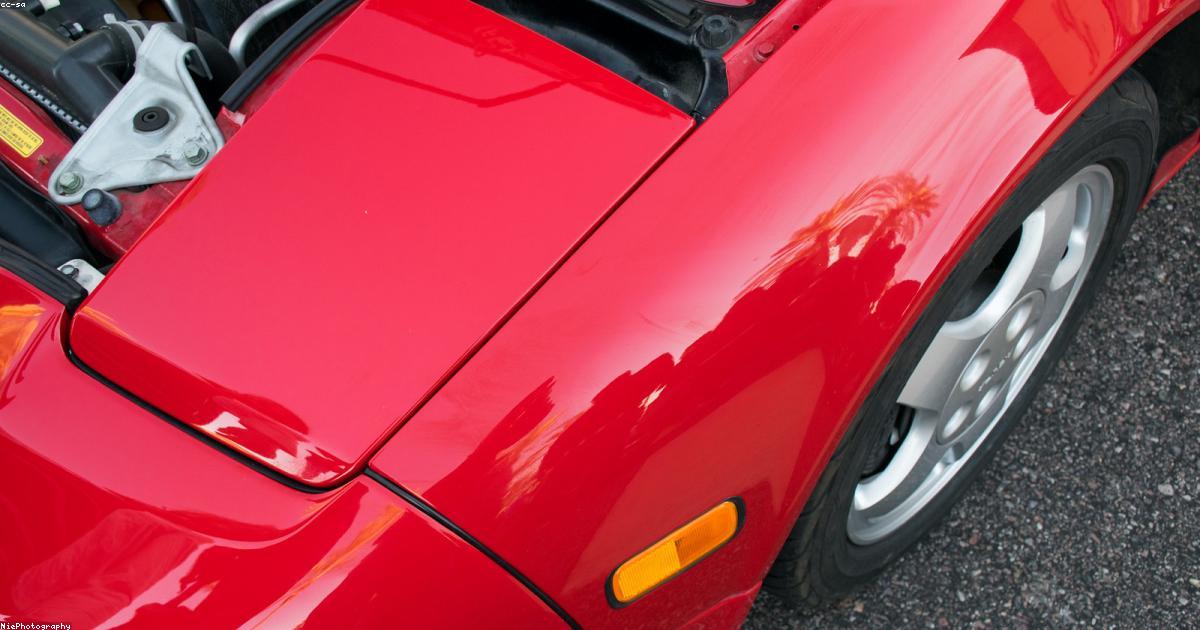
Importing Your Honda NSX or S2000 to the USA
Many enthusiasts import NSX Type Rs and S2000s from Japan due to availability and pricing advantages. The 25-year rule allows vehicles manufactured before 1999 to be imported without EPA or NHTSA compliance, making older NSX Type Rs ideal candidates. S2000 imports require newer examples (2004+) through formal importation channels, though some late AP1 models (1999-2003) may qualify under federal antique vehicle provisions in certain states.
Import costs typically include: auction purchase price (¥2.5-15 million depending on model), export fees (¥200,000-500,000), shipping costs ($1,500-$2,500), customs duties (2.5-3%), and compliance modifications if necessary. Working with specialized JDM importers ensures proper documentation, thorough pre-export inspections, and smooth customs clearance. The total imported cost often undercuts domestic purchasing by 20-40%, justifying the import process for serious collectors.
Maintenance & Ownership Costs
NSX Type R Ownership Expenses
NSX Type R ownership requires commitment and budget. While mechanically robust, age-related maintenance accumulates. Annual maintenance costs average $3,000-$6,000 including fluids, filters, and inspection. Major services (¥200,000-500,000 every 40,000 miles) address suspension components, brake fluid replacement, and transmission service. Specialized technicians command premium labor rates ($150-$250/hour), and OEM Honda parts remain expensive. Budget an additional $2,000-$4,000 annually for unforeseen repairs and replacements.
S2000 Ownership Costs
S2000 ownership proves more budget-friendly due to simpler engineering and abundant aftermarket support. Basic maintenance (oil changes, filters, fluids) costs $400-$800 annually. Tire replacements ($1,200-$1,800 for quality performance rubber) represent expected expenses. Brake fluid, coolant, and differential oil changes run $800-$1,200 total. General repairs average $1,500-$3,000 annually depending on mileage and condition. The active enthusiast community generates competitive pricing for parts, with both OEM Honda and quality aftermarket options available.
Why These Are Among the Best JDM Cars Ever Built
The NSX Type R and S2000 transcend typical "used car" status because they represent Honda's engineering philosophy at its absolute peak. Both vehicles prioritized mechanical engagement, driver feedback, and performance authenticity over cost-cutting or market trends. The NSX Type R proved Japanese manufacturers could build supercars rivaling Ferrari and Porsche. The S2000 demonstrated that attainable sports cars could deliver visceral driving experiences matching six-figure exotics.
These best JDM cars continue appreciating because collector demand grows while supplies diminish. Low-mileage, well-maintained examples have transitioned from used cars to investment vehicles. Their mechanical simplicity (no turbos, complex hybrids, or electronic nannies) appeals to purists increasingly frustrated with modern automotive complexity. For enthusiasts seeking authentic Japanese JDM cars that reward mechanical knowledge and driver skill, the NSX Type R and S2000 represent peak attainment.
Experience These JDM Legends in Person
Before you buy, why not drive your dream JDM car through the streets of Tokyo? Samurai Car Japan offers exclusive JDM Night Tours where you can get behind the wheel of R34 GT-Rs, RX-7s, Supras, and more.
See these cars up close, feel their power, and make an informed buying decision. Many of our tour guests end up purchasing their dream JDM car after experiencing it firsthand!
Frequently Asked Questions About Honda NSX Type R & S2000
What's the real-world difference driving an NSX Type R versus S2000?
The NSX Type R delivers supercar drama with its mid-engine layout providing neutral handling balance and exotic mechanical feel. The S2000 offers nimble, conversational front-engine dynamics with high-revving engine character that rewards precision. NSX Type R feels heavier and more composed; S2000 feels lighter and more eager. Both demand driver skill and deliver pure mechanical engagement, but NSX provides supercar theater while S2000 offers pure driving joy without pretense.
Are NSX Type Rs and S2000s reliable for daily driving?
The S2000 suits occasional daily driving better given its simpler systems and abundant parts availability. NSX Type Rs require specialist knowledge and can be temperamental with age. Both remain mechanically sound if properly maintained, but daily driving subjects aging components (bushings, seals, electronics) to stress. Most enthusiasts reserve these cars for weekend drives, track days, and special occasions rather than daily commutes, preserving their condition and investment value.