How do prices compare between genuine Datsun models and modern reproductions?
Original Datsun 240Z and 510 models command significant premiums over modern kit cars or reproductions. An authentic 1970 240Z might cost $60,000-$100,000, while a new 240Z-inspired kit car costs $40,000-$80,000 before customization. Collectors value genuine original cars for their historical significance, documented heritage, and authentic driving experience. Reproductions offer flexibility in customization but lack the investment potential and cultural cache of genuine examples.
Conclusion: The Enduring Legacy of Datsun JDM Icons
The Datsun 240Z JDM and Datsun 510 represent pivotal moments in automotive history when Japanese manufacturers proved they could compete with established marques on performance, value, and reliability. The 240Z showed that a Japanese sports car could rival European legends, while the 510 became the foundation for tuning culture that would eventually define---
The Datsun 240Z JDM and Datsun 510 represent more than just classic cars—they're the foundation upon which Japanese automotive excellence was built. When Nissan introduced these models to the world, they fundamentally changed how people perceived Japanese engineering and performance. Today, both the Datsun 510 JDM and 240Z command respect in collector circles, with prices ranging from $15,000 USD for project cars to over $150,000 USD for pristine examples. Whether you're a seasoned JDM enthusiast or exploring the roots of Japanese car culture, understanding these icons is essential to appreciating why they remain some of the most sought-after vehicles in the classic car market.
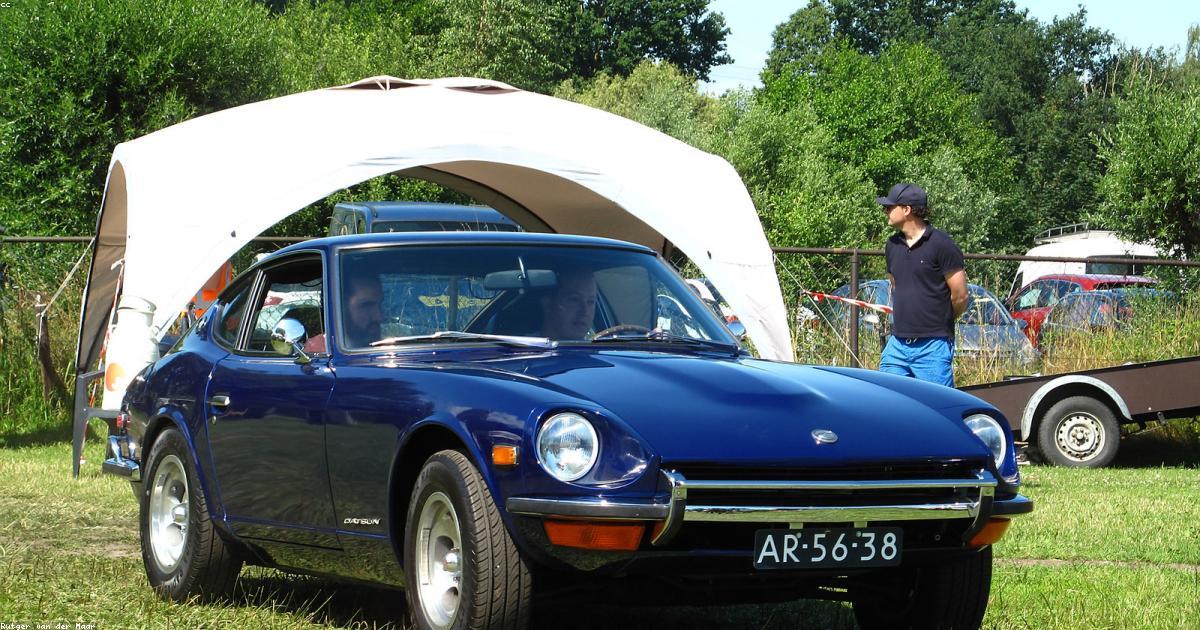
The Datsun 240Z: Japan's Answer to the Sports Car World
When the Datsun 240Z debuted in 1969, it shocked the automotive world. Priced at just $3,995 USD—less than half the cost of a Porsche 911—the 240Z offered genuine sports car performance wrapped in an affordable package. The Datsun 240Z JDM wasn't just a car; it was a revolution that proved Japanese manufacturers could compete with European and American sports cars on every level.
Performance Specifications and Engine Details
The original Datsun 240Z featured a 2.4-liter inline-six engine (L24 engine code) producing 151 horsepower and 146 lb-ft of torque in its initial 1969-1970 form. By 1971, Nissan bumped power to 160 horsepower, making it one of the most powerful naturally aspirated six-cylinder engines of its era. This engine paired with either a 4-speed manual or 3-speed automatic transmission, though true enthusiasts always preferred the manual.
- Engine displacement: 2,393cc (2.4L inline-six)
- Horsepower: 151-160 hp depending on year and market
- Torque: 146-159 lb-ft
- 0-60 mph: 8.0-8.3 seconds (excellent for 1969)
- Top speed: 125 mph
- Weight: 2,400 lbs
- Fuel economy: 18-22 mpg
Design and Build Quality
Designed by Yoshihiro Matsuo and produced by Nissan's Oppama Factory in Japan, the 240Z featured a long hood, short deck proportions that borrowed inspiration from the Jaguar E-Type. The lightweight steel chassis and fiberglass-reinforced body panels kept weight minimal. Interior appointments included leather seats, full instrumentation, and a surprisingly comfortable driving position that made the datsun jdm enthusiast vehicle equally suitable for daily driving or weekend spirited drives.
The Datsun 510: The Affordable JDM Sedan That Changed Everything
While the 240Z grabbed headlines as a sports car, the Datsun 510 JDM quietly became the most transformative vehicle in Japanese tuning culture. This humble sedan, produced from 1968-1974, became the foundation for countless drift, street racing, and tuner builds that would eventually define 80s JDM culture. Today, a clean Datsun 510 in good condition sells for $12,000-$35,000 USD, with fully restored examples commanding even higher premiums.
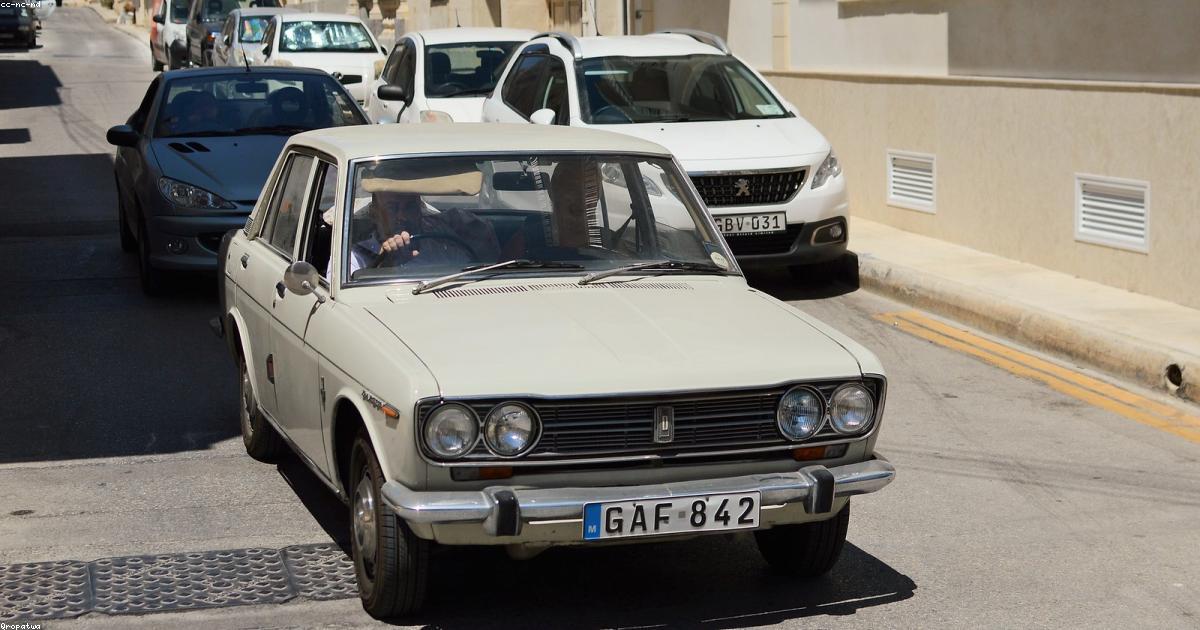
510 Engine Options and Performance
The Datsun 510 came with several engine options depending on market and year. The most common JDM variants included the L16 (1.6L) producing 96 horsepower and the L18 (1.8L) generating 115-125 horsepower. What made the 510 special wasn't raw power—it was its potential. The lightweight, compact design and responsive handling made it the perfect platform for modification.
- L16 engine: 1,595cc, 96 hp, 99 lb-ft torque
- L18 engine: 1,770cc, 115-125 hp, 107-118 lb-ft torque
- Curb weight: 2,100-2,300 lbs
- 0-60 mph: 10.5-12 seconds (stock L18)
- Chassis code: S10
- Production years: 1968-1974
Why the 510 Became a Tuning Legend
The Datsun 510's genius lay in its combination of simplicity and capability. The chassis was inherently well-balanced, the engine bay had plenty of room for upgrades, and the entire platform was so popular that the aftermarket quickly developed comprehensive modification options. By the 1980s and beyond, the 510 became synonymous with JDM street racing and drift culture, making it arguably the most important vehicle in establishing Japanese tuning as a serious automotive pursuit.
Historical Context: The 80s JDM Connection
Understanding 80s JDM culture requires recognizing how the 240Z and 510 paved the way for everything that came after. While these cars were produced in the late 1960s and early 1970s, they remained popular in the used market throughout the 1980s, when JDM tuning culture truly exploded. Modified Datsuns—particularly 510s—populated Tokyo's street racing scenes and became the training ground for drivers and mechanics who would later build the Skyline, Supra, and RX-7 dynasties.
Market Availability in Japan During the 1980s
In the 1980s, used Datsun 240Z models could be found throughout Japan for ¥800,000-¥2,500,000 ($4,000-$12,500 USD equivalent), while the more affordable 510 models ranged from ¥300,000-¥1,200,000 ($1,500-$6,000 USD equivalent). This accessibility meant thousands of young enthusiasts could modify and race Datsun-powered vehicles, creating an entire ecosystem of tuning shops, parts suppliers, and performance specialists that defined the era.
Original Datsun 240Z and 510 Pricing and Market Values
The collector car market has dramatically elevated the value of both Datsun 240Z JDM and 510 models. Understanding current pricing helps enthusiasts determine fair value whether buying, selling, or restoring.
Datsun 240Z Pricing Breakdown (2024)
- Project/Restoration cars: $15,000-$35,000 USD (high mileage, rust, non-original)
- Driver quality (1969-1973): $40,000-$75,000 USD (solid mechanics, minor cosmetic issues)
- Good condition cars: $75,000-$120,000 USD (well-maintained, original or quality restoration)
- Excellent/Show condition: $120,000-$200,000+ USD (pristine, documented history, award winners)
- Original 1969-1970 examples: Premium of 10-20% over later years
Datsun 510 Pricing Breakdown (2024)
- Project cars/parts cars: $5,000-$12,000 USD (significant restoration needed)
- Driver quality (1968-1970): $15,000-$30,000 USD (mechanically sound, cosmetic work required)
- Good condition cars: $30,000-$60,000 USD (well-restored or well-maintained originals)
- Excellent condition: $60,000-$100,000+ USD (museum-quality examples)
- Modified/drift cars: $25,000-$75,000 USD (depends heavily on build quality and parts used)
Key Differences Between 240Z and 510 Models
While both Datsun models emerged from the same manufacturer and era, they served entirely different market purposes, which explains their distinct characteristics and cultural legacies.
- Purpose: 240Z was a sports car; 510 was a practical sedan with performance potential
- Performance: 240Z offered immediate speed and handling; 510 required modification to excel
- Cultural significance: 240Z represented Japanese sports car legitimacy; 510 became the tuner's platform
- Target market: 240Z appealed to sports car buyers; 510 attracted value-conscious families and future enthusiasts
- Engine capacity: 240Z's 2.4L versus 510's 1.6-1.8L reflected their different intended uses
- Modern values: 240Z commands higher prices as a finished product; 510s vary wildly based on restoration and modification quality
Finding and Buying Original Datsun 240Z and 510 Models
Inspection Points for Used Datsun 240Z
- Rust inspection: Check floor pans, door sills, trunk floor, and rear quarter panels carefully—these are common rust areas
- Engine bay condition: Original L24 engines should show even wear; look for proper serial numbers and matching documentation
- Interior: Original seats and dashboard coverings may be faded but should be present; replacements significantly reduce value
- Documentation: Original title, factory records, and service history justify premium pricing
- Engine start and running: Listen for valve train noise; a rough idle may indicate wear that requires full rebuild ($2,000-$4,000)
- Transmission feel: Manual transmissions should shift cleanly; synchro wear is common in older examples
Inspection Points for Used Datsun 510
- Structural integrity: 510s are prone to rust in door jambs, hood inner panels, and rear window channels
- Engine condition: L16 and L18 engines are simple but listen for ticking (timing chain stretch) and check oil color
- Suspension bushings: Age-related degradation is common; budget $1,500-$2,500 for quality restoration
- Interior authenticity: Original vinyl or cloth seating adds value; complete restorations start at $8,000-$15,000
- Modification history: Understand what's been changed; some modifications add value, others detract
- Parts availability: For unmodified examples, an enormous aftermarket still supports the platform
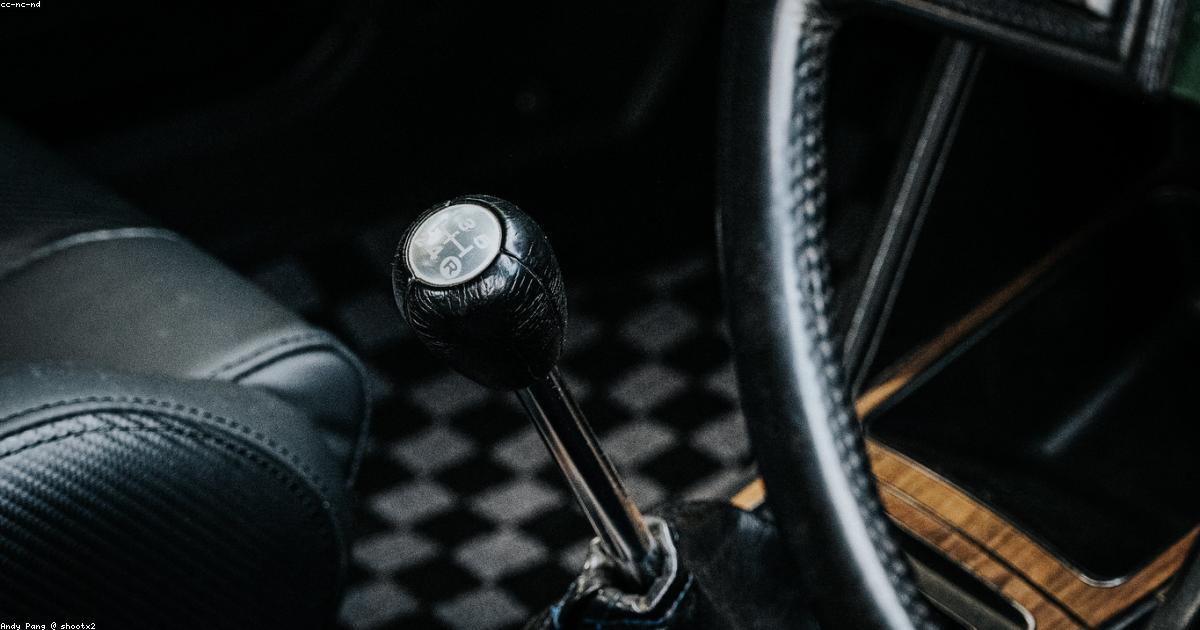
Restoration and Modification Considerations
Whether you purchase a project car or a driver-quality example, understanding restoration costs helps with realistic budgeting. A complete frame-off restoration of either model typically costs $25,000-$60,000 USD depending on labor rates and parts sourcing.
Common Restoration Expenses
- Full engine rebuild: $2,500-$5,000 (L24 or L18)
- Complete brake system overhaul: $1,500-$3,000
- Suspension restoration: $2,000-$4,500 (springs, bushings, shocks)
- Interior reupholstery: $3,000-$8,000 (quality vinyl or leather)
- Paint and body work: $4,000-$15,000 (depending on rust severity)
- Electrical system restoration: $1,500-$3,000
- Parts sourcing (new old stock): $1,000-$5,000+ (originality commands premiums)
Modern Performance Modifications
Many enthusiasts opt for selective modern upgrades while maintaining original aesthetics. Popular modifications for 80s JDM-era Datsun authenticity include period-correct Webers or upgraded fuel injection systems, modern suspension components with vintage-style wheels, upgraded brake systems, and modern wiring harnesses that improve reliability without changing the external appearance.
Experience These JDM Legends in Person
Before you buy, why not drive your dream JDM car through the streets of Tokyo? Samurai Car Japan offers exclusive JDM Night Tours where you can get behind the wheel of R34 GT-Rs, RX-7s, Supras, and more.
See these cars up close, feel their power, and make an informed buying decision. Many of our tour guests end up purchasing their dream JDM car after experiencing it firsthand!
Frequently Asked Questions About Datsun 240Z and 510 JDM Models
What's the difference between Datsun and Nissan branding on these vehicles?
"Datsun" was Nissan's brand name until 1983. All Datsun 240Z JDM models and 510s were manufactured by Nissan. In 1983, Nissan officially retired the Datsun badge outside Japan, though these early models are forever known by their Datsun nameplate. For collectors, the Datsun branding adds historical authenticity and value compared to later Nissan-badged versions.
Are original Datsun 240Z models reliable for regular driving?
With proper maintenance, a well-restored Datsun 240Z can be quite reliable. The L24 engine is inherently robust, though 50+ year-old electrical systems, seals, and gaskets require attention. Most owners modernize fuel systems, ignition components, and wiring for improved reliability while maintaining original appearance. Plan for occasional surprises with age-old components, and budget accordingly for preventative maintenance.
Should I buy a stock or modified Datsun 510?
This depends on your goals. Stock or minimally-modified Datsun 510 JDM examples appreciate better as collector cars and appeal to purists. Well-executed modifications honoring the car's tuning heritage can be satisfying to own and drive, but resale value becomes highly dependent on the quality and authenticity of modifications. Document everything if purchasing a modified example, and buy based on current condition rather than promised future value.
Where can I source parts for restoration?
The datsun jdm community is well-served by specialty suppliers. Z-Car specialty shops (since these 240Z models are often called "Z-Cars") provide NOS (new old stock) and reproduction parts. For 510 models, the tuning community has extensive reproduction options. Online marketplaces like eBay, specialized forums, and Japanese suppliers still stock parts. Japanese import wrecking yards occasionally have complete cars that yield hard-to-find components. Expect to pay 20-40% premiums for authentic NOS parts compared to reproductions.
What's the best way to export a Datsun 240Z or 510 from Japan?
Japan has specific regulations about exporting vehicles. Generally, cars at least 30 years old can be imported to the United States more easily than newer vehicles. Work with established exporters familiar with Datsun models and understaffed with documentation requirements for your destination country. Expect total export costs between $3,000-$8,000 USD including inspection, shipping, and documentation. Many international JDM specialists facilitate these exports and can guide first-time buyers through the process, including compliance with EPA and DOT regulations.
How do prices compare between genuine Datsun models and modern reproductions?
Original Datsun 240Z and 510 models command significant premiums over modern kit cars or reproductions. An authentic 1970 240Z might cost $60,000-$100,000, while a new 240Z-inspired kit car costs $40,000-$80,000 before customization. Collectors value genuine original cars for their historical significance, documented heritage, and authentic driving experience. Reproductions offer flexibility in customization but lack the investment potential and cultural cache of genuine examples.
Conclusion: The Enduring Legacy of Datsun JDM Icons
The Datsun 240Z JDM and Datsun 510 represent pivotal moments in automotive history when Japanese manufacturers proved they could compete with established marques on performance, value, and reliability. The 240Z showed that a Japanese sports car could rival European legends, while the 510 became the foundation for tuning culture that would eventually define